Fuel crisis? Maybe not

The rise in fuel prices is worrying for those of us who drive for the sake of driving, rather than just to get somewhere. Yet it pays to look at more than the headline figures, or that way madness lies.
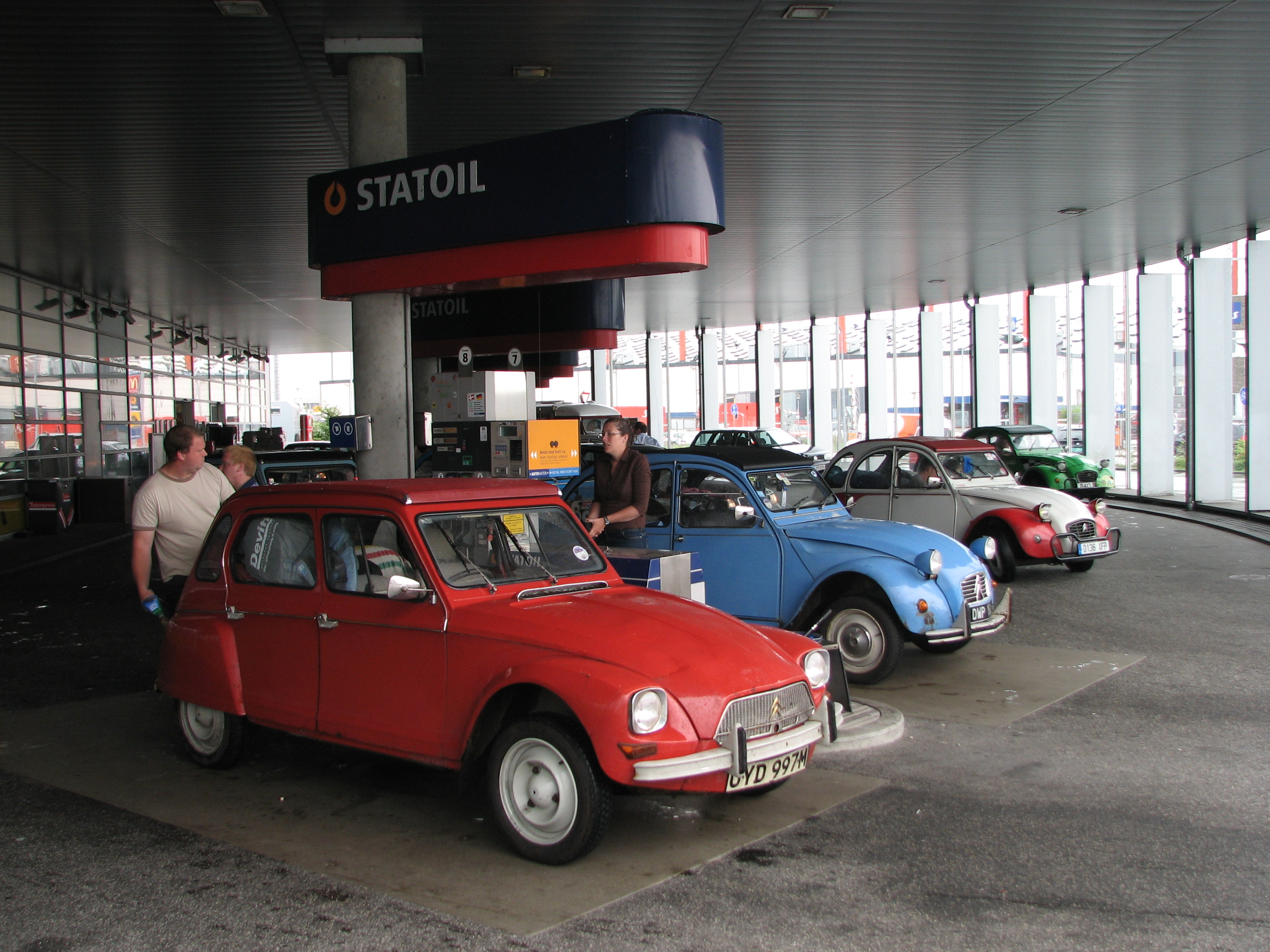
Filling up

Fuel prices are on everyone's mind at the moment

I still maintain that nothing is cheaper to run than a classic. Yes, you need to be able to tinker with it yourself to reap the maximum benefits and yes, you’ll find that you have to tinker with it more than a modern car – when a brand new car only needs servicing every 2 years and your trusty classic needs an oil change every 3000 miles, the advantage does seem reduced.

That said, good old fashioned mineral oil is still very cheap to buy – sometimes as little as £6 for 5 litres. That’s a cheap service, especially if you’ve upgraded the distributor to electronic and therefore don’t have to worry about the points and condenser anymore. You also get the buzz of doing the work yourself rather than be left reeling with a main dealer service bill.

Depreciation is the biggest cost with a new car, and if you don’t buy sensibly, your shiny new car can cost thousands per year, even if you don’t drive it! That’s why I always go for an older car. Let someone else pay the depreciation and then you’re only liable for servicing and running costs.

On the face of it, it may seem that selling the Land Rover proves what a hypocrite I am. Here I am saying don’t worry about fuel prices when I’ve sold my fearsomely thirsty V8 powered Landy just as fuel prices get as high as they’ve ever been. Not so. Anyone who knows me well knows that boredom is the biggest danger for any vehicle I buy. Is the Landy value for money? I don’t think so. That’s why it’s getting the heave-ho.

To entirely banish any thoughts of me trying to save fuel, I should point out that I’m selling my 54mpg Citroen BX diesel. Replacing both vehicles is a car that comes somewhere between the two – the Reliant Scimitar. This should achieve anywhere between 20 and 32mpg – I look forward to finding out which figure it ends up nearer. Sure, I’m somewhat daunted by the possibility of a £100+ fill-up thanks to the 77-litre fuel tank, but whatever the fuel prices do, I’m determined to keep enjoying 0lder cars. At the end of the day, higher fuel prices don’t scare me – the thought of the stuff running out really does though…

Pretty Hate Machine

What’s better than a screaming V12 engine? Um, how about FOUR screaming V12 engines, each of around 27 litres?

Lancaster at Goodwood 2008

A beautiful plane and what noise!

I took the above shot at the Goodwood Revival in 2008. Yes, the Vulcan that visited the following year was massively impressive. It’s hard to believe that so little time exists between Lancaster and Vulcan production (the first Lancaster flew in 1941, first Vulcan in 1952) – but you can’t describe the sound of a roaring jet engine as beautiful.

Certainly, the Lancaster sounds gentle and sonorous by comparison, despite 48 stubby exhaust pipes doing little to subdue the roar of the four Rolls-Royce engines. A number of Lancasters were actually built at the Austin factory in Birmingham. One can only hope that the handling was more acceptable than Austin’s cars of that era…

A Lancaster in flight is a truly moving sight, but I never forget the darker side of its existance. After all, the Lancaster is responsible for dropping over 600,000 tons of bombs during the Second World War. You wouldn’t want to be on the receiving end of that. This is why I’ll always experience some compassion for those who during the war, learned to dread the sight and sound of the mighty AVRO Lancaster. The terror is hard to conceive. It would be nice to think that the sight of such incredible machinery in flight today will somehow remind us that war really is something best avoided. Sorry for sounding like such a 2cv-driving hippy. Peace.

* Blog title neatly pinched from Nine Inch Nails

World War Two planes

Two cars to go

Cripes. In a somewhat unexpected turn of events, I appear to have sold two of my cars in an evening!

The Land Rover finished on eBay for £2325 – a little short of what I’d hoped, but pleasing nonetheless. The main thing is that it covers my costs for the Scimitar. The unexpected twist came when during a live show on XRP Radio (find them on Facebook) – a station that plays quality unsigned music – I sold my car to one of the DJs! He’s actually a mate of mine who’s carless and needs transport, so it’s a neat solution to two problems.

It feels a bit odd to sell the BX. She’s become a trusted and hugely practical member of the fleet, surviving for 18 months, which is a rare accomplishment for one of my cars. In 20,000 miles, we’ve been all around France, visited Belgium, Luxembourg, Switzerland, Monaco and Spain (all of that, from France to Spain in one epic trip!), driven through snowy Scotland, spent 12 hours on the 2 hour trip from Cardiff to home due to snow, tow-started a Bond Equipe on sheet ice (that was exciting!) as well as eating up a tree, cooker and washing machine when all needed moving.

This leaves me putting my faith in the entirely unproven Scimitar and the 2CV. I’m not fretting that much to be honest – the 2CV has had several spells where she’s actually been my only vehicle. Indeed when it came to driving to The Midlands to look at the Scimitar, it was the 2CV I chose. She’s certainly not afraid of mileage with 182,600 miles under her belt.

Hopefully, the fleet rearrangements will be completed it about a week’s time.


Civic reception

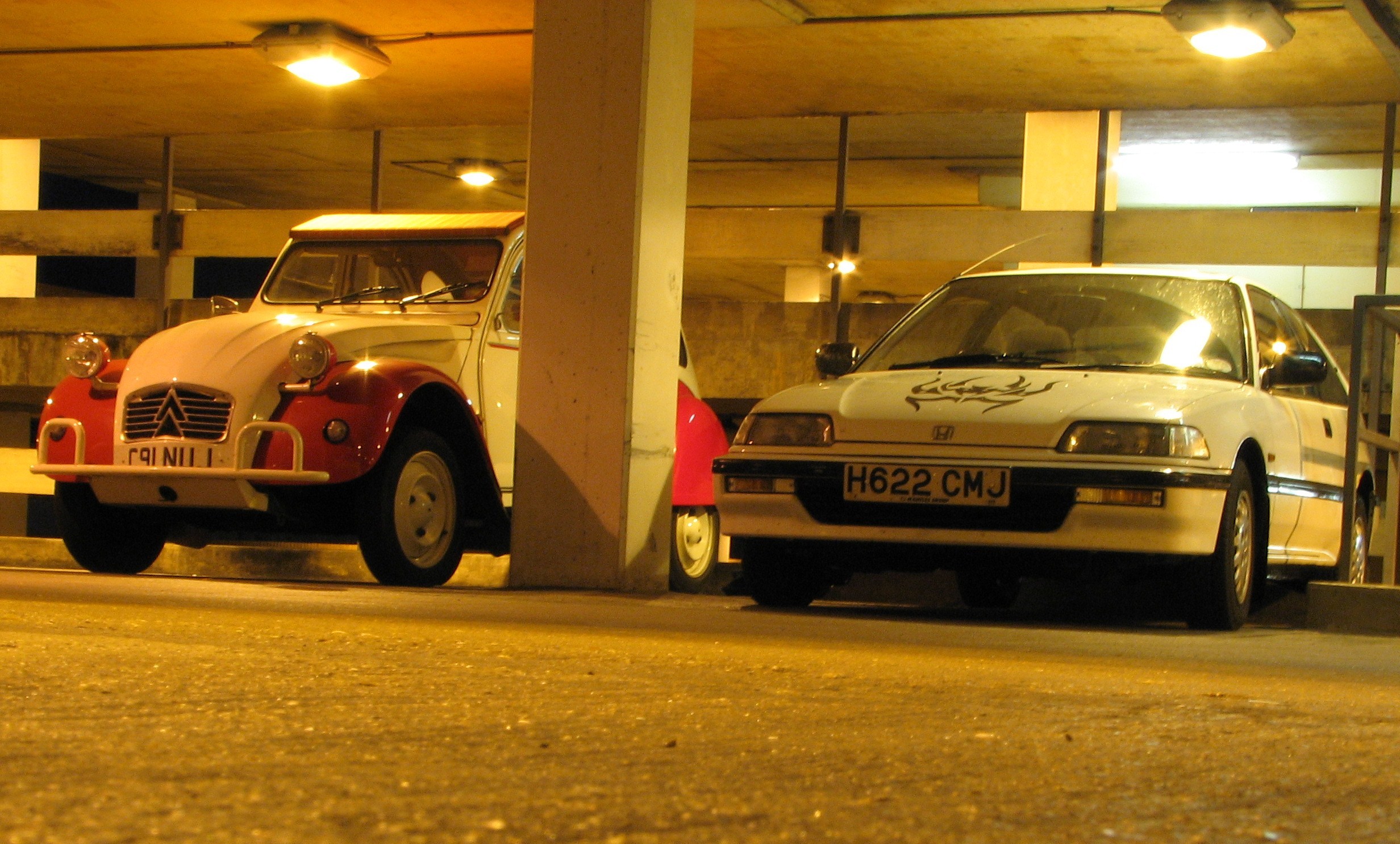
The brilliant thing about having my own blog is I can prattle on about all sorts of crap cars that magazine editors would tell me are ‘not suitable.’ A case in point is the 1991 Honda Civic I owned a few years ago. It was a 1.4GL and despite being built by the Japanese in the early 1990s, still had a manual choke and twin carburettors.

Honda Civic and 2cv friend

A much-loved Honda Civic (right) alongside a much-loved 2CV

Yet it was astonishing. For all the world, the engine felt like it was fuel injected. I loved it. In typical Honda fashion, it was a revvy little thing, not really waking up until 4000rpm. Insane fun yet I was also rewarded with 40+mpg. Now that’s my kind of car.

I bought it locally when we lived in Cambs, for all of £195. It needed new CV joints, as they clacked like a footballer’s rattle on sharp turns, and had rather serious rot in the left-hand rear wheelarch. I wasn’t going to complain at the price and I clocked up a good few thousand miles in it before flogging it while it still had MOT.

What I really liked about the Civic was that you could still feel the soul of Soichiro Honda in the very design of the thing. It was light, you sat low and the engine screamed like a starving baby. The bonnet was so low that you felt you could use it to stop a trailer rolling away on a hill – you wouldn’t sit on it because it seemed as low as the ground. Wonderful engineering shone out of every pore – from those achingly efficient carburettors to the fresh air vent on the driver’s side of the dashboard – rare to have a fresh air feed on such a modern design, but really rather good.

Naturally, the electric windows and sunroof worked perfectly and the only negative point about the driving experience was over-light, feel-less power steering. Once I fitted budget tyres, this lack of feel became quite an issue on wet roundabouts. It had all the directional stability of a shopping trolley full of bricks. Lesson learnt – don’t buy cheap rubber!

It all went a bit downhill from here for Honda. The Civic gained weight until it became the monstrosity that wears the badge today – relying on quirky looks rather than clever engineering, and a form-before-function mentality that poor Soichiro would never have been able to relate to.

PS – before you ask – yes, I did put the bonnet stripes on it. Me and my wife were the only people in the world (apart from the chav who bought it from me) who thought it looked cool. And don’t ask why I have a picture of it in a car park in Peterborough alongside my 2CV. I’m still struggling to recall exactly how I took two cars to work that day.

Buying with plastic

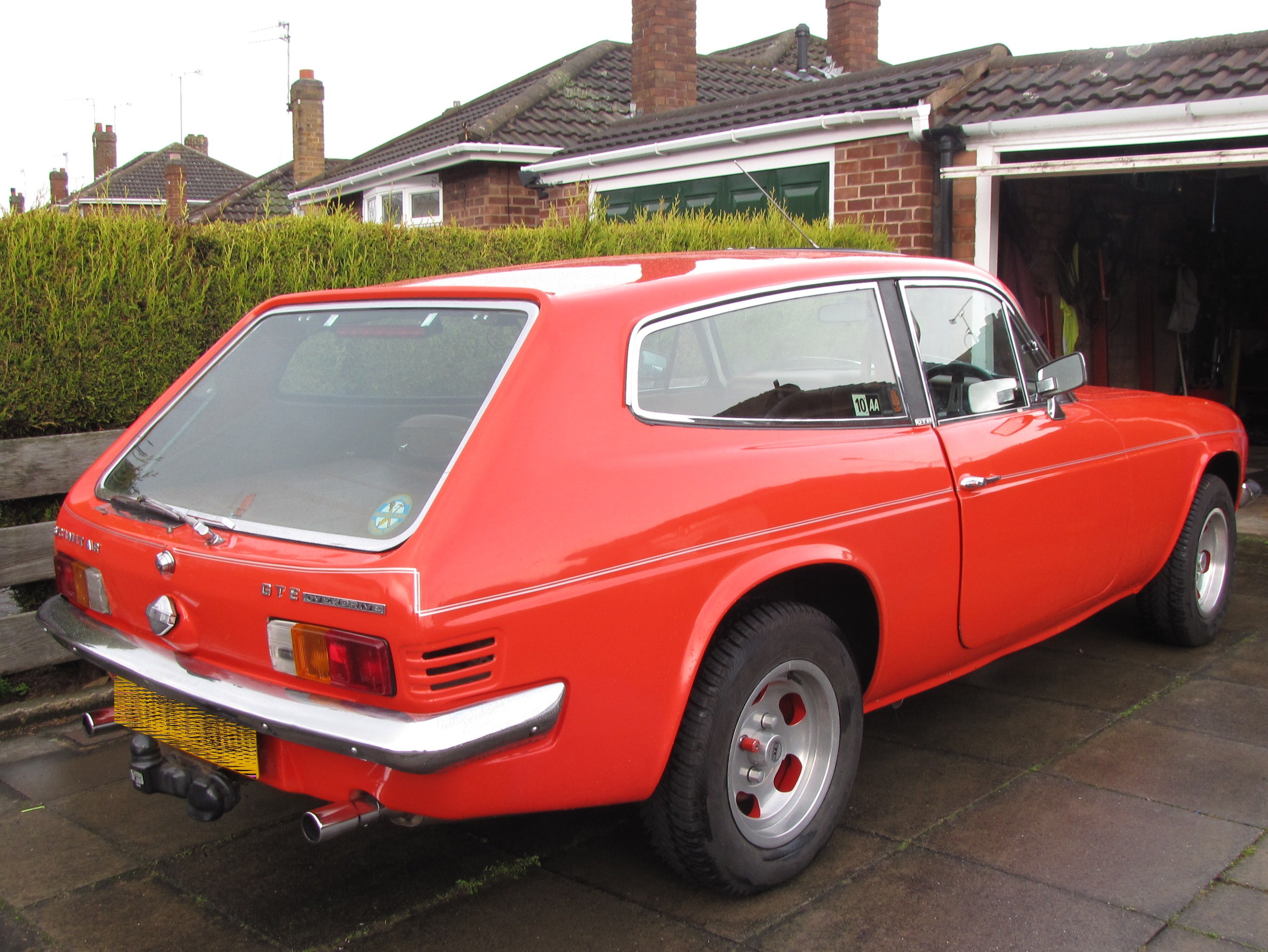
Oh gawd. I’ve gone and bought a new car, BEFORE the Land Rover has sold. Well, I’ve left a deposit anyway. The balance needs to wait for a certain Land Rover to finish on Ebay – which it’s close to doing.

Scimitar SE5a rear

Another new purchase, will this Reliant Scimitar GTE prove reliable?

The new car? A 1975 Reliant Scimitar GTE SE5a in a bright shade of red. It seems to be a good one and I’m waiting for it to have a fresh MOT before collection – which hopefully leaves enough time for the Land Rover to sell and for the new owner to hand me a load of cash.

I felt I had to move quickly on this Scimitar. The owner may have just been pushing me into a sale, but it sounded like others had spotted what a good buy it could be – it’s had an enthusiastic club owner for the past 14 years, and isn’t wanting for very much at all. Even better – everything seems to work as it should! That’s not always the case with Scimitars. As values are traditionally low, neglect is sadly very much something Scimitars become used to.

I will be paying very slightly more than I paid for the Land Rover – and the Scimitar feels like much better value for money. Don’t forget that the Land Rover may have covered half the miles (78k v 153k for the Reliant) but it has no service history with it, and is a touch scruffy in places. It should still do well though – scruffiness is after all a look that suits the Land Rover rather well!

Scimitars continue to offer excellent value though. With every parts bin raided, the beauty is that you can still get a huge amount of parts – the drivetrain is Ford, the brakes Rover, the front suspension Triumph TR. The bodywork is rust-free glassfibre while the steel chassis is fairly easily repaired should rust strike – as long as you get on top of it before it eats everything.

Are they cheap for a reason though? I guess I’m going to find out…

Land Rover – Bye 4×4

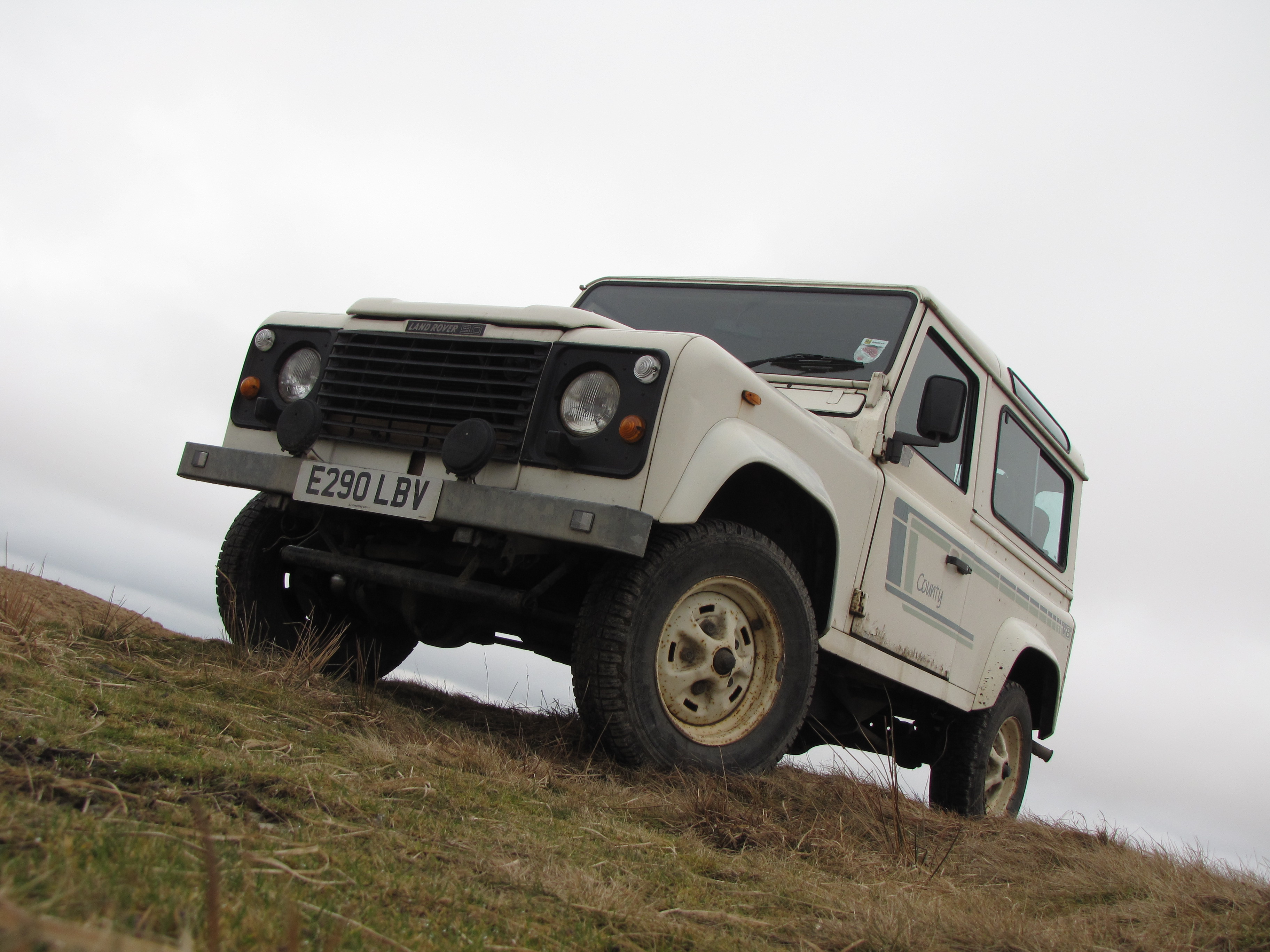
Landy for sale

It's been fun, but the Land Rover must go

Yes, my 1988 Land Rover 90 V8 County Station Wagon is for sale. Currently on Ebay and fast approaching the reserve price.

I’m glad I bought this Landy, but to be honest, I don’t have much reason to own it. On the road, it’s no great shakes – though clearly better than a Series Landy. Off-road, it’s brilliant, but despite managing two off-road trips in as many months, I don’t think I can keep that up with other stuff going on, which means that it’s an occasional-use toy. That’s not right for me – I like to own cars I’m always happy to jump into and drive pretty much anywhere in Europe.

So, she’s on Ebay and I’m trying to work out what on earth I end up with next…

Link >>> http://cgi.ebay.co.uk/ws/eBayISAPI.dll?ViewItem&item=270710424830

Mini caliper rebuild – Part 1

Austin-Rover Mini City E

Mini gets a brake overhaul. Citroen BX rear seat should be back in the car, rather than being a Mini hat...

It was going so well. Despite a hectic week with much writing work, I actually managed to find some time to work on the Mini’s brakes. They’d started binding really badly and before Christmas, I had the pads out and discovered seriously manky pistons (see below). Rebuild time.

Rimmer Brothers were able to supply the bits I needed and after finally getting my hands on the necessary tools (Ebay saved me a fortune) I could begin work. Being a bloke, I decided to find my own way, rather than lower myself to reading instructions. This was how I ended up removing the caliper BEFORE undoing the main driveshaft nut. That made removing the brake disc (I decided to replace everything) impossible. Fortunately, I managed to put the wheel back on, jam a ramp underneath and then undo the driveshaft nut without having to go through the rigmarole of lowering the car of its axle stands.

When putting the wheel on, I noticed that I’d managed to damage one of the wheel stud threads, so work has come to a stop while I await a new one. I did get as far as fitting new pistons and seals to the caliper on that side though, so progress has been made! Once I get the new stud, I can put it all back together again and do the other side…

Corroded Mini brake piston

No wonder the brakes were binding - and this is the better side!

Addicted to dreadful motoring

Yeah, I might as well admit it. I LOVE crap cars.

Skoda Estelle and  Rapid

Hmmm. A sight to make our ClassicHub journo go weak at the knees

I realised that I had a problem when a ten-year old me was reading a copy of Auto Express in 1988. I still have the copy now. In it is a budget car group test between the Citroën 2CV, Fiat Panda 750, Yugo 55 and Skoda Estelle. So far, I’ve owned two of the four and deeply want to own the Fiat and Yugo that I haven’t yet sampled.

In a way, I find it frustrating that the Citroën 2CV now has an established classic car following. I think I preferred it when everyone derided them. That was one reason I got into them in the first place. I’ve never paid much heed to the opinions of others – I always have to try things for myself.

And I have too. In fact, my first Skoda really was quite crap. The starter ring gear was worn, so I’d often have to bump start it. In fact, I had to do that having handed over my £150 to buy the thing. The ignition timing was so retarded that sparks would come out of the exhaust at motorway speeds. Exciting! As I wasn’t much of a mechanic at the time, and couldn’t afford to pay for the labour involved in replacing the ring gear, I scrapped it. I still wish I hadn’t. Not only because I only got £30 back for it. I will own another.

I realised that I still had a problem when someone on the Autoshite forum saved an FSO Polonez from being scrapped. Most people would ask “why” but I thought this was brilliant. I’d love to try an FSO Polonez. Were they really so awful? Yes, they probably were but I still want one anyway.

So, why do I like shite? Well, cost is a large part of it. People’s snobby attitudes cost them a lot of money. I rarely if ever pay more than £2000 for a car, and most often, quite a bit less than £1000.  There are a lot of really quite good cars available for less than a grand, and some awful ones too. It doesn’t matter, they’re all an experience.

This is why I need to sell my Land Rover. It’s getting in the way of me continuing to own shite cars. Wonder what I’ll end up with next…


An Oxford Six nearly kills me

To be a classic motoring journalist, you need driving skills like no-one else. You must be able to jump from one classic to the next and quickly adjust – well, you can’t go around pranging people’s lovely classics because you didn’t know where the brake was.

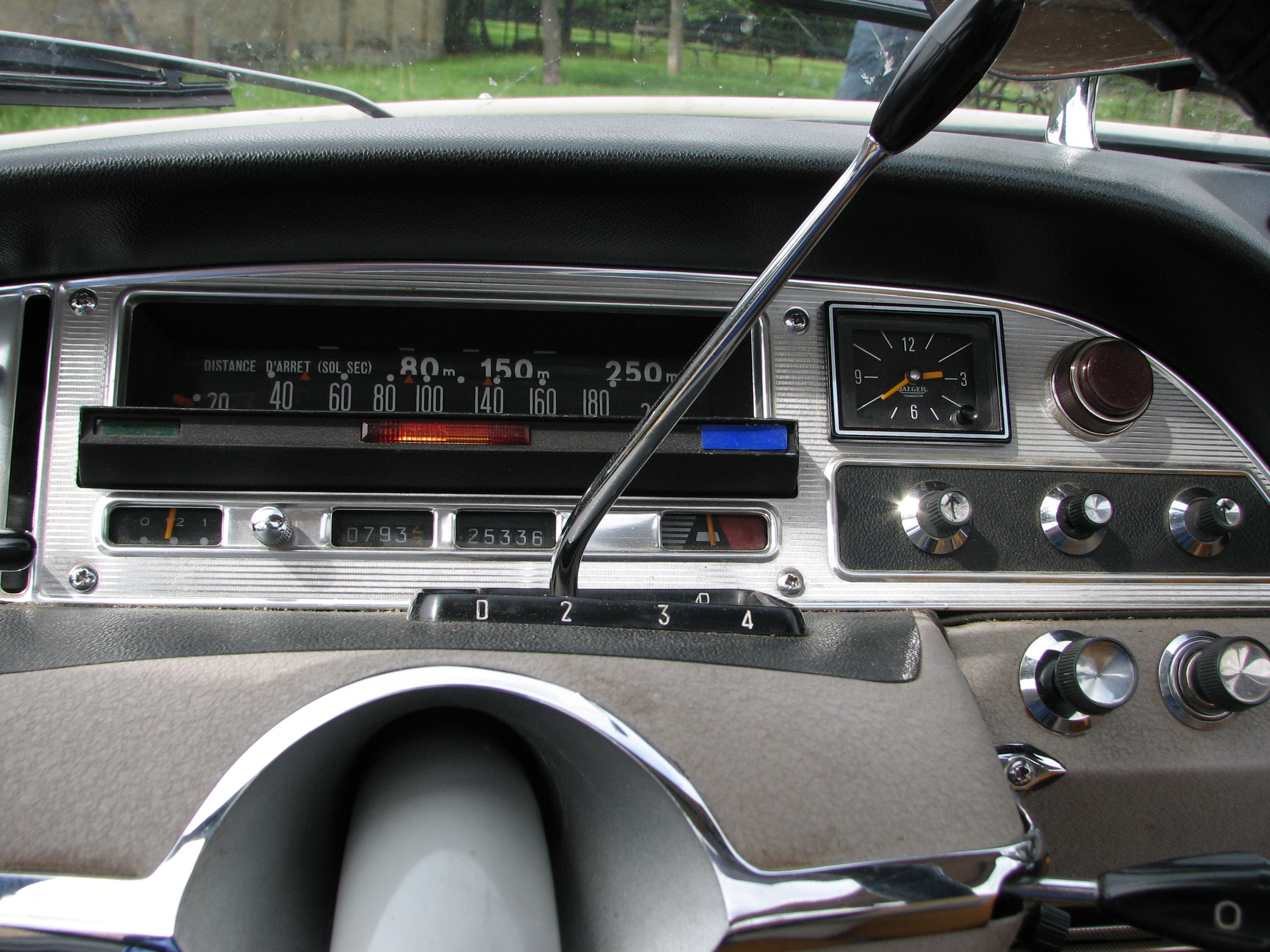
Ergonomics were yet to be discovered even as late as the 1950s. Take a Citroen DS, Ford Zodiac Mk2, Daimler Conquest and Austin Westminster A90 for example. All were in production in 1956 and the differences are staggering. Sure, the DS was quite unlike anything else at all, but let’s focus for the time being on gearchanges.

DS semi-automatic

Baffling controls an everyday challenge for the motoring journalist

On the DS, you move a small arm that sprouts from the top of the steering column in its own quadrant. The car looks after the gearchange and clutch operation for you – you just tell it what gear to be in. The Daimler uses a pre-select gearbox, so while there is a ‘clutch’ pedal, you don’t use it as one. To move away, just select first and raise the revs – the fluid flywheel transmit the power. Select  the next gear using the column change and operate the pedal when you want it to engage.

In theory, the Ford and Austin are much closer. Both have a column gearchange to a conventional gearbox – the Ford packs three cogs while the Austin manages four. But consider how you select first. On the Ford, you push the lever away and down, the Austin away and up. Second? Towards and up on the Zodiac, but straight down from first on the Westie.

It’s learning to adjust to these differences that enables us to do our jobs quickly and without breaking stuff. Yet there’s always one that nearly catches you out.

Austin Sevens I always find hard work. The clutch is a button with about an inch of travel, the steering is exceedingly vague and the brakes – especially on earlier uncoupled versions – are horrifically poor. I always return with a smile on my face though, even when one recalcitrant Ruby conked out on my test drive and only came back to life after vigorous hand-cranking. A journey in a Seven is never dull.

But it was a Morris Oxford Six, dating from 1933, in which I almost came a cropper.

1933 Morris Oxford Six

This 1933 Morris Oxford Six proved a challenge! A beautiful car however

For a start, the pedals are in the ‘wrong’ order. The throttle is in the middle, the brake where the throttle would normally be. The gearbox thankfully had synchromesh – I had driven an earlier Oxford without it and found coming down the gearbox a real challenge. What I didn’t know is that it had a freewheel! You can picture the scene as I come down a hill towards a red traffic light. I’m already focussing my mind on the pedals, so I don’t accidentally accelerate. My foot is right down and not a lot is happening  – brakes weren’t very good in the 1930s. To make matters worse, there is no engine braking as the car is now freewheeling down the hill!

My heart was truly in my mouth as I sailed just past the stop line. I’m very glad brakes have improved since then! While it may have scared me, it was a beautiful car. It had a top speed of barely 60 miles an hour, but sounded absolutely beautiful. While it came close to killing me, I still did rather like it!

Blogging slowdown

Sorry for a quiet week folks. I’ve been busy becoming MiDAS accredited (that means Minibus Driver Awareness Scheme, not that I can turn things into gold before you ask) and damaging my finger, which has made typing a right pain! Normal service will be resumed shortly.