Sirion – brake troubles

I’m a bit sensitive when it comes to brakes. They are rather important after all. It doesn’t take much to have me resting my hand on the wheels after a long drive, just to check there isn’t excessive heat. If the tyre has got hot and you can’t touch the wheel, something is wrong!

It was actually a nasty smell that had me checking the Sirion’s brakes. Turned out to be Bilt Hamber’s Dynax UB anti-corrosion wax as I’d managed to get a bit on the exhaust, but the front wheels did seem quite warm. Especially given that I’d just driven up a rather big hill, and so hadn’t touched the brakes for several miles.

STOP! Hammertime

STOP! Hammertime

Once daylight appeared, I had another test drive. I found a section of road where I could avoid braking, and pull into a layby without having to touch the middle pedal at all. No doubt about it. While the discs weren’t hot, they were certainly warm. The calipers were binding slightly. This has a surprising effect. It can seriously impact on fuel consumption, even if there are no other issues. But generating excess heat can cause other issues too. Ignored, a seized caliper can cook your brake fluid, meaning the brakes effectively fail when you next use them, or they can generate so much heat that rubber components fail and/or all of your wheel bearing/CV joint grease gets liquidised, leaks out and wrecks those items. You ignore such things at your peril.

I hadn’t really had to do anything to the Sirion’s brakes, so this would be an education. I whipped the front wheels off to see what I was faced with. The Sirion uses ‘floating’ calipers. These have only one piston, which presses one pad onto the disc, but pulls the other half of the caliper towards the disc too. This floating section runs on slider pins. The biggest weakness of these floating calipers is these pins. They need to be greased. If the grease dries up, or if someone has used the wrong grease (copper grease is bad news, you need a rubber-friendly silicone grease) then the caliper can get stuck, holding the pads against the disc and causing the aforementioned foibles. If this has happened for quite a while, you might notice unbalanced pad wear. The other thing that happens is that the piston itself gets gummed up. The pistons are made of steel, and so corrode if not coating in grease. The lower the pads are, the more piston is potentially exposed to the elements.

To pull the pads out, you need to remove the slider bolts. This became a bit of a battle, which suggested these might be the problem. They have 14mm heads, but both the lower sliders rounded off. I had to resort to extreme measures – a 13mm socket and an impact driver! Even then, it took a hammer and chisel to coax them out of the caliper. Sherlock Holmes would not be needed here.
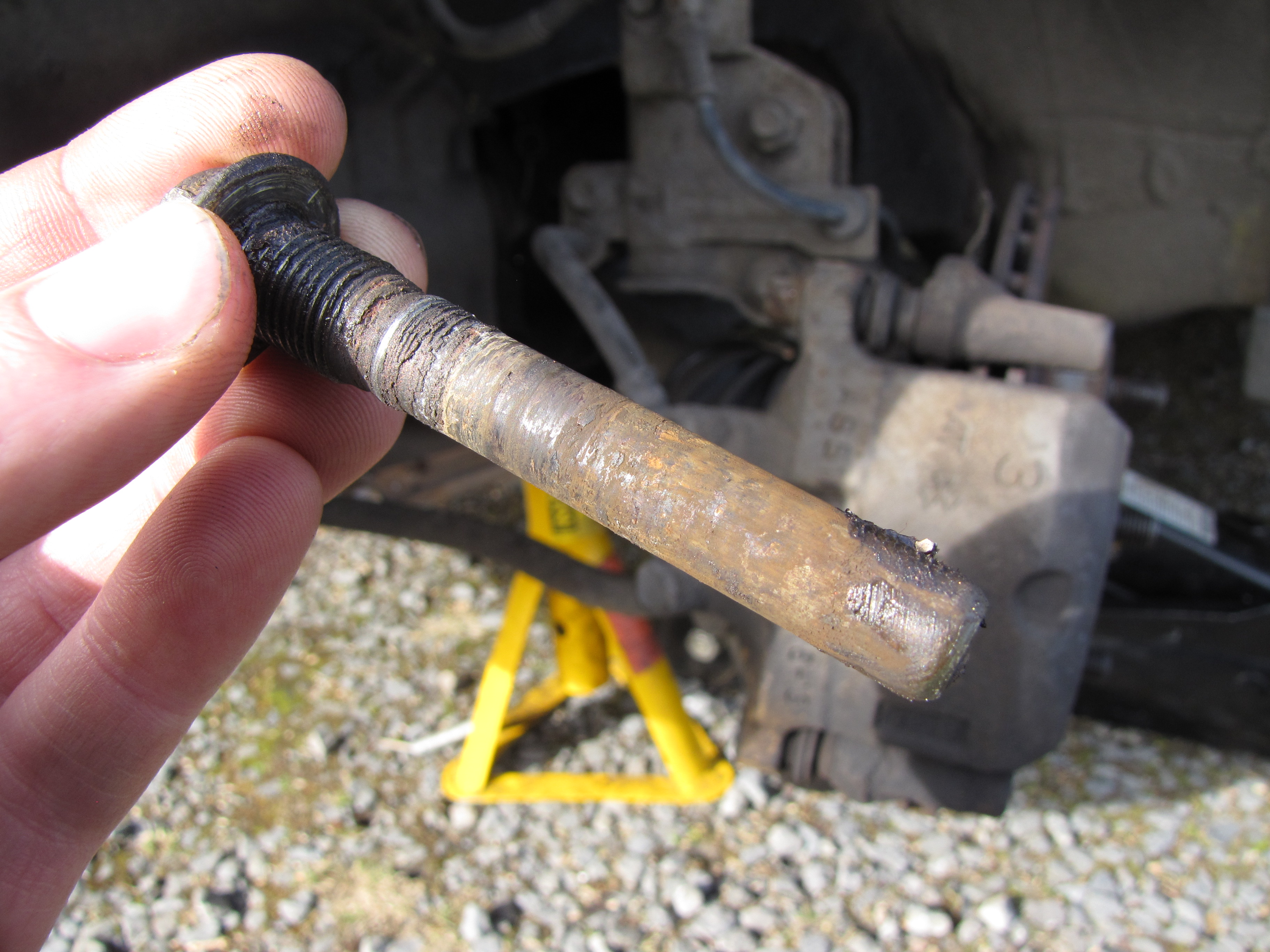
This slider pin should not be this dry

This slider pin should not be this dry

Once I’d forced them out, it was pretty clear that they were entirely dry. Even worse, there were signs of corrosion and score marks where they had been trying to slide across the dry surface. The actual movement is tiny, but still requires lubrication. With mangled heads, I couldn’t safely refit the pins, though I did so loosely just so I could move the car on my driveway. I ordered new pins from a Daihatsu dealer and accepted that I’d have to wait several days for them to arrive. The downside to owning unusual vehicles.

The pins arrived this morning. At last! I was a bit miffed to have been charged £5 postage, when it cost the dealer £2.30 and a second-hand jiffy bag. But they were here. The weather was chaotic – snow, hail, sleet, rain and wind. I turfed the 2CV out of its cosy garage and set to work.

It didn’t take long, because I’d already done the hard work. Here’s a pin comparison.
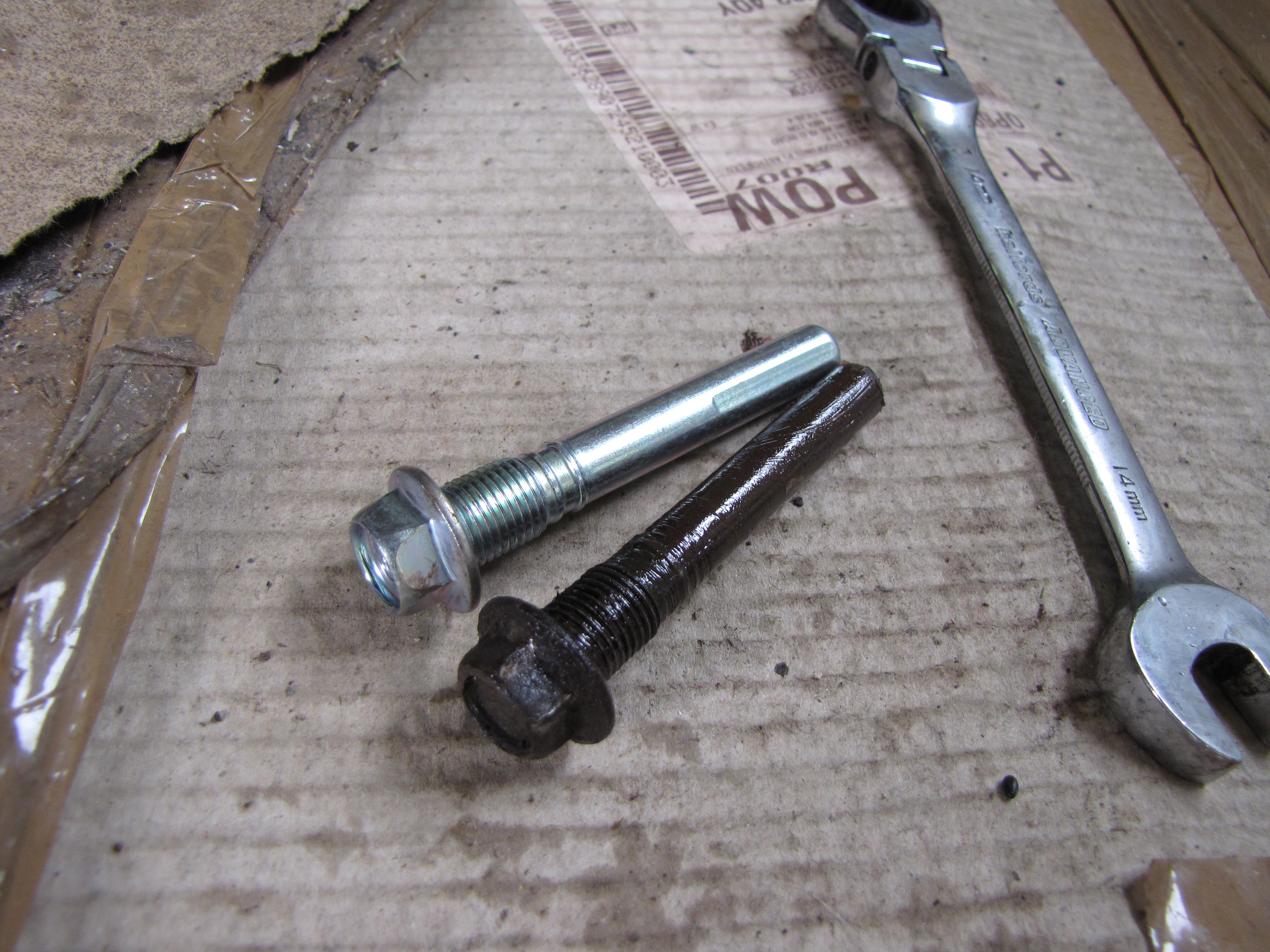
Caliper slider pins compared

Caliper slider pins compared

A fair bit of difference! The old pin is damp, because I lubed it up before refitting last time, just to make sure I could get it out again. Incidentally, ratchet spanners are BRILLIANT. The new pin was lubed with silicone grease – not too much – and I used a little copper grease on the threaded section as that doesn’t contact the rubber. This should make future removal far less trying. It’s important to use a grease which is compatible with rubber – not all of them are, and if the rubber boots are destroyed, the sliders will not be protected from the elements. It’s also sensible to clean out the slider tubes in the caliper. Do so gently and make sure you don’t contaminate the disc or pads. Oil is not helpful in a stopping situation.

It isn’t one of those jobs that makes a huge difference to how the car drives – there’s no difference at all it how it feels – but it was a useful bit of preventative medicine. If your car has floating calipers, make a point of pulling the caliper apart every year or so to make sure the sliders are still lubricated. You could save yourself a lot of trouble.

I’m glad to have the little buzz box back in use. It’s the exact antithesis of the BX, being rev-happy, zingy and displaying all the bodyroll of an original Mini – albeit with steering that feels like an original Mini with the front tyres at 60psi. It is also the only one of my fleet on winter tyres – and it seems winter is not quite finished with us yet.
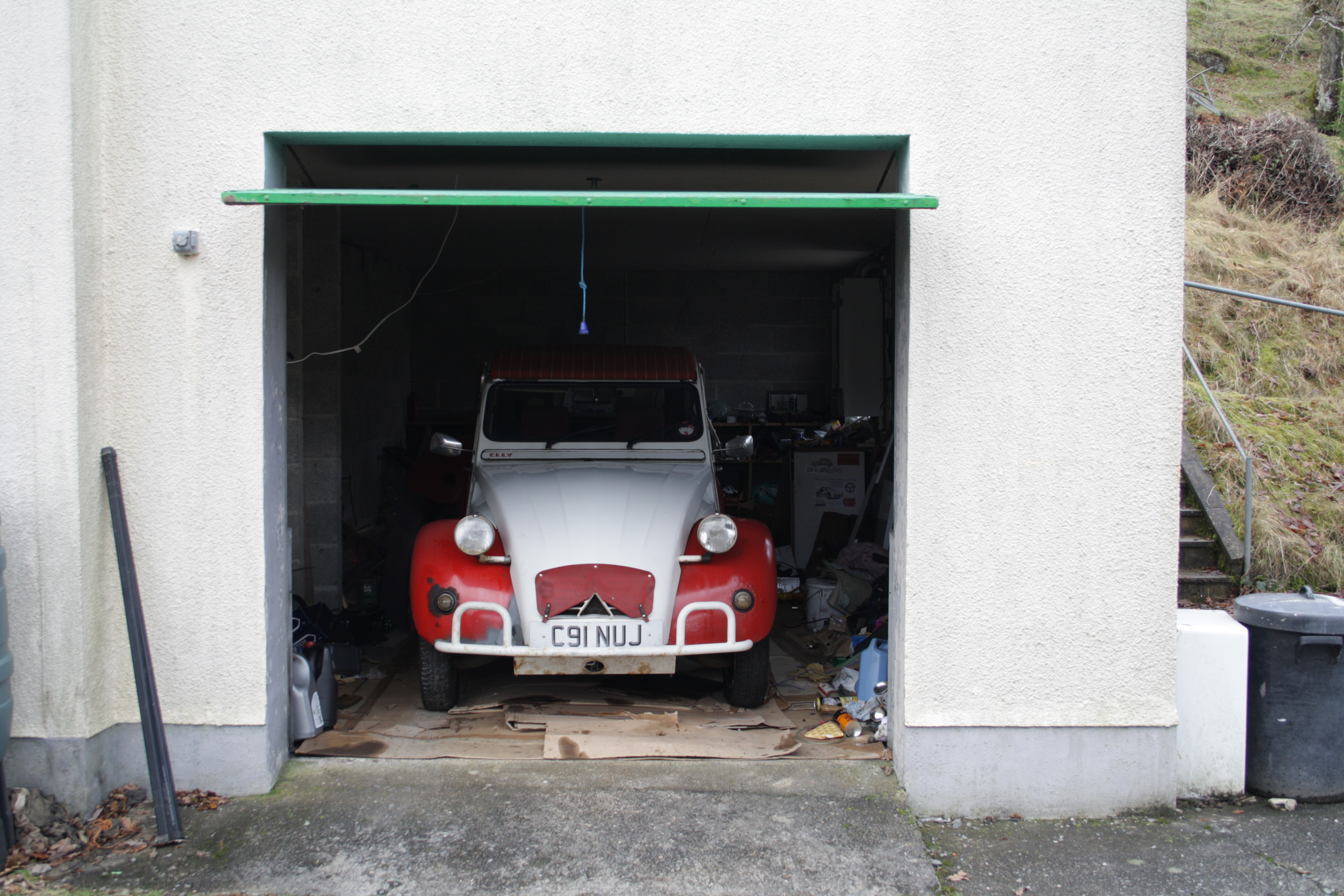
2CV – oh yes, I own one of those!

Every time I buy a new car, my poor 2CV finds itself ignored. It seems to have learnt to cope with this over the years. It has had about 50 different stablemates over the past 13.5 years. There are currently two reasons for it being ignored though. One is typical new car excitement, the other is that I rolled the roof back the other week, and I can’t be bothered to roll it shut again. Therefore, Elly the 2CV is waiting for a sunny day – it might be a while…

2CV in a garage

“I’m not coming out if it’s raining!”

Yeah, ok. So, I couldn’t even be bothered to take a shot recently that actually shows the roof rolled back. Sorry. It has been a tiring week. Not that I can afford to be too lazy about things. The 2CV needs an MOT test next week, and quite a bit of work is needed if I’m to avoid the tester laughing to the point of injury. I do not want to be sued for such an event. Maybe next week I’ll crack on with things…

The fleet is working quite well at the moment though. The 2CV is lots of fun to hoon about in. The Sirion takes things a step further, and offers a similar experience but with more power and less suspension and much less noise. The powerful heater and good wipers make it a far better bet in inclement weather, especially as (unlike the 2CV) it doesn’t try to dip water into my shoes when it rains. (yes, even with the roof closed). The BX is an entirely different kettle of fish though. It is comfortable, and spacious and despite being much more powerful (71bhp to the 54bhp of the Sirion) it is also a fair chunk heavier. With torque and no top-end power, it’s very different to drive too, but still entertaining to corner quickly in.

Trying to prioritise is my next challenge. The 2CV needs to munch up most of my new pay cheque but what then? The Sirion needs its rusty sills sorting before summer, but the BX could do with a new clutch and possibly a steering rack. And maybe rear arm bearings. For now, I’m going to have to rule all of those items as non-urgent. They’re all in the ‘past their best but not dangerous’ sort of ball park at the moment.

This is my world really. New cars are apparently stress free, but I’d rather be more involved with what I drive, and free of electronic restraint. Time spent tinkering is time well spent.

The Drive Home – contains M25

Our flying visit to Kent meant just one night of something approaching sleep before we headed home. Departure time ended up delayed until mid-afternoon. It had gone 4pm by the time we actually got moving out of Tunbridge Wells.

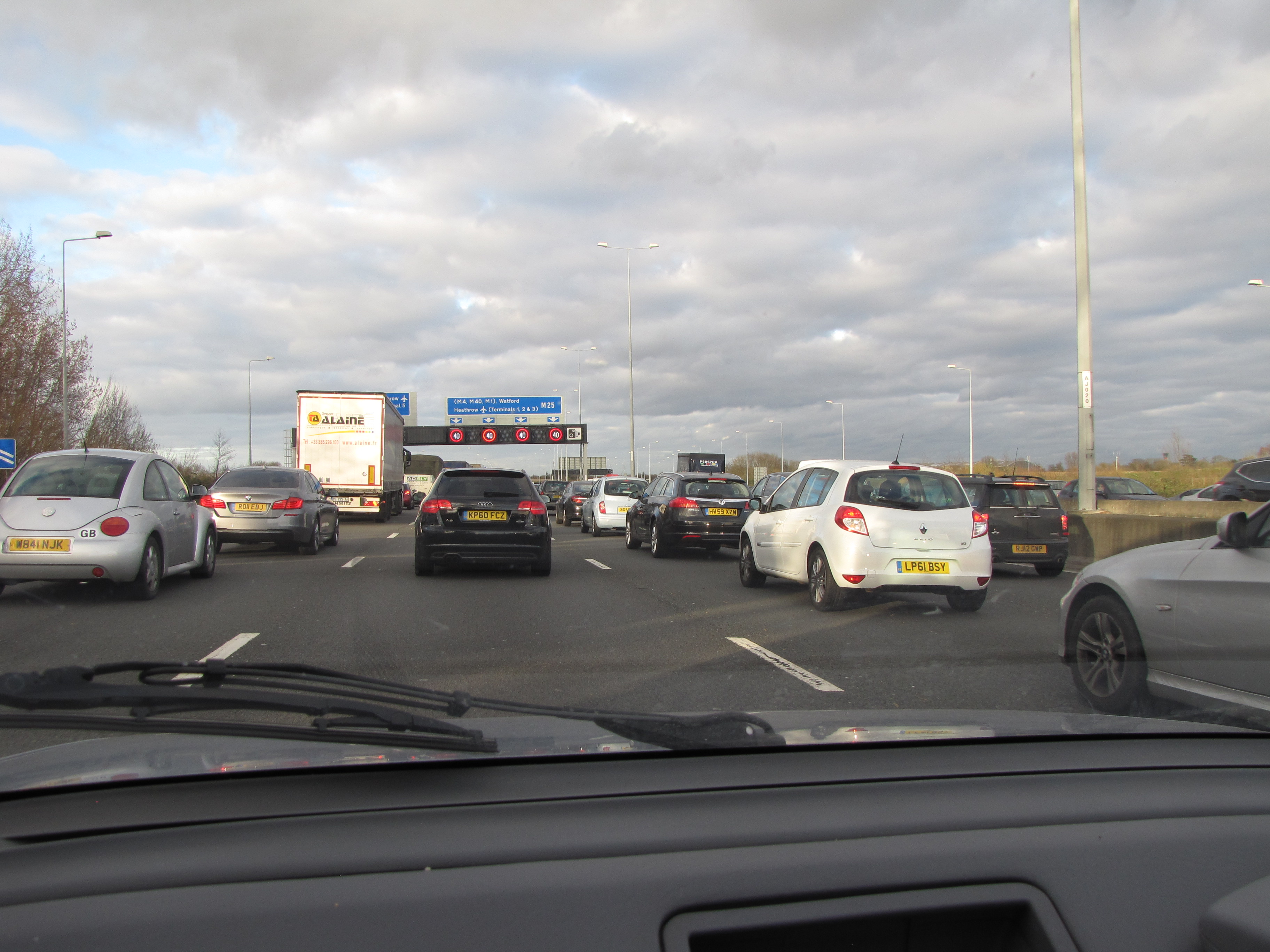
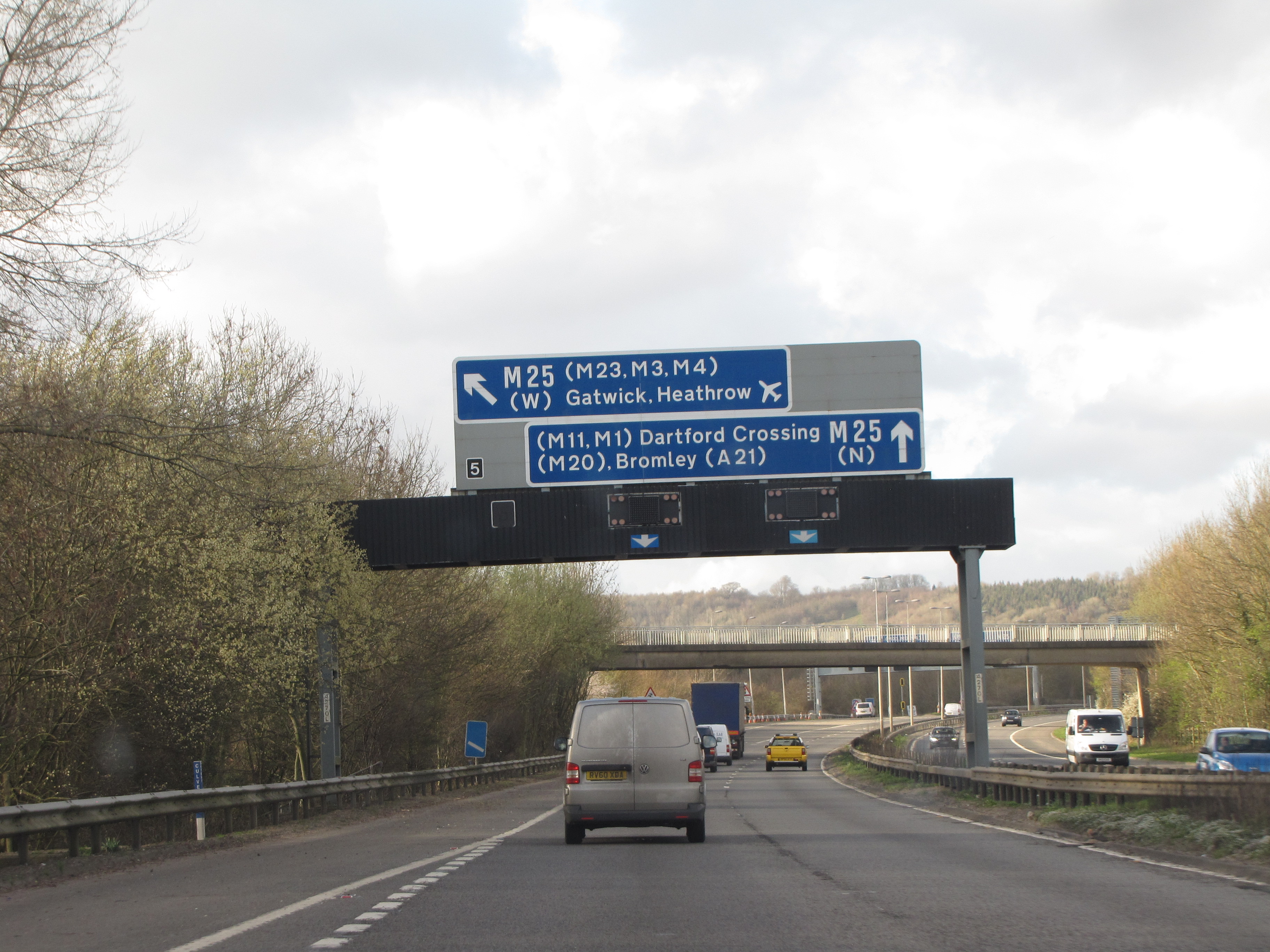
Road sign Motorway

Traffic levels ok at the moment…

On Monday, we’d sailed around the M25 without hitting any congestion. There’s usually more chance of winning the lottery than getting a clear run around the London Orbital, so I was well chuffed! Lightening doesn’t strike twice they say, so we had no such luck on the way back home.

Congestion M25

Ugh! Everything slows to a crawl

We just about kept moving though, which is good. With a shot engine mount and tired clutch, pulling away smoothly in the BX requires some considerable effort. On the plus side, it seems quite happy to potter along on tickover in second gear, and can pull from barely moving in third. It’s pretty good if things keep moving.

Warning signs greeted us with the good news that there was long delays on the M4 – our route home. They gave us plenty of warning, and the slow traffic meant we had a lot of time to consider our options. We could aim for the M3, then cut up to the M4 later. Or we could cut through Windsor. Lastly, we could go up the M40 and find an entirely different way to get to Wales.

The M3 seemed a logical idea, as Windsor would surely be jammed up. It turned out that the M3 was also jammed up as everyone else had the same idea. We found ourselves sitting stationary in the lane for the M3. This didn’t seem such a good idea. The problem was, the traffic on the M25 had picked up pace, and there was a lot of it. I had to wait for a suitable gap, then absolutely nail it, unleashing the full fury of the BX’s 71bhp. Not something I’d like to do again to be honest, but disaster was averted.

By the time we reached the M4 junction, Sally Traffic on BBC Radio 2 had informed us that the blockage had been cleared, but traffic was taking a while to clear. Sod it. The M25 was now jamming up quite horribly, so that put the M40 plan out of action. We’d opt for the M4. The problem here was the great volume of cars joining the M25 from Heathrow. They were flying down our inside, while the M25 traffic we were in was slowing down. We needed to be in that left-most lane, as it became the M4 exit. I watched the nearside mirror for a gap, while trying not to crash into the general queue of slowing vehicles. I spotted a gap, checked my blind spot and as I did that, the Volkswagen Golf that had just undertaken me, pulled in front of me and stopped dead as it tried to join the main M25 queue. I glanced forward again just in time to swerve into the M4 lane. I was not amused. It was a good job the lane was clear!

Sure enough, the M4 was a bit slow, but as we passed a burnt out lorry, we were glad of our timing. If we’d left earlier as planned, we would have been caught up in a solid traffic jam as the fire was put out.

I was feeling pretty tired by this point, so we pulled over and Rachel took over driving, reporting that she didn’t like the steering or the throttle pedal. The latter is at an uncomfortable angle, the steering is more of a mystery. I suspect some play where there should be none. I shall try and find it.

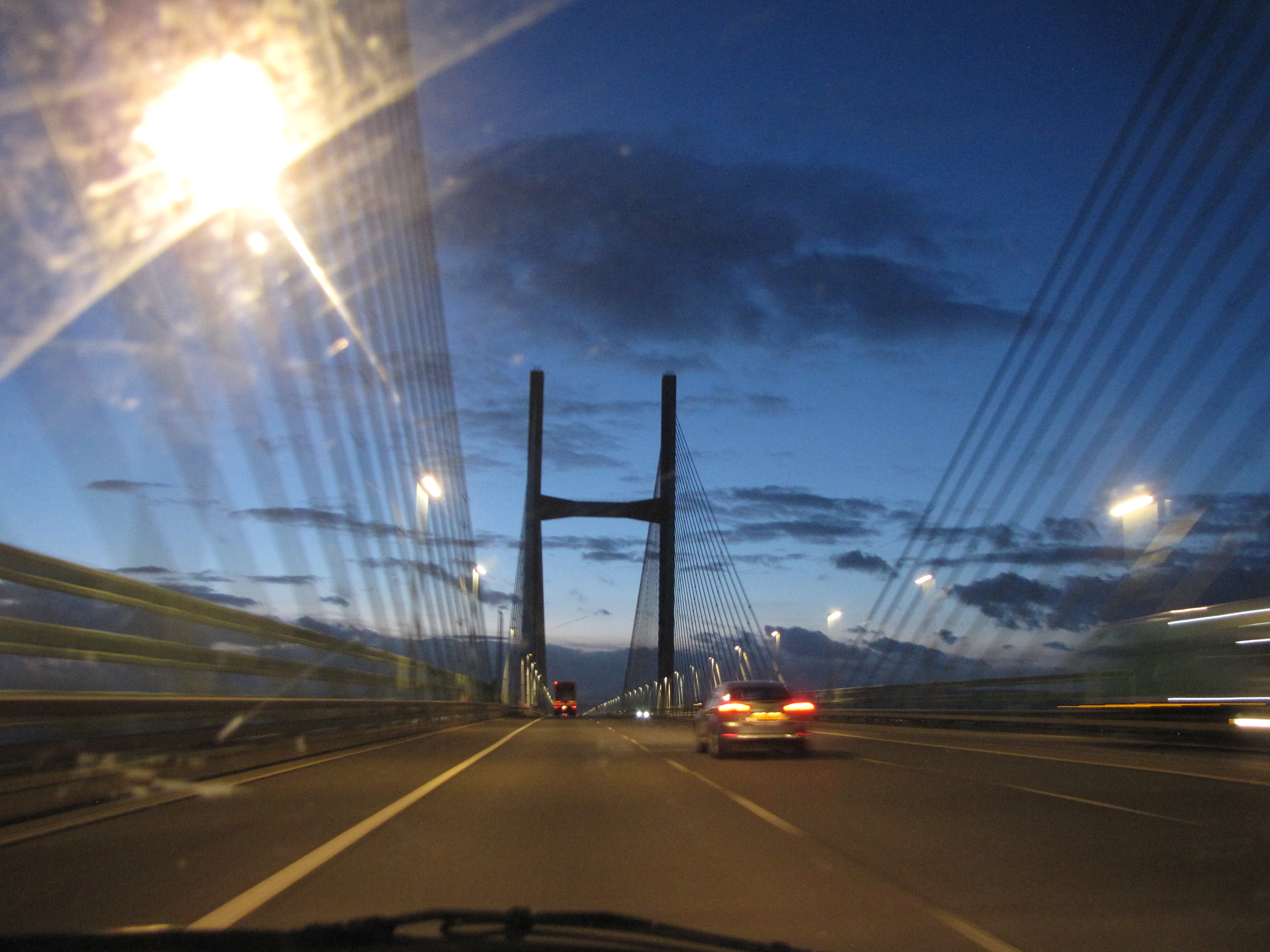
After an hour or so, we reached the Severn Bridge. Always a good sign!

Severn Bridge. Croeso i Grymru!

Severn Bridge. Croeso i Grymru!

It was a rather splendid evening. We joined the A449 at Newport, and stopped for another driver change. We then drove on into the night, with the BX proving adept at remaining in fifth gear for 99% of the time. It’s surprisingly relaxing to drive on country roads – no need to keep dropping cogs to find the power as I do in the Sirion.

We arrived back in our village at about 9pm and when we turned the engine off at the local hotel (where tea-critical milk was purchased) it was the first break the car had enjoyed since we set off from Tunbridge Wells. We managed to cover 598 miles in total, and 290 on the Tuesday thanks to various potterings in Kent.

The BX more than proved itself capable though. Not bad for a 26-year old motor.

BX – all the way to Kent

Yesterday, we sailed serenely from home in mid-Wales to Kent. It’s not a journey I usually enjoy, but traffic levels were relatively light. We didn’t hit traffic until Tunbridge Wells! That’s pretty good going.

I was thoroughly reminded why I have such a soft-spot for the BX. It ate up the 250-mile journey with no drama and no discomfort. We clambered aboard, drove it hard for many hours, then clambered out again. Best of all, I filled the tank when I purchased the car last Tuesday, and it still doesn’t need another fill, even after 400 miles of driving. That’s a pretty heavy first week of use!

My biggest concern with going back to BXs was that with this one, I’d miss the turbocharger of my previous two. I have to say though, while acceleration is never dramatic, the non-turbo diesel builds speed well enough and there are many advantages to the non-blown engine. For a start, it’s a lot more simple. There’s less to go wrong and the engine bay is also considerably less cluttered. That makes it a delight to work on.

I buy diesel, for a more natural experience.

I did think that the taller gearing of the turbo diesel was an advantage – it makes motorway driving a bit less frenetic. But, I’m not sure that greater cruising potential makes up for the need to keep stirring the cogs so much. With my new BX, I can stay in fifth gear almost all of the time. It’s a lot more relaxing. It didn’t feel that frenetic at a 70mph-ish cruise either, though perhaps the lack of a rev counter helps. You can’t see how fast the engine is spinning!

Simplicity is a good thing

Simplicity is a good thing!


What really impresses though is comfort. After hours behind the wheel, I had a joyous lack of aches. Compared to the Sirion, broken road surfaces were nothing to fear either. Which is good, as Kent is full of destroyed roads. The only mild discomfort came from the frustrating lack of a clutch-foot rest. Perhaps I can make one though. Huge mirrors and small window pillars take a lot of the stress out of motorway driving too, though when traffic levels build up, there is a danger that everyone else can out-accelerate you by some margin when things clear again. You have to try and predict when things are going to pick up again, and mash the throttle into the carpet before you really need to start accelerating. It’s a technique I’ve developed through many years of 2CV ownership. So is maintaining momentum. On the twisty, hilly roads of south Wales, the BX’s fine cornering behaviour enabled me to avoid having to slow down too much.

Later today, we have to drive another 250 miles back home. We’re likely to share the driving. It’ll be interesting to see how Mrs TheWife gets on with the BX. It’s a good few years since she last drove one.

BX: Tyre and error

Buying the BX on Tuesday means I had less than a week to prepare it for the following Monday, when I will be driving it 250 miles to Kent. It’s been an interesting week. First, I discovered there was almost no oil in the engine. Easily solved and thankfully no damage seems to have been done. Then I changed the upper engine mount, hoping it’d remove some nasty transmission shunt. No such luck, so I’ll have to change the lower mount at some point too.

Yesterday introduced a new drama, when I decided to replace the decidedly low-on-tread rear tyres. When the wheel came off at the tyre centre, I got a bit of a shock.

Jeepers! Brake pad is trying to escape

Yes, that brake pad is trying to escape from the caliper. Note how it has been rubbing on the inside of the wheel. Alarming. It had been like that long enough for a distinct wear ridge to develop on the pad – it’s overlapping the lip of the disc. The tyre place kindly removed that lip and shoved the pad home. I then nervously and gently drove home.

The good thing about buying another BX is that I know the cars well, and have various spares floating around. I know that somewhere in my garage, there lurked a complete second-hand caliper, with the pads (and importantly the retaining slider) still in place. Now, where was it?

After a fairly comprehensive ‘man search,’ I had a bit of a panic. I couldn’t find it, and time was running out. It was now 1pm on a Saturday. Motor factors were starting to close for the day all over the land, and the chances of getting a new fitting kit posted to me in time for a Monday morning departure were starting to look about as likely as me scoring an advertising deal for men’s grooming products.

There was nothing for it. I needed to conduct a thorough search. So, like an archaeologist, I began to sift through the detritus of the ages (less than two year’s worth worryingly) to find the Holy Grail. Unlike Indiana Jones, I managed to do so without having to battle snakes and quickly-closing doors. I found it!

The Holy Grail. For me anyway…

That sliding pin was extracted, cleaned up and fitted to the new caliper. I even managed to find the correct pin to hold the slider in place. Where did I find that? In a spare caliper that came with the BX. The one which also had a slider. DOH!

A test drive proved that all was well – not that there were any notable symptoms of the fault in the first place. The handbrake is much improved though. I also tightened up the straps holding the strut return to the suspension leg, and re-attached a CV joint cover which was oozing grease.

Not that the work ended there. Rather belatedly, I decided that today, I should check the gearbox level. This is done by first removing the filler plug. If fluid starts leaking out, all is well. Fluid did not start leaking out. Stupidly, I hadn’t thought to buy gearbox oil when I was in town the previous day, so a hasty (and very enjoyable) drive in the 2CV followed. I bought a litre of oil. The BX swallowed all of it and still showed no signs of being full. Bother. I added a further 100ml or so of slightly-too-thick oil as it was all I had. Oil began to seep out and the plug was refitted.

It has made a huge difference to the gearchange – it’s now much sweeter. I’m very glad I checked it. Now I need to consider which spares/tools to pack for the roadtrip. I’m really looking forward to it!

The workplace, courtesy of Rob Parker-Norman


Freedom. Enjoy it while it lasts

I’m quite happy to pay road tax – or vehicle excise duty as it’s correctly called. That’s because my payment allows me to use my car wherever I like, and to drive as far as I want to. Sure, we’d all like to keep more of the money we earn, but while I can drive wherever I like on Britain’s 245,000 estimated miles of road, I’ll concede that I’m happy to pay for the privilege.

The future does not look bright however. We’ve currently got London considering a ban on older vehicles, and the Lib Dems stating that they want petrol and diesel cars banned by 2040 – which, should I be healthy/lucky, is within my lifetime. Yet at the same time, we’ve got about eleventy-twelve different petitions haranguing the government for a re-introduction of the 25-year rolling tax exclusion for older vehicles. I won’t join that campaign as it strikes me as very dangerous. While some are quite happy to have their movements restricted – just pottering to a local show is about all they want to do anyway – some of us like to use older vehicles for daily duty, or for long road trips. I don’t want to drive in London anyway, but it strikes me that any planned restrictions could be the mere tip of the iceberg. What if other cities follow suit? What if a general ban for older vehicles on ANY major roads is implemented? What if historic vehicles end up with massive restrictions on where they can be driven?

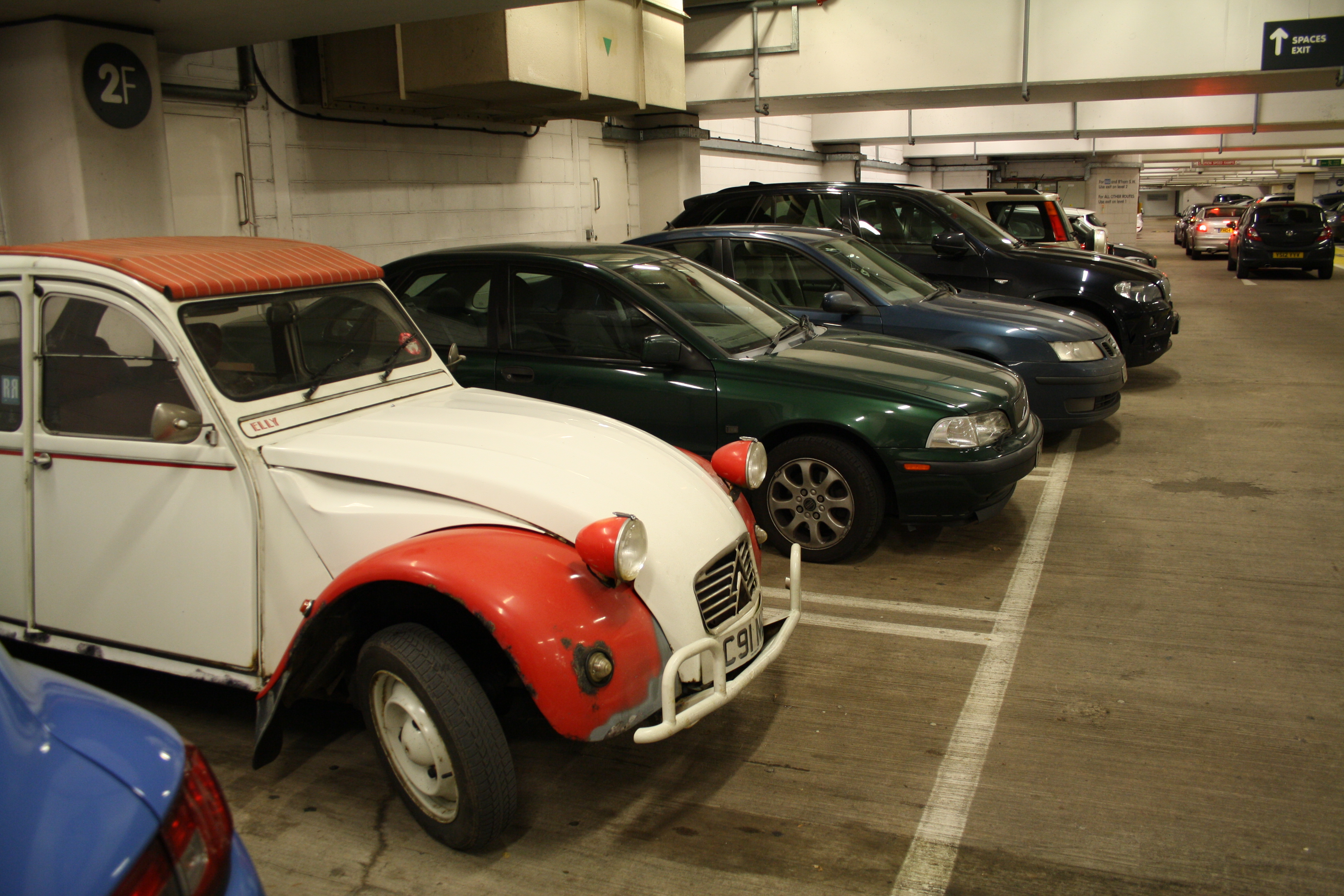
Elly the 2CV enjoys the freedom of Birmingham

Elly the 2CV enjoys the freedom of Birmingham

The thought fills me with terror frankly. I don’t enjoy a massive income, so I tend to choose cheaper cars. To be honest, I also fail to see why I should pay thousands when a car costing hundreds is perfectly acceptable – albeit regular tinkering tends to be a theme of my life. Yes, I enjoyed my experiences in an electric car last year, but the largest barrier to me buying one is the horrendous cost. I can think of a great many things I’d rather spend £30,000 on. A great many different cars for a start. Electric cars are still not viable to replace diesel and electric outright either.

Nor do I want a modern petrol or diesel-powered car. With diesels especially, they have become so reliant on technology and problematic emission-controlling gear that the sheer joy of a diesel – it’s simplicity – is entirely lost. Seriously. I do not recommend that anyone spends their own money to buy a brand new diesel. Any fuel savings will be cancelled out by hideous repair costs. £1000 for a clutch change, thanks to the dual mass flywheel, and then there’s the particle removing systems, which get clogged up and cost hundreds to sort out. Plus fuel pumps working at ever higher pressures, and a baffling array of sensors – any one of which could go down at any moment.

Petrol engines don’t seem quite so blighted at the moment, but even so, cars are being driven off the road at a steady rate because some expensive sensor, catalytic converter or emission-control system has gone out of whack. Chasing error messages can get expensive – though Car Mechanics magazine does a wonderful job of proving that DIY motoring hasn’t disappeared, it’s just evolved. That’s beyond most motorists though, and there are plenty of us who still prefer a screwdriver to a code reader.

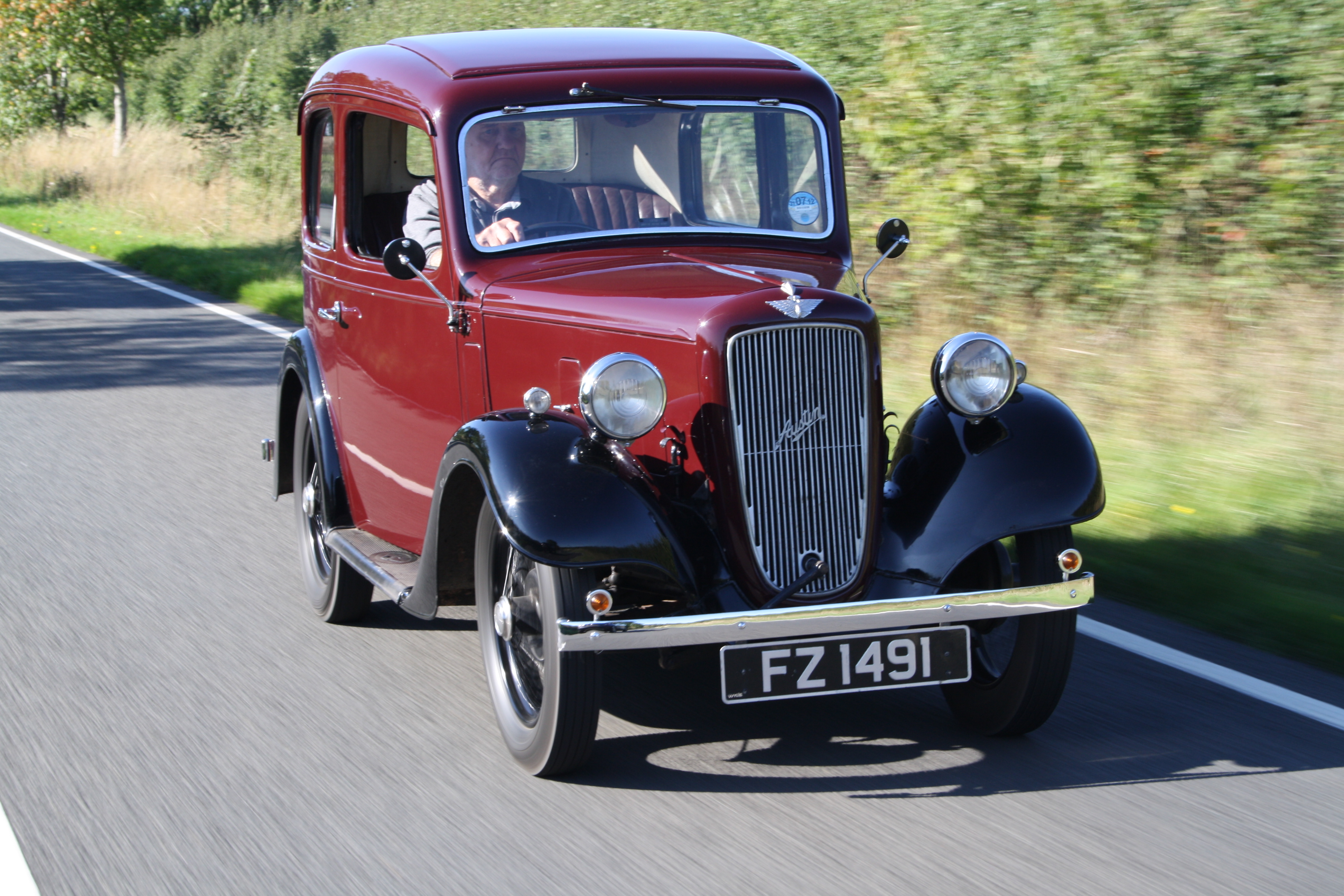
Ruby at speed. But not very much of it.

Could old cars be banished from the road?

That’s the thing. I choose to drive old cars because I like them. I don’t want to drive something I don’t like. I’d argue that my older cars don’t contribute massively to the country’s emissions anyway. The Sirion has a cat, and all three of my current fleet can deliver better than 50mpg. It’s not like they’re old, inefficient fuel guzzlers.

Sadly, I can see that while free VED for older cars is a distinct possibility at some point, I can also see that it’ll be worth sod all. Be glad of the freedom we can now enjoy because one day, it’ll be gone.

BX – the clean up continues

I’m waiting for new parts to arrive for the BX, which means there’s little I can do at the moment other than clean it. This is no bad thing. The interior was a bit grim – which I had no problems with, as the Discovery had mould on the dashboard. Between us, me and my friend are utterly dreadful at preparing cars for sale.

There are loads of products available for cleaning interiors, but I find a damp, slightly-soapy cloth is all you really need. That and a good vacuum session made a world of difference.

BX inside

A simple clean makes such a difference

This interior trim was only available on the BX for slightly less than two years. It’s a lighter shade of grey than standard, and I’m not sure I’ve seen seats in that material before either. Sadly, they are starting to fray somewhat. I may need to cover them. Note also that I’ve given the door shuts a good clean. That always makes a difference too.

Earlier in the day, I set about trying to make the rear screenwash work. I quickly diagnosed a faulty pump, by wiring it directly to the battery. It seems utterly seized. You can’t get the things apart, so I’ve had to order a new one at £6. I set about some other minor tasks – adjusting the driver’s door striker so the door shuts more sweetly, and adjusting the rear wiper as it was not quite parallel with the base of the screen. Yeah, I know. Pointless detail.

I’m hoping a new engine mount will arrive today, which will hopefully cure the driveline shunt. A local garage will be having a look at the flatulent exhaust tomorrow, and then it’ll hopefully be ready for next week’s roadtrip to Kent.

Citroen BX – the love affair continues

I thought I’d become bored with the Citroen BX. Getting rid of my previous one in July last year felt like the right move. The downsides were outweighing the positives and I felt it was time to move on.

But, as I’ve previously written, the BX is pretty close to motoring perfection in many ways. Few cars manage to mix limousine comfort with the load lugging ability of a small van, while delivering 50mpg and handling that delivers plenty of entertainment. As I reminded myself at the NEC Classic Motor Show last year, I really do adore the styling of the BX too. Granted, the estate isn’t really a looker – it puts practicality ahead of style, which is the way it should be really. My Rover 75 Tourer looked more stylish, but was bloody hopeless when it came to carrying stuff, due to a tiny tailgate opening, tapered sides and beige carpet. Beige carpet? In an estate?!

Getting back on track for a moment, when a friend offered a deal involving his BX diesel estate and some money in exchange for the mighty Discovery, I’m afraid my 20-year desire to own a humpy-roofed Land Rover went straight out of the window. I need a decent distance vehicle, but if the Land Rover was going, I needed something practical too. So, I’ve got perfection haven’t I? Let me tell you about my day.

Changing Vrooms

Changing Vrooms

This was a rather merry old scene. At Crossgates in Powys, my friend Rich and I exchanged vehicles, documents and money. I said goodbye to my lovely Land Rover, and clambered aboard my new BX.

I felt totally at home straight away, which was encouraging. Sure, the BX isn’t perfect, but then it wasn’t valued at perfect money. It seems very sound, but there is (as with any old car) some fettling to do in the coming months. The driver’s window didn’t close properly for a start, but that’s ok as it was sunny, so I just kept it open. That allowed me to hear the blowing exhaust all the better. There’s a seriously knackered engine mount in there somewhere too, as the driveline shunt is rather epic at times. Easily fixed.

It did gather pace nicely though, floated majestically along and made me think I’d done the right thing. Alarm bells were sounded when warning lights started flashing, but this was merely because the engine was almost entirely empty of oil. Easily solved again. I shall have to keep an eye on it and see what’s what.

Easy solution to window woe

Easy solution to window woe

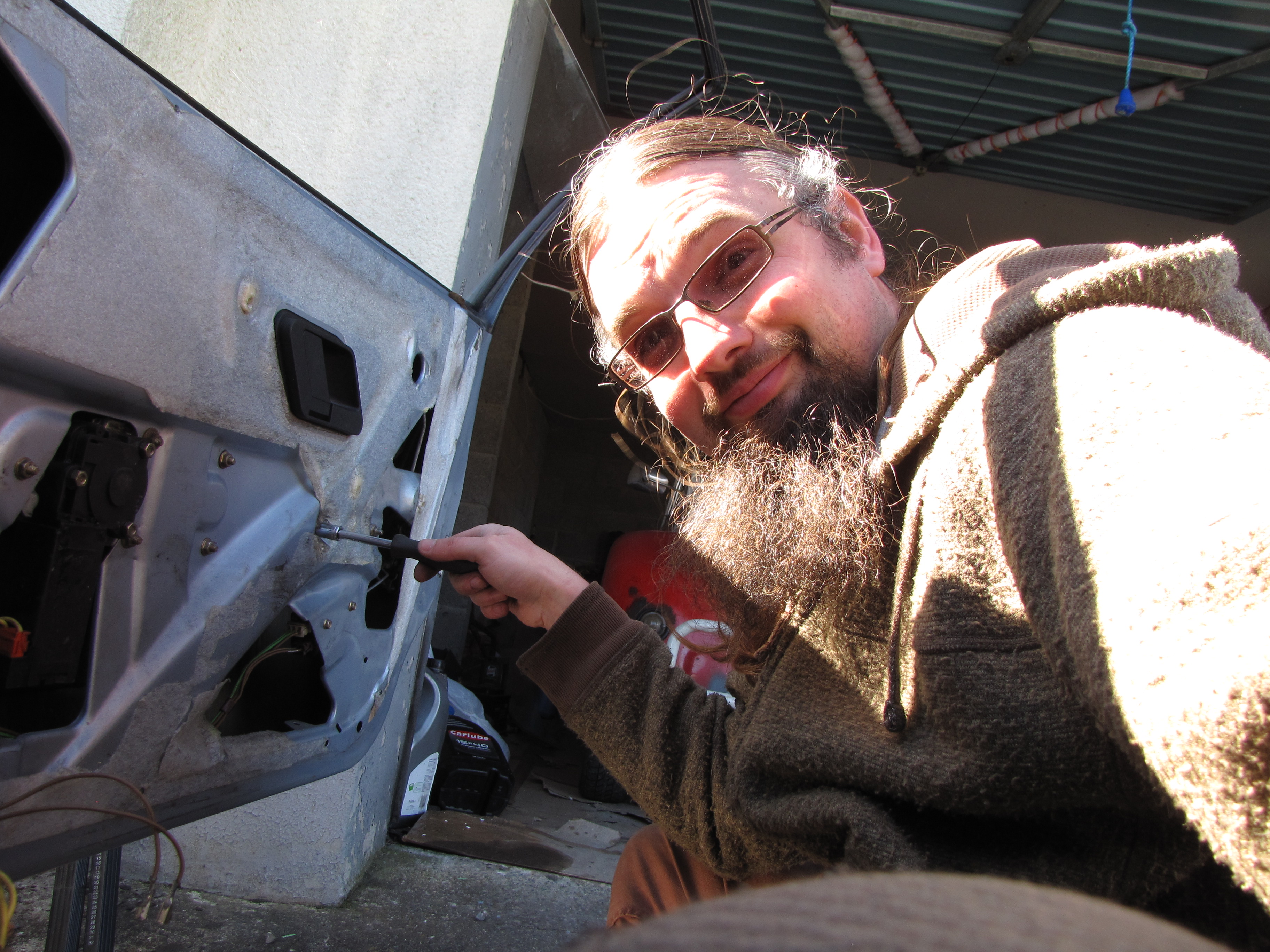
Once I’ve cleared the parts stash out of the capacious boot (two wheels with tyres, two front wings, many headlamps and various other bits, all below parcel shelf height – with another two tyres above that) I began to look at the issues. The window was going to get seriously annoying on a long run, so I reluctantly pulled the door card off. I’ve had ‘fun’ with BX window mechanisms before. Happily, I spotted pretty quickly that two nuts that hold part of the mechanism in place were loose. I arranged the glass in the right place, tightened the nuts and job done! Phew.

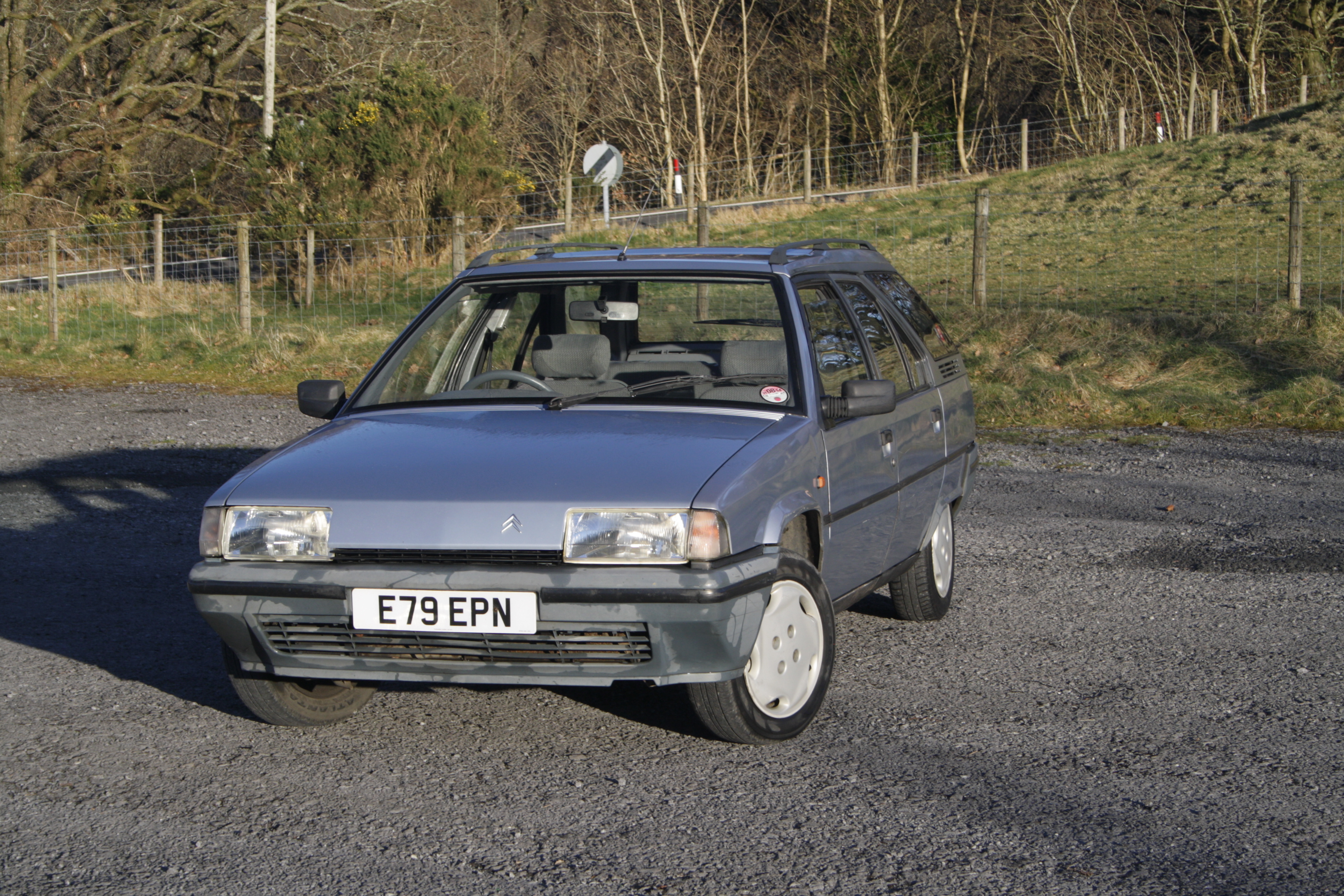
Then I could set about a bit of a clean and tidy session. The mucky interior (previous owner had children) will need some work, but I started with the outside. This was the result.

Brushes up quite nicely!

Brushes up quite nicely!

Ignore the front bumper, it was still wet. She did seem to come up nicely for a good wash though! I even cleaned the door shuts. Yes, those are the wrong wheel trims and yes, the font on the front numberplate is annoying, but there’s a good looking car there. She’s not immaculate by any means – the nearside wing and rear door have taken knocks, there’s some grot appearing on the nearside sill and rear wing, and there are quite a few scratches and stonechips all over it. I’m very pleased though. So far, the return to BXing is going well. Work to do, but it’s looking like a very worthwhile project.


This Corrosion – making plans

Rust, rust, glorious rust. I’ve got loads of it. Or rather, my cars have. Let’s start with the Land Rover. It still needs various welding, but I won’t be sorting it. Tomorrow,  it departs for a new life in Ludlow and an owner who can actually weld (and who does know that welding is definitely needed). It should be a fine stablemate sitting alongside his Austin 1100 and competing to see which one can leak most oil over his driveway. The incoming BX is hopefully a much more solid prospect.

But that still leaves two blighted motors on the fleet, and it’s the 2CV that needs attention most urgently. Seeing as the MOT is due next month. I had considered taking Elly off the road and giving her a proper sort out, but the 2CVGB National is in Wales this year. And is combined with the 2CV 24-hour race. Which will include a track parade. I can’t not be in my 2CV!

Here’s the most serious bit of rot.

2CV needs welding

2CV needs welding

Not pretty. This is the area beneath the rear seat box. You can see surface rust setting in all over the place though. Much work to do. Hopefully that can be patched to get her through another MOT, meaning I can postpone the hard thinking for another year. Rot in the windscreen panel is at least not an MOT worry and while the rear light panel is simply falling apart, I don’t think it’s near anything particularly critical. Unless the rear lights fall off, and that doesn’t seem likely.

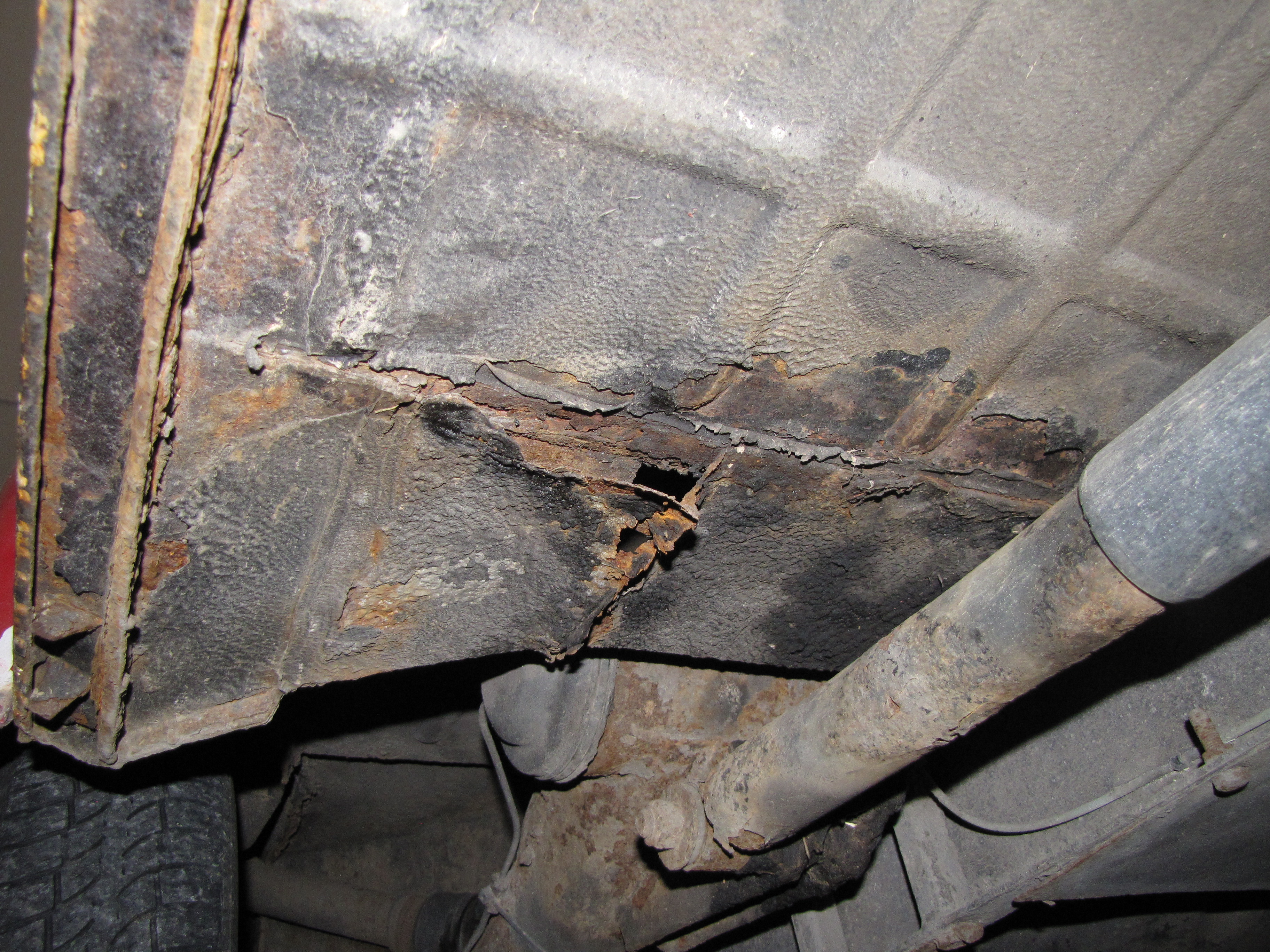
Moving on to the Sirion, it’s both sills that need attention. The MOT tester last year was supremely cheeky, and simply stated that he couldn’t check the sills due to the plastic covers. That’s funny, as my non-MOT standard camera was very able to see the problem.

Sirion sill rot

Sirion sill rot

I’m not sure what the tester’s defence is here. There is clearly enough sill visible to deduce that it’s entirely rotten! Fortunately, and rather incredibly, the sills still have enough strength for the car to be lifted by the four jacking points. This makes me hope that repair won’t be too tricky. It dos seem that it is just the outer skin that has perforated, though it’s almost certain that more rot will be discovered when the outer is removed. That’s just how it is. I did spend a good chunk of this morning rustproofing other areas of the Sirion though. It’s not as bad as I thought a while back. The MOT is up in July, so I’ve got more time to get that sorted. I did discover that the rear brake shoes are a bit low though, so that’ll be my next Sirion priority.

Right. Now all I need to do is keep my excitement in check about tomorrow’s BX collection. Wish me luck!


The most expensive car I’ve ever owned

I once bought a brand new Daewoo Matiz. This was a silly thing to do. IIRC, it was about £6500, though naturally finance was used to seal the deal. I traded in my first Citroen BX for all of £560. I was young and foolish. But not as foolish as I was about to become.

You see, after doubling my pay with a job change, I got a bit carried away. The Matiz, at only 18 months old, found itself being traded in for a Subaru Impreza Sport. I think that was £6000. I got £3300 for the Matiz if I remember rightly. Two days later, I stuffed the Subaru into a tree after a particularly exciting lift-off oversteer moment, that saw us at one stage skidding sidewards on the wrong side of the road. On two wheels. I don’t recommend every experiencing this for yourself.

The Subaru was bodged back into something approaching straightness, where I promptly traded it in for a Peugeot 306DTurbo. That cost £6495 and I got something like £3100 for the Subaru. Yet another finance deal saw all the previous finance get included and my new £6495 car had a figure of over £10,000 hanging over it once I made the mistake of working out all the finance costs. Bloody hell.

Thankfully, it was a lovely car, and I didn’t stuff it into any trees.

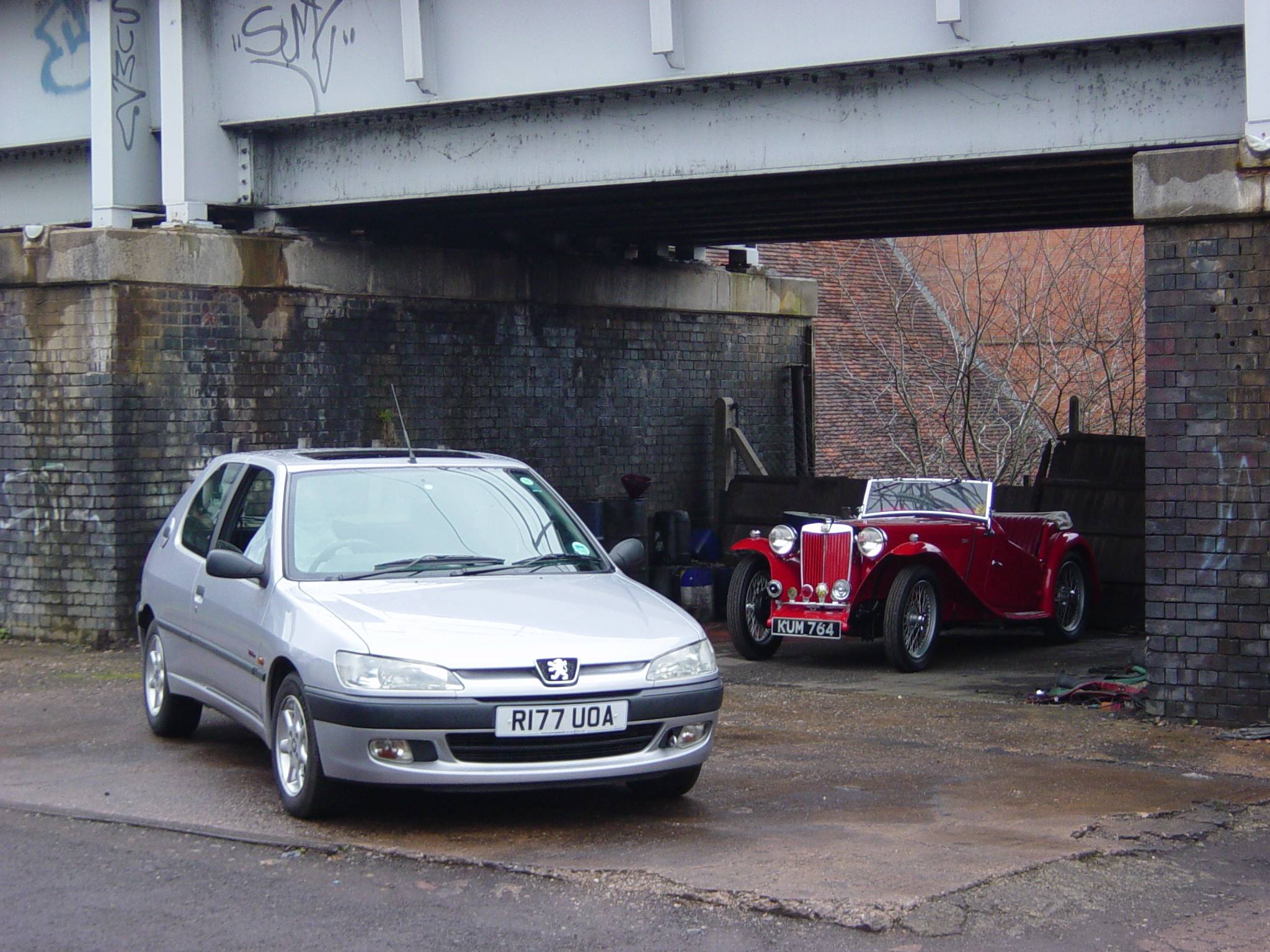
A very expensive car. And an MG TC

A very expensive car. And an MG TC

‘Satine’ was a 1997 Peugeot 306 DTurbo 3-door in silver. I still rate the 306 as the last attractive car Peugeot ever made. It possessed lovely, clean lines that were replaced by the bloated hideousness of the 307. Satine had the 1905cc XUD turbo diesel engine, producing 90bhp. It was almost a sensible purchase. Surprisingly cheap insurance, good fuel economy and good reliability in no way made up for the crushing financial woe though. Fortunately, while I owned it, I met a very sensible young lady who would one day become my wife. Almost as importantly, she pointed out what a fool I was to give in to the world of finance. The debt was consolidated, and eventually paid off (thanks to yet further income rises as I ploughed the rich furrow that is the world of Information Technology – I’m not sure how. I didn’t know anything about IT). I have never used debt to purchase another car. Which, as I’m now a penniless writer, means you now have a reason for me always driving around in crap cars. Yes, they may be dreadful, but no bankers are getting rich because of me, and this gives me a very happy feeling.

Satine survived a good couple of years in my ownership. The mileage went from 46,000 at the point of purchase, to over 90,000 by the time she moved on. I can’t remember what I sold her for, but needless to say it was a good chunk less than £6495.

Sexy rear

Sexy rear

The best thing about this money pit was the ride-handling compromise. Really, there wasn’t one. It was great fun to drive on twisty roads, yet was also composed and comfortable. Yes, you had to think a bit to keep the engine on boost, but it was properly swift but didn’t punish at the pumps. I even liked the alloy wheels, and I usually hate alloy wheels. Deep seat bolsters kept me pinned in my seat, even with heroic levels of hooning. I don’t remember a moment’s discomfort.

It wasn’t all good though – the clutch was always too heavy and the windscreen wipers annoyed me (that ‘triangle at the top of the screen’ issue). Then the central locking started playing up and it would randomly unlock itself.

On the plus side, I still fondly remember when Rachel had her first drive of it. It was the first turbocharged car she’d ever driven, and possibly the last. I did chuckle when it first kicked in and we were propelled along a little more swiftly than expected.

I sold Satine back in 2004, which it appears is a good ten years ago. Sadly, she seems to have left this world in July 2011. Even more sadly, Peugeots since then have just got worse and worse, and the British factory in which she was produced has been flattened. None of that is quite as sad as the state of my finances at the time though. I imagine my automotive exploits back then paid a good few bankers’ bonuses.

So, heed my message. Avoid the world of finance. It tricks you into thinking you’re getting cheap motoring, but you’re really not.