Daihatsu: Fitting winter tyres

Are winter tyres worth it? My experience last year suggests yes. I owned a Citroen BX Turbo Diesel at the time and I equipped it with winter tyres I had bought from a friend. I was astonished. Sure, the limits were still easily breached if you drove like an idiot – the turbocharged torque was easily able to break traction – but it was stopping that really impressed me. A hydraulic Citroen is not short of braking power and a winter skid is easily induced in snow or ice. The BX on winter tyres stopped almost as well as on dry tarmac. Incredible.

Sirion winter tyres

New rubber will soon be put to the test

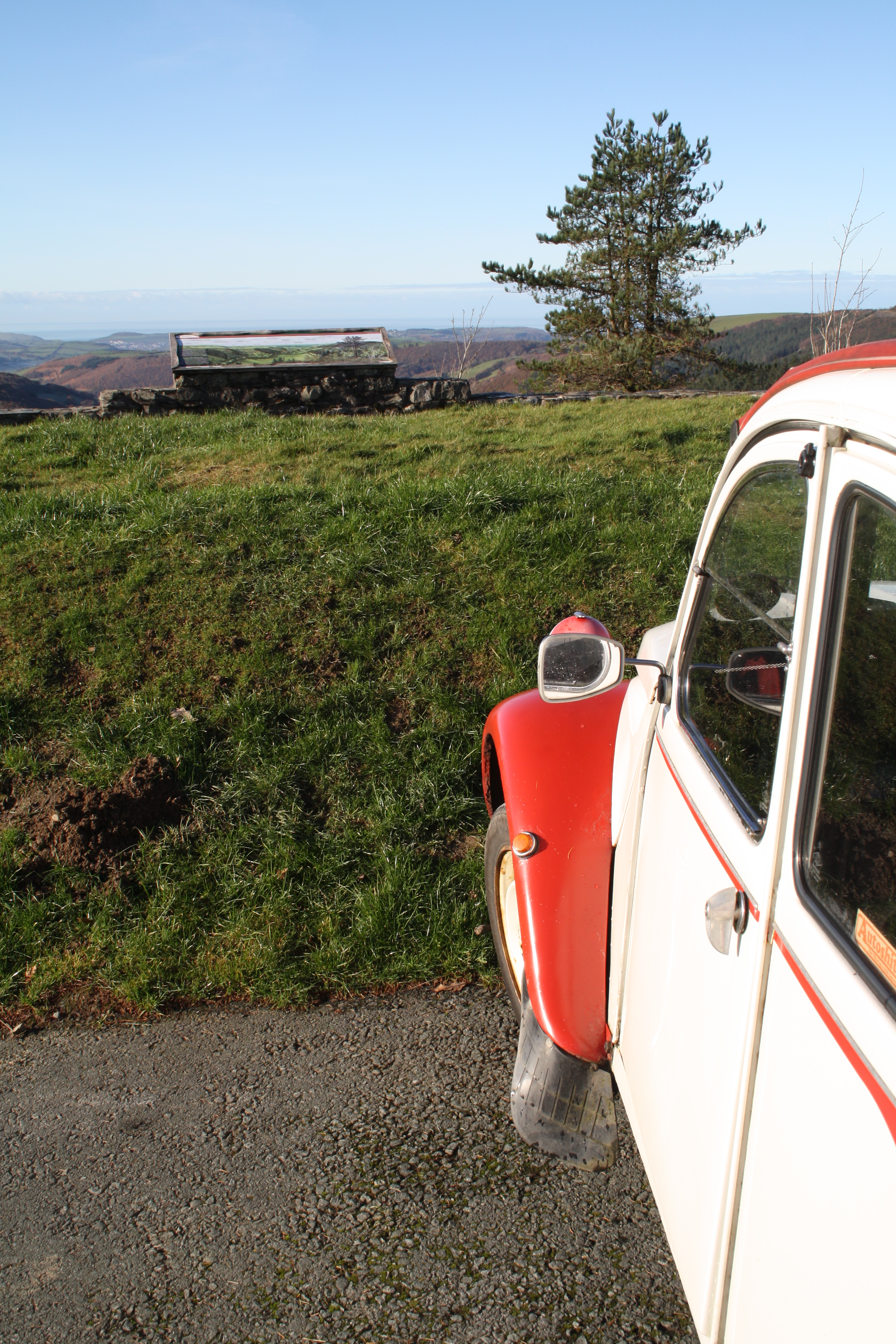
Roll on to this winter. There’s a trip to northern Scotland in the offing later this month and while the 2CV and Land Rover Discovery both have plenty to recommend them, I’ve actually decided to take the Daihatsu Sirion. The Discovery can’t hope to match the little’uns for fuel economy, and with 1200 or more miles to cover in less than two weeks, the 50mpg Sirion will create quite a saving compared to a thirsty Land Rover. The 2CV is already in a dreadful state in terms of bodywork and I’ve no particular desire to make it worse. There’s no denying that it is hard work on a long distance drive, though it has been to the northern tip of Scotland before. That wasn’t in the depths of winter though. With a few mechanical issues to resolve, I think the 2CV will be happier to shelter in my garage.

So, Sirion it is. A light, front-wheel drive car can be very good in the snow after all, though it helps to give it a helping hand. The two rear tyres were already showing serious signs of aging, with the sidewalls beginning to crack. New rubber was very much needed and as it is chilly season, I sought out winter tyres. I managed to score a set of unused Avon Ice Touring tyres for £140 delivered. Job done.

Aggressive tread. Impressive

Aggressive tread. Impressive

These tyres have a surprisingly aggressive tread pattern – the ones on the BX (Riken Snowtime) were much more like ordinary tyres. Where both really score is in the compound. They’re much softer, which gives much better grip in cold conditions – snowy or not. Note also that each tread block has its own tread – these sipes maximise surface area in snow and give greater grip.

I’ve only driven a few miles on these tyres so far so haven’t yet put them through their paces. The car doesn’t feel any different to drive, though I’d expect it to be a little more unstable if pushed really hard. I drive quickly, but I don’t like to push the limits on public roads anyway.

With the BX, I found that wear levels didn’t seem too bad, even on dry roads at motorway speeds – though being me, I didn’t really keep the car long enough to fully test this fact. Noise levels seems very slightly higher but cornering in the wet was truly superb. It felt totally planted. A winter tyre should deliver benefits in cornering and stopping power when the temperature drops below about 7 degrees C. Pretty much the next few months then I expect.

One clear demonstration of the limitations of summer tyres was revealed to us just a month or so after moving to our new home in rural Wales. We were away from home and it snowed pretty much all of the day as we battled our way home. Just touching the brake pedal going downhill would induce a skid. Even engine braking was doing so! We then got stuck a few miles from home, very late at night. If a 4×4 hadn’t turned up to rescue us, we would have been stranded. I consider myself a good driver in snow, and the Citroen BX non-turbo diesel had previously shown itself to be pretty handy in the white stuff. We were both totally overcome by a lack of grip in the end though.

A month later and fresh snowfall saw the BX stuck on my driveway. I had to deploy my Land Rover to tow it to the road. The same snowy driveway with a BX turbo diesel on winter tyres last winter was easily tackled. There really is nothing like a decent bit of grip, which is why I had no qualms about fitting winter tyres this year. You don’t need a 4×4 to live in the countryside, but you do need decent tyres.

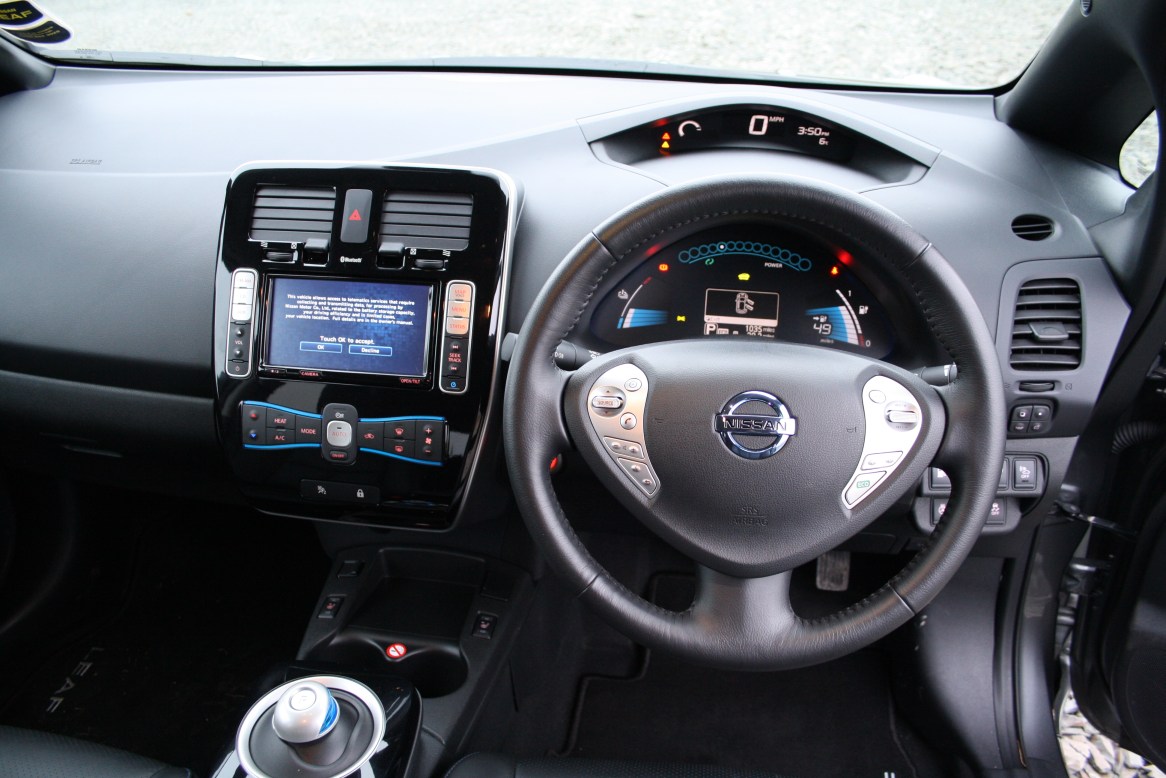
Nissan Leaf: The Full Review

A short review of the Nissan Leaf has been written by me already, and published at NextGreenCar.com. What now follows is a more in-depth review of my week with a brand new electric car. Bear with me. It’s quite lengthy.

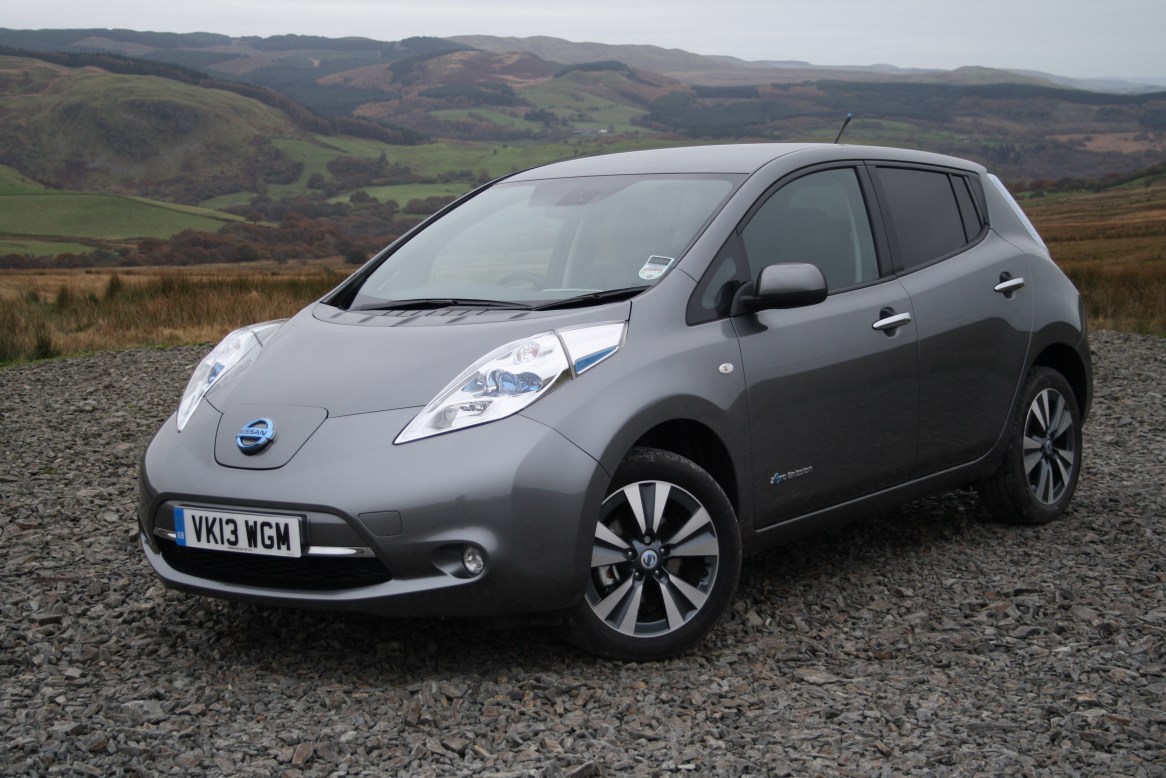
Not a classic, yet...

Not a classic, yet…

Electric cars are certainly not new. They’ve been around for almost as long as internal combustion-powered ones. The BBC is about to screen a show looking at one from the 1960s – the Enfield 8000. Like most electric cars, the Enfield suffered from a short range, much slowness and great heavyness. Heating is minimal, though the cars did include a heated windscreen, so you could at least see where you were going. Few were sold and sporadic attempts at electric power since have not come to much.

So, when Nissan decided to mass produce an electric car, launched in late 2010, it was a bold step indeed. I was curious and decided that now production was UK-based for the European market, it was about time I tried one. Who said us Brits don’t make anything these days?

The car was delivered early one winter’s day. If I was going to test an electric car, I wanted to do so in the most challenging conditions. There’s no point owning a car that’s only good in summer. Hopping aboard, it felt like pretty much any other modern car. There were lots of buttons, precious little visibility but the usual steering wheel and some pedals that we’ve come to expect from a car.

Buttons, many buttons

Buttons, many buttons

I put my foot on the brake as instructed and pressed the On button. An ‘intelligent’ key means you can clamber aboard and start up without removing the key from your pocket. Rather than growl into life, it played a little beepy tune that I feel could cause insanity after a few months of ownership. It was like turning on a smartphone. Then it was a case of selecting D with the nifty gearlever, releasing the foot-operated (and thankfully not electronic) parking brake and beginning the oddest driving experience of my life – this coming from someone who has driven a Scootacar.

A quiet, high-pitched whir is all you get by way of sound as the car creeps away. Throttle response is instant but easily moderated. The brakes are super-sharp, the electric power steering surprisingly pleasant. Coming to a halt is particularly odd as it all just goes very quiet indeed.

Over the next week, I drove over 250 miles in the Leaf, using it as daily transport. The range was typically 50-70 miles before charging was needed, though I never left it perilously low on ‘fuel.’ The ambient temperature was very low, so the climate control saw a lot of use, as did the heated seats and steering wheel. I also live in a very hilly part of Wales, so the battery pack really had its work cut out.

Being a top-spec Tekna model (with an eye-watering £32,000 list price) the Leaf had a B-mode as well as D for going forward. B gives more ‘engine’ braking, generating more power as you ease off the throttle. This gives the sort of lift-off retardation that you just don’t get with a conventional automatic, boosting confidence on twisty roads as well as generating power to keep the main battery topped up. I left it in B mode for almost all of the time. I also kept it in Eco mode a lot too. This gives you a ‘lazier’ throttle pedal to help stop you burning volts and restricts power to the heater. I would occasionally drop it out of Eco mode which to me felt like giving it a burst of nitrous oxide! Great for overtaking.

Nissan Leaf

Actually bloomin’ good

I was absolutely amazed at how quickly I got used to it. The car had clearly been very well thought out and the comfortable ride was something I really didn’t expect from a Japanese car. Well, a modern car to be honest. Most are hopeless. But I found myself soon loving the seamless power delivery, the ease of driving around town and how relaxing and pleasant it was on the open road. Sure, it’s not engaging in the way a 2CV is, but it was quick, efficient and so simple.

Sure, it wasn’t all good. The automatic wipers were hopeless and the clever reversing camera – with four cameras all-around the car to give a view akin to Grand Theft Auto – was only good until the lenses got dirty. Minor switchgear was carelessly placed too. There’s that range too. When I needed to get to Birmingham and back, I was forced to use a petrol-powered car. It was the only realistic option.

A nice gimmick, until the lenses get dirty

A nice gimmick, until the lenses get dirty

But I don’t drive to Birmingham and back everyday. For pottering (or even blasting) around my local area, it was ideal. I was genuinely sad to see it go. I love quirky cars, and they don’t get much quirkier than one without a conventional engine. I was astonished at how competent, comfortable and enjoyable it was to drive. Even with its range limitations, it did feel like a car I’d be very happy to own.

Nissan has been working to address other concerns too. Battery life is the elephant in the room for electric cars, but you can now lease the batteries, so they’ll be replaced if their efficiency drops below a certain level. No-one really knows how long that will take, but the new breed of fast chargers will certainly eat into battery life. Trickle-charging overnight is still best.

And I found that no problem. I’m fortunate to have a private driveway and a power socket within easy reach of the car. A full charge cost me a few quid and got the car 70-ish miles. Of course there is no fuel duty to pay, no road tax (it’s free) and servicing should be cheaper too (every 18,000 miles). Sure, there are concerns about the capacity of the grid to supply enough power for electric cars, and other environmental concerns too – where does the electricity come from and what about the chemicals in those batteries? For sure, the electric car is not the absolute answer to environmentalists’ concerns.

But the Leaf does feel like an answer. Sure, it’s not perfect but it is a really nice car with genuine benefits. It is the first British mass-produced electric car and perhaps the first electric car that can be taken seriously.

What I really love though is that other manufacturers have joined the race to go electric. Hybrids have been around for a while, but the latest breed use petrol engines purely as generators. Some still use battery power to boost performance and efficiency – like a Formula One racing car. Others use the petrol engine purely to extend the range as battery power drops – the BMW i3 being a key example of this.

For the first time in decades, the new car market is awash with variety and I’m starting to take interest again. It raises some very interesting questions about the classics of the future and I feel genuine excitement about where the future will take us. Electric cars make more sense than they ever have done. Will they start to take over from petrol? Only time will tell.

Back onto a diet of petrol

Ok, so my last post had be considering a move away from petrol. That would be nice but as I don’t have the £32,000 handy to buy the Nissan Leaf I spent a week with (full review still pending) I’ve naturally had to go back to my petrol/diesel bangers.

It's good to be back

It’s good to be back

You’d think that the brilliant nature of modern cars would mean I was in for something of a comedown, but not so. On Saturday, I drove all three of my vehicles to fully settle back into the way of things to which I am used. I’ve driven a fair amount of cars over the years, but hopping into my 2CV still fills me with a joy that other cars can’t match.

Quite how a French utility wagon designed for carrying sheep, eggs and a couple of farmers across a field is so enjoyable to drive I have no idea. It is very much a car you have to drive, and it lets you know about your swift progress by battering your ears like a Motorhead concert. I’ll be using my new, sound-filtering ear plugs tomorrow to avoid deafness.

This afternoon, I set about the less enjoyable task of greasing the various greasy bits. I also adjusted the ride height as it was 1cm lower on the  driver’s side – not very flattering for the driver. I’ve been meaning to do that for about a year now. My preparations are because I’m using the 2CV for a 300-mile round-trip to The Midlands. I keep utterly failing to use the 2CV for long-distance trips. I need to get over myself and give her a good run out. After all, she’s without doubt the most comfortable vehicle I own at the moment, if not the most economical (45mpg vs the Sirion’s 50+).

My use of the 2CV has really tailed off over the past few years. Incredibly, she clocked up 15,000 miles in one year back in 2005. She was getting a lot of use back then. She’s only covered 1500 miles since June, which is rubbish. Noise has been one big issue restricting the use of her for long trips. My hearing has been damaged over the years and I’m sure it has a lot to do with driving 2CVs. Let’s hope the ear plugs do their thing and that I can properly rediscover the magic of 2CVing. After all, whenever I do a long drive in any of my other cars, I always seem to find myself wishing I’d taken the 2CV.

Perhaps I’m not a petrolhead after all

A bold statement but after spending a week with an electric car (reviews of which will appear at a later date) I’ve been very, very surprised that I can enjoy a car with no engine.

An enjoyable car, with no engine...

An enjoyable car, with no engine…

To those who don’t understand such matters, perhaps that isn’t such a shock. I know that some people, including my good lady wife, just can’t really comprehend why the firing of a certain number of cylinder is preferable to a slightly different number of cylinders. You either ‘get’ engines or you don’t. Naturally, I do. Whether it’s a screaming V8 dragster or the lusty grumble of a truck-size turbo diesel, I love the way that an internal combustion engine provides fitting sounds while it works. Just starting a vehicle feels like actually bringing it to life. Turning the ignition key of my Citroen 2CV really does feel like grabbing a lead and shouting ‘walkies’ to your favourite pooch. Though of late, it often seems that the 2CV looks at the weather and decides that going out is a bad idea.

But, I found myself clocking up 300 miles in a Nissan Leaf and really enjoying myself as I did it. For all their benefits, internal combustion engines have many downsides. I love torque. Most petrol engines (this side of a meaty, fuel-slurping V8) don’t have any. So, you have to rag them silly. Quite enjoyable in a 2CV or Sirion, but about as relaxing as hosting a children’s party, with E-number loaded jelly.

Diesels aren’t much better. Oodles of torque yes, but accessing it isn’t always fun.  Non-turbo diesels have linear power delivery, but not very much of it. Turbo diesels just don’t work. No, I’m right. They don’t. They’re almost always laggy and even with modern diesels, if you catch them off-boost, they display all the pace of Stonehenge. These days, they’re absolutely loaded with emissions kit and are highly stressed so things go wrong. Especially when you load them with Dual Mass Flywheels and Exhaust Gas Recirculation valves.

With the above in mind, perhaps it’s not so unusual that I found the power delivery of an electric motor really rather wonderful. Press the throttle and the response is, er, electric. Instant power, instant torque.

Transmissions are another problem. I like manuals, but there are times where a self-shifter is nice. The problem is, there isn’t an automatic out there that doesn’t get it wrong from time to time. Modern autos in particular are far too keen to kickdown, sometimes through several of their up-to-eight ratios. This leaves us trying to relax at kiddie party time again. Autos with manual control are no better because if I’m having to think about what gear to be in, I might as well just get a manual and enjoy better fuel economy. An electric motor effectively has no gears. There’s forward and there’s the other way. It took all of about five minutes for me to forget about gears. They suddenly seem rather quaint and old-fashioned.

It seems to have taken far too long for electric cars to get good, but they now seem to have done just that. Sure, range is still an issue but only for longer trips. I’m sure the batteries are not very environmentally friendly to make either, but sucking oil out of the ground didn’t seem all that friendly to Mother Nature the last time I looked, and where does all that platinum come from to make ‘green’ catalytic converters?

Now, my only problem is that, given the state of my fleet, I’m going to have to wait for 15-20 years for electric cars to fall within my price range/interest level. By which time the batteries will probably be junk and hydrogen fuel cells will have taken over. Oh well. The price I pay for being dangerously old-fashioned I guess. S’pose I could always consider converting the 2CV…

Discovery – saving the hopeless

Apologies for the quiet spell. I’ve been very busy playing with a brand new electric car, tackling the annual classic love-fest that is the NEC Classic Car Show and buying unnecessary musical instruments.

After some quite major surgery, the Discovery is very nearly ready for the road once more – with winter about to hurl some entirely expected weather our way. I didn’t own a 4×4 last winter and…things were absolutely ok. There is comfort from all-wheel drive when grip levels begin to plummet though, even if I am not one of those muppets who thinks a bit 4×4 can somehow defy the laws of physics. I still drive for the conditions!

Getting the Discovery back will be pleasing though. It now contains many less holes and boasts actual metal in many new and important places – such as the floor and sills. My welding friend suggested it was only luck that had prevented me falling through the footwell as the strongest part of it appeared to be the carpet.

Driver's footwell was well ventilated

Driver’s footwell was well ventilated

Dave is a handy fabricator though, and he was soon letting new metal in all over the place. Once he was done, I covered all new metal in zinc-rich primer and then added a top coat. The only paint I had kicking around was a tin of Tobacco Leaf – a delicious, non-PC shade that adorned the Rover P6. Fittingly, these Rovers were built in the same factory as my dear old Disco, so I felt it was fine to use. These sections will be out of sight once the vehicle is back together again, and Tobacco Leaf is pretty much the same colour as mud anyway.

The sills went from this:


Initial 'Discovery' of rot

Initial ‘Discovery’ of rot

To this:

Tobacco Leaf sills

Tobacco Leaf sills

The welds aren’t neat because they won’t be seen anyway. Spending time grinding them down seemed a bit excessive.

Mind you, some might say that spending £300 on welding up a tired, rusty £450 Land Rover was a bit excessive. They’re probably right, but I find myself becoming rather fond of this clapped out relic. My plan was to buy cheap and fix it if I liked it. It’s a simple plan and like many simple plans, it works and makes me happy. Now I need to try and stop some of the water leaks so the new floor doesn’t go the way of the old one. But stopping a Land Rover from leaking water is like trying to stop the Earth from turning. I feel a challenge coming on.


Daihatsu Sirion: 1500-mile review

In a month of ownership, the Sirion has been busy, clocking up 1500 miles. So, how is it getting on?

Sirion

Am I bored yet?

The answer is remarkably well. It is proving to be the ultimate cheap motor. £370 paid and so far all it has needed is a bit of engine oil for topping up and a set of wiper blades. It seems to be delivering between 43 and 52mpg, which is all the more remarkable when you consider that I have found a fuel leak in the filler pipe – or it might be an overflow pipe. Either way, not filling the tank fully solves the problem for now!

There are inevitably downsides though. The crashy ride is far from joyous, the steering is still too light by far and the driving position is still not ideal. Fortunately, it remains great fun to drive and eats up miles very merrily, even if comfort is a bit lacking. It does seem to burn a bit of oil but the oil control rings apparently get gummed up, often at 70,000 miles. It has covered 71,300. I may try an engine flush at the next oil change to see if that improves things.

Really though, the Sirion proves what insane bargains are out there – and that buying a cosmetically-challenged-but-sound car can be a risk worth taking as long as the mechanicals are healthy. The Sirion certainly does look much better now most of the graphics are gone and I’m confident that if I felt the need, I could sell it for more than I paid for it. I wonder if that theory will get tested?

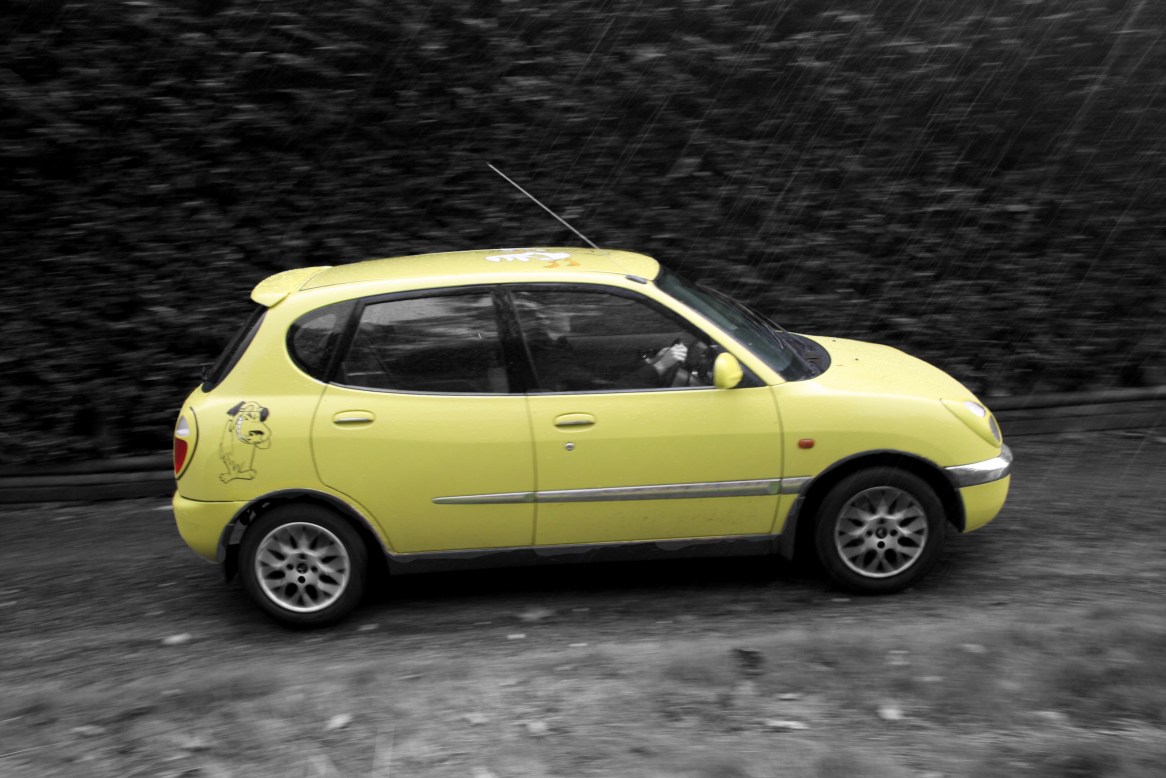
Sirion arty

Not always comfortable, but huge fun!


A weekend with an MG RV8

Ten years ago (and a few months) I’d reached the age of 25. This meant I could do a lot of new things. Like hiring a really nice car!

A non-hairy me and a V8 powered mean machine

Thanks to The Open Road near Stratford Upon Avon, I was able to swap the 29bhp of my 2CV for 190bhp of glorious V8. This was before I even considered getting employed as a classic car writer, so it really was a dream opportunity. I seem to recall we covered 200 miles in one day alone, and that we seemed to make a lot of visits to petrol stations.

Every village was an opportunity to burble through at 30mph, before burying the throttle as the National Speed Limit signs appeared to enjoy the tantilising soundtrack of an eager V8, and the shove in the back as the car dashed towards the horizon. Addictive stuff. Even my new girlfriend enjoyed it. She’s now my wife.

The car wasn’t a keeper, but the smiley lady was!

If anything, I spent too much time with the car – long enough for the horrifically poor ride to become very tedious indeed, and for the nasty plastics of the interior to really get on my nerves. I wasn’t that upset to swap the keys and return to the delights of my little Tin nail. My passenger for the day I found rather more enjoyable on a long-term basis, so I married her.

The biggest problem with this day is that I decided I couldn’t live without a V8 in my life, but I wanted rather more comfort. So I bought a Rover 3500 and discovered a new world of pain and pleasure

Discovery – rotten sills

While I’ve been healing, I’ve done very little driving in the Discovery. But good news – my thumb is much better! I can now drive all of my cars again and, as I discovered this afternoon, I can work on them again too!

The Discovery was lucky to get through the MOT due to sill corrosion. It was an advisory item because most of the rot was hidden by a sill cover, which the MOT tester is not allowed to remove. Me and my mate Dave are fully qualified though, so we pulled off the trim.

Initial 'Discovery' of rot

Initial ‘Discovery’ of rot

As you can see, it was properly rotten. Thankfully, rot seemed to be confined to the outer sill – the inner generally seemed sound. Gaining further access to the sill isn’t easy. A Discovery 3-door becomes a real challenge if you need to replace the sills. A common bodge is to just cut the lower bodywork. That’s a clumsy way to do it. We opted to drill out the spot welds holding the outer panel in place, which allowed us to wedge it out of the way.

Drilling out the spot welds allows this panel to be moved

Drilling out the spot welds allows this panel to be moved

Naturally, things were a bit grim behind there, but not as bad as they could be. There’s an inner skin of steel, which had started to corrode. This is because road muck from the rear wheels gets forced into the cavity, but it’s impossible to clean it out, so rot can merrily start. Further surgery was required though. It was time for power tools.

Cutting away the rusty metal

Cutting away the rusty metal

The key to a good repair job is to get rid of as much rusty panelwork as you can. You must find good metal – there’s no point leaving rusty stuff as it’ll just make your new repair fall apart. As we dug and dug our way in, I had to start stripping the interior out to prevent it catching fire during grinding/welding.

Some fabrication needed around the body mount

Some fabrication needed around the body mount

By the time I had to leave, my mate Dave had got to this stage. More of the inner sill needed removing that we first thought, but that’s the nature of rot-busting. Once all the rot is gone, Dave can get on with fabricating repair sections in nice, thick steel. I was tempted both by complete replacement sills and the idea of fitting seriously beefed up ones. I’ve decided I prefer Dave’s fabricated approach though, which will use good metal, only replace what needs replacing and by the time we’ve finished, will hopefully leave it looking pretty much stock.

I’ve decided that I don’t want a monster truck. The closer this vehicle remains to factory, the better.


Cannot drive 2CV, do not like

On Thursday, I attempted to drive the 2CV for the first time since hitting my thumb rather stupidly with an axe. It did not go entirely well.

Just starting a 2CV becomes a challenge if you cannot use your left thumb. As it was, after more than a week of sitting around in exceptionally damp weather, Elly wasn’t awfully keen on starting. Fair enough. We should have cleared out the garage so she could hide in the dry. She got there eventually though and off I set, discovering that releasing the handbrake was now a struggle.

Things were ok at first but then I exited our village and had to select fourth gear. Again, this is very difficult to achieve if you have a damaged thumb as you need to twist the gearlever. My thumb was also getting perilously close to the dashboard every time I went for second. I was reminded how close your hands get to the windscreen at the top of the steering wheel too.

So, it was a frustrating experience overall and I was forced to conclude that 2CV hooning is just going to have to wait for my thumb to heal.

In other fleet news, the Discovery is away awaiting sill reconstruction prior to a bout of greenlaning next Saturday.  I can drive the Disco quite surprisingly easily with my bashed digit, which is some relief. The Sirion is also easy on the thumb and has now clocked up over 600 miles in a week. I’ll be off out in it again later. It is the perfect ‘jump in and go’ car.

Apologies for the lack of posts lately and the lack of pictures. Fleet shenanigans are largely on hold and I’m just sitting around trying to heal and not bash my thumb on things like logs and stoves. Not entirely successfully but we need to keep warm! Hopefully it won’t be too long before normal service is resumed.

Sirion: Good distance vehicle?

On the face of it, a 989cc, three-cylinder city car is going to be pretty hopeless on a long distance trip. Happily, having just driven the Daihatsu Sirion to Sussex, I can confirm that it’s really not too bad.

Sirion suffers ‘considerable’ stress from Skittles-box storm damage

As you can see, the ‘Yellow Peril’ wording on the bonnet has been entirely removed now – a concession forced by my other half. I really couldn’t complain, especially as my good lady would have to share the driving on our lengthy cross-country drive.

The drive itself was quite pleasurable until we hit flooding in Sussex. In the dark. An 80mph run along the M4 hurt the economy a bit – it dropped to 43mpg – but that’s still considerably better than most cars I’ve owned. The only issue was comfort. Neither of us could really get the seat in a position that didn’t leave our right leg hurting. Quite frustrating as otherwise the car is quiet and well mannered. Rachel didn’t like the over-light power steering at motorway speeds but the air conditioning kept us from steaming up without cooking.

We’ll try to take the drive home a little steadier and perhaps I can get it back up to the dizzy heights of 49mpg. Here’s hoping!