Rover 416: Residue Removal

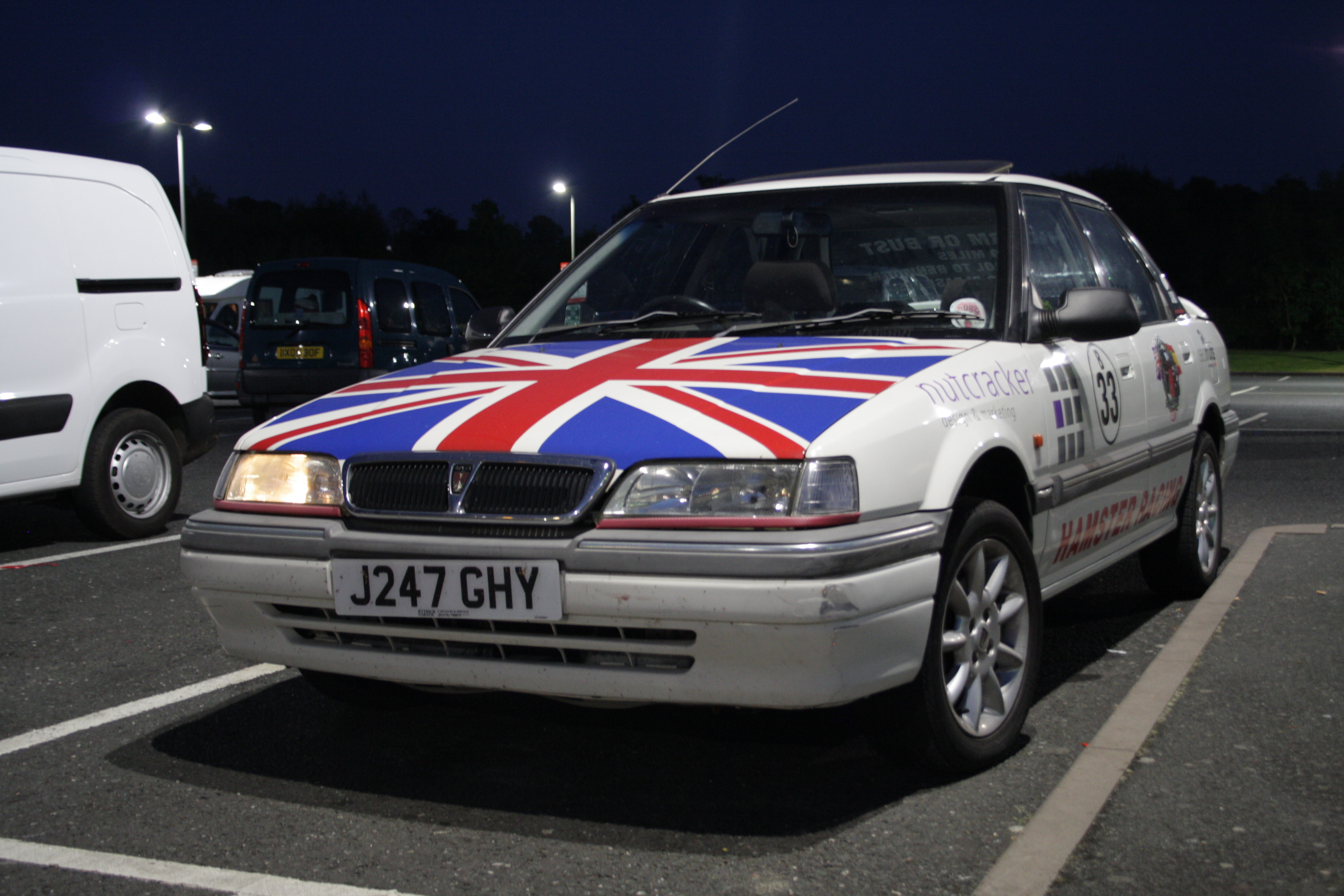
I’d hoped to have started work on one of my videos by now, but I had a sticky problem. As you’ll recall from yesterday’s Blog, the Rover came covered in stickers. Most were removed yesterday, but some nasty residue was left.

Being keen as ever to avoid spending money, I raided various cupboards for various potions. WD40 can sometimes be good, but not this time. White Spirit was similarly hopeless. Brake and Clutch cleaner was very, very good, for a few seconds. Then you were left with an even bigger sticky mess than you started with. I even resorted to petrol, which did remove the residue, but turned it into very sticky, petrol-stinking globules. Even then, I was still having to use a credit card (not an actual credit card obviously as I hate them) to scrape the sticky gunk off. Ugh. Horrible!

Eventually, I dug out my bottle of Turtle Wax Bug and Tar Remover. It doesn’t spray particularly well, but it doesn’t evaporate either. I gave areas a good soak, then rubbed very lightly with a cloth and left for another minute or two. Then it was out with the non-credit card again for yet more scraping. Bloomin’ hard work, but the gunk I was scraping off was at least not sticky with this treatment.

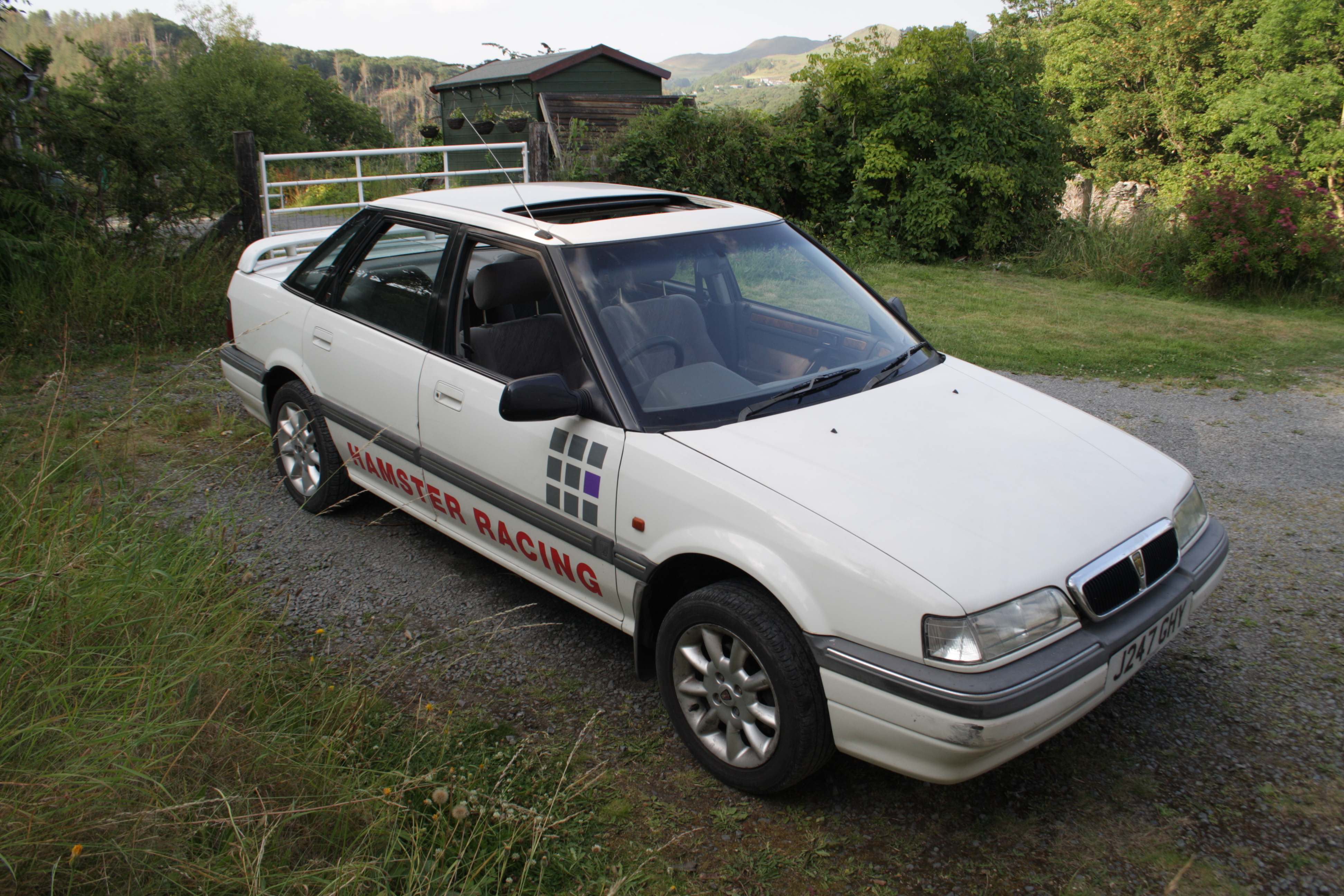
The end result is a car that now looks really good from only a few feet away rather than at least 30 feet.

A couple of day's of graft have paid off well

A couple of day’s of graft have paid off well

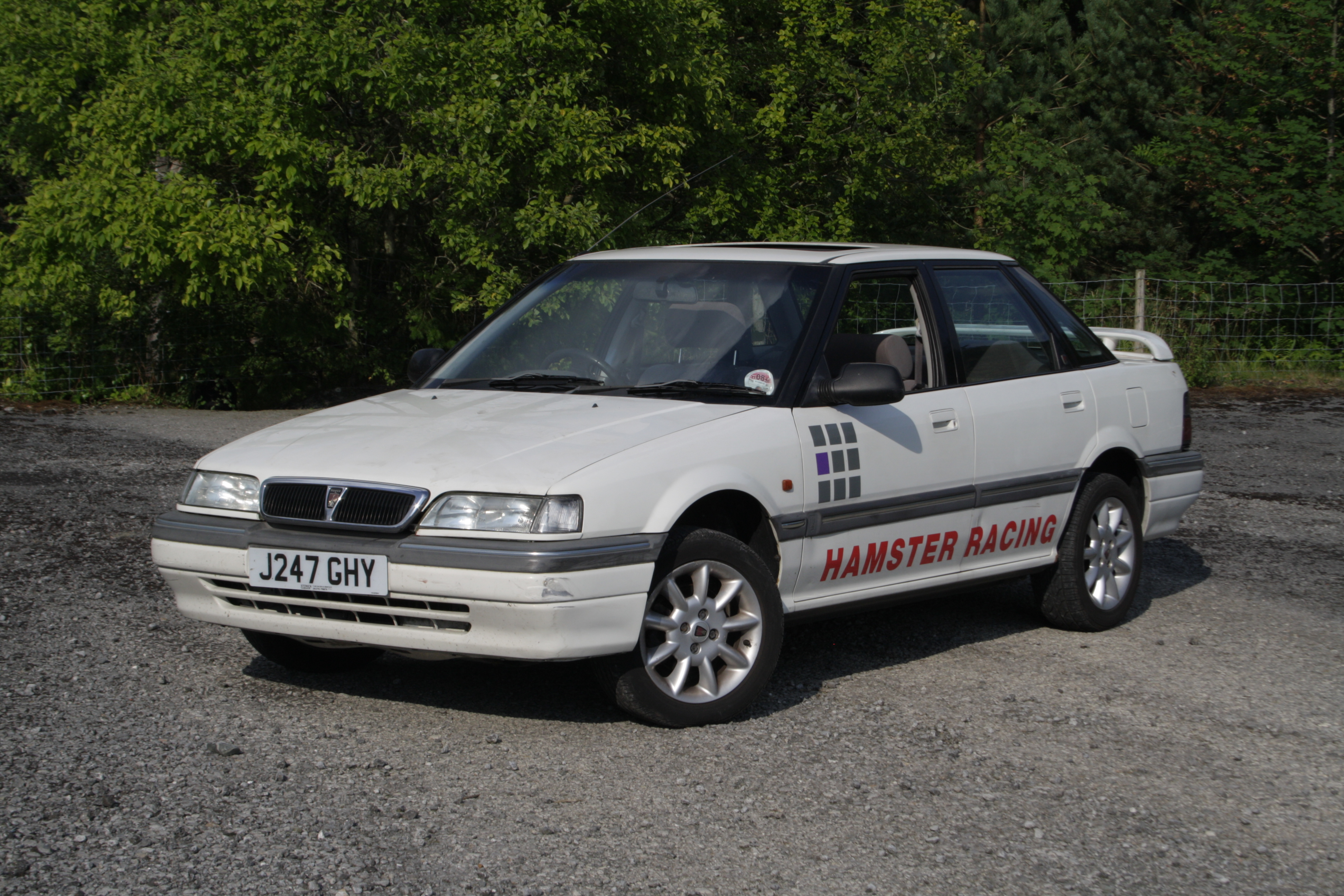
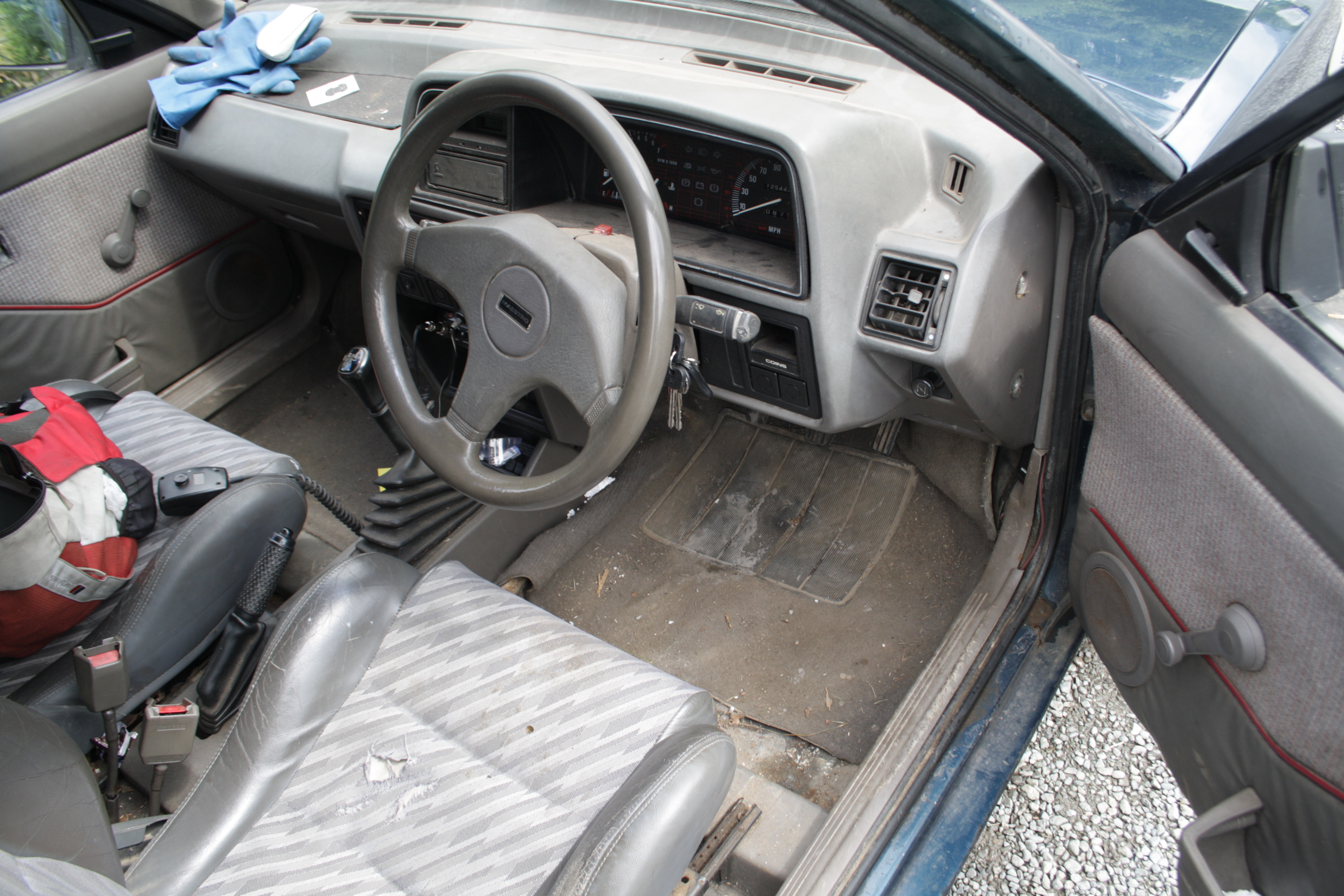
Yes, I’ve left the blocky door graphics and Hamster Racing stickers for now. I quite like them. It has been very fulfilling to see the car emerge from its stickered state. I’m up to about 160 miles in it now and I’m really enjoying it. With the 108bhp Honda D16 engine under the bonnet – a single-cam but 16-valve unit – it has more than enough power. Not that it’s a rev-heavy monster – it really isn’t. I love the generous spread of torque it possesses. Most unusual for a multi-valve engine, but perhaps due to the unusually long-stroke – 90mm compared to a 75mm bore. That’s unusual at a time when ‘square’ engines (where bore and stroke are very similar) were the rage. For instance, the K-Series has a 79mm bore to 75mm stroke – great for power, but not so good for low down grunt.

Boring stats aside though, the engine suits the car very well. It doesn’t feel like a car to fling into corners with abandon in the same way that it doesn’t feel like it wants you to utterly thrash it. That said, it is very composed when cornering, it’s just that the numb steering doesn’t really encourage you to go for it. It almost has that classic Mercedes-Benz feel of making you just want to relax. What’s the rush? You don’t get stressed by gearchanges either, as the shift is delightful and rarely needed. It’ll slog its way up hills with no downchange needed. Wonderful.

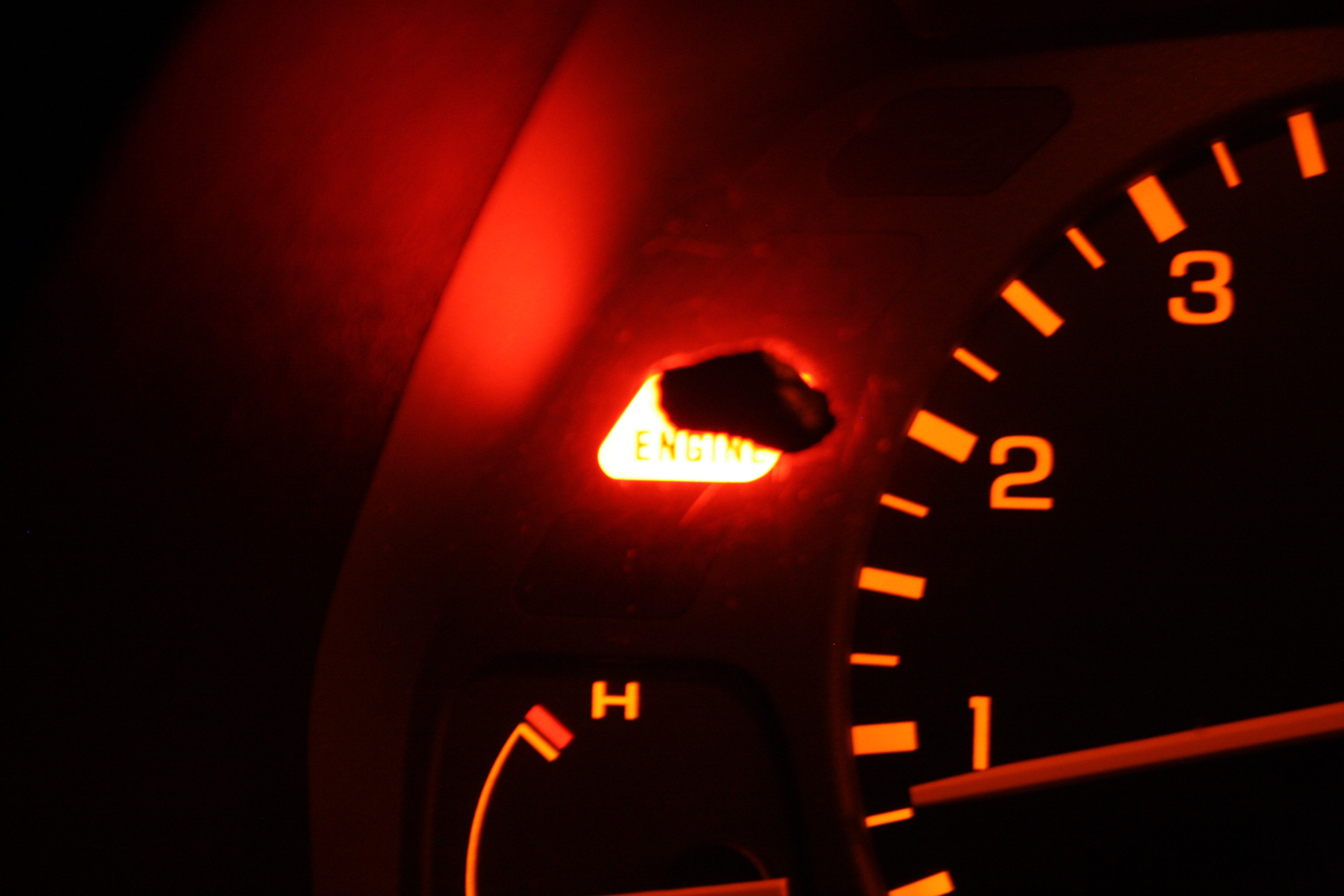
There is still that Check Engine light, but reading the blinking light on the ECU tells me it needs a new Lambda sensor. Shouldn’t be too expensive if I can get the old one out of the exhaust manifold… At least it’s nothing serious.

“How will I get home?” Part 2: The steed

Part One Here

Having said goodbye to the Maestro van and it’s happy new owners, I now had to do that public transport thing. A browse on my phone told me I needed two changes. I bought tickets – £2.30 well spent – then went and asked at the ticket office which route I’d actually be taking! The lady told me, then said my train to Birmingham New Street was about to depart. I said thanks and ran to the platform, forgetting the route as I went.

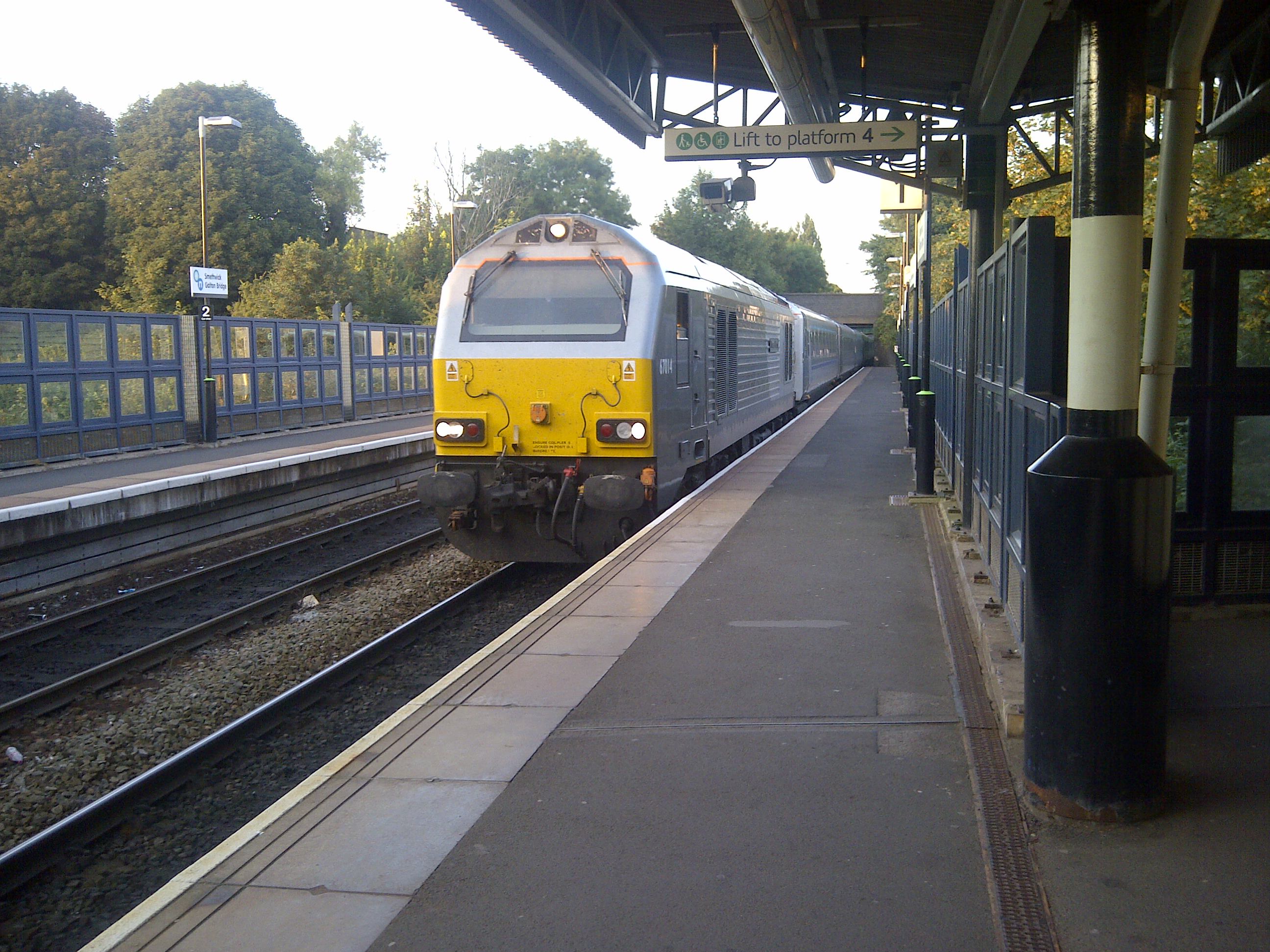
I quite like a bit of rail travel, and I do mean a bit. There’s something very interesting about the comings and goings – all those human stories going on all around you. However, I’d committed. I wasn’t going to catch a 3-hour train home, I was going to catch 3 trains and buy a car! At New Street, a very helpful guard from London Midland told me not only where to get off the train, but also how to find the next one. It was at some Smethwick station I’d never heard of and it seemed to have several levels. There, I caught a train that looked like it had steamed straight out of the eastern bloc.

I've never seen a train like this one before

I’ve never seen a train like this one before

No destination board, no helpful signs on board, though the seats were fabulous. I settled back and eagerly awaited an announcement to tell me I was on the correct train to Stourbridge and not heading off to Siberia. Thankfully, it came. Some time passed, and I eventually arrived at Stourbridge Junction. Here I was collected by the owners of my new motor vehicle. After a spot of sight-seeing (they were checking out an MGF they’d spotted for sale) we arrived. A rudimentary check was carried out, paperwork signed and the Maestro van balance was handed over. Just £300 and I had a newer car with tax and test and a collection of stickers that needed removing.

A quality purchase and no mistake! I think

A quality purchase and no mistake! I think

It was an unusual experience. I’d not driven a Rover R8 (these 200/400 models) since my Dad owned a 414Si many moons ago. I seem to recall that after a session on a private test track, I discovered that the steering was horribly light at naughty speeds. Sorry Dad. Some things never change. I found myself on the M5 before long, and the steering was rather too light at speed. There is a shimmy at the wheel too, so I’ll get the wheel balancing checked.

It goes nicely though. It’s an engine that’s quick to rev, but not particularly punchy. Perhaps the unfashionable long stroke is to blame for that. To be honest, I’ve always felt that this engine was a waste of space given how enthusiastic the K-Series 1.4-litre engine is. That has 96bhp compared to the 108 of this model, but there’s very little real world difference. Maximum torque is produced at a rather high 4800rpm but the torque curve seems quite flat. It’s an engine happiest between 2000 and 4000rpm, which is good. I didn’t want to rev it as I’ve no idea when the timing belt was last replaced…

The clutch isn’t ideal. It has a long travel but is also very light with little feel. I remember feeling much the same about a later Rover 414 ‘bubble’ we owned a few years back. It ate up the motorway miles with little drama though, demonstrating an excellent main beam but letting the side down with a somewhat jiggly ride. Perhaps the alloy wheels and 55-profile tyres are to blame. They’re not really my cup of tea (and nor is the boot spoiler, taken from a 200 hatchback).

How to deal with a 'Check Engine' light

How to deal with a ‘Check Engine’ light

It wasn’t all plain sailing. The seller had admitted in his advert that the Check Engine light kept coming on – but as he’d driven to Benidorm and back without issue, he’d decided not to worry about it. I attempted to cover it up with some random black gunge that was dotted around the interior.

After a quick stop at Telford, I decided to remove some items from the boot that were rolling around. I should have left them as I accidentally dropped the heavy bootlid (because of that spoiler perhaps) and bent the latch. No chance of fixing it so I had to push on with another warning light displayed. Perhaps the spoiler actually does generate downforce (yeah, right) as the bootlid stayed pretty much closed all the way home.

The drive home gave plenty of room for reflection. I hadn’t got the car I wanted, but I had got a nice car. My 600 dreams will have to remain on hold for now, but I shall enjoy some Rover/Honda motoring in the meantime. Work has already started on stripping the stickers off. My fingers are very sore!

Here’s how she looks now.

Most stickers gone, some residue remains

Most stickers gone, some residue remains

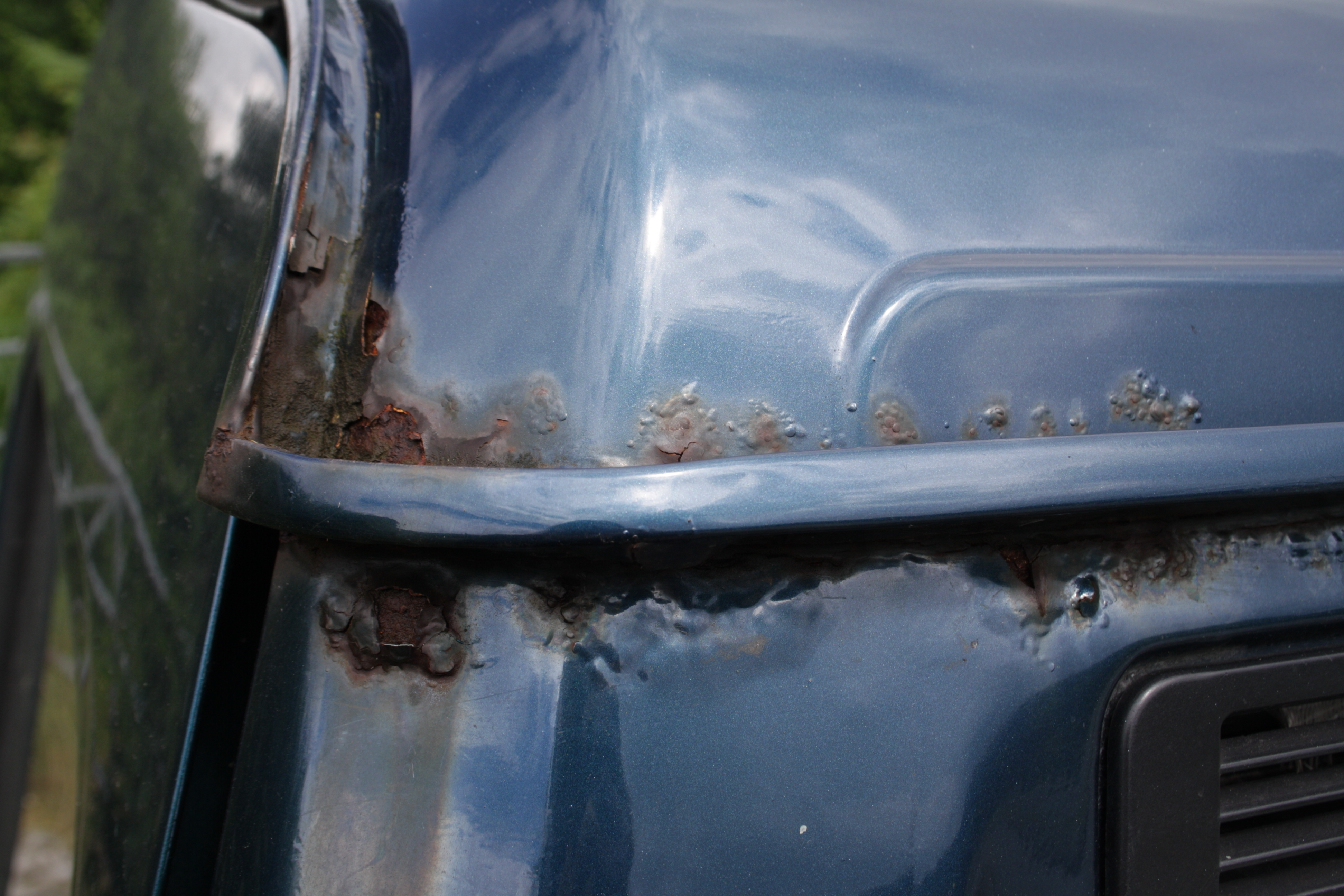
There’s a good car starting to emerge I reckon, though I did accidentally wire brush a hole in the nearside sill! A common rot spot. Even with the wrong grille and silly stickers though, it’s a reminder that the R8 was a really good looking car.

Yes, wrong lights too, not as wrong as spoiler!

Yes, wrong lights too, not as wrong as spoiler!

So, naturally any new car has a To Do list. What’s to do here? Firstly, more stickers need to come off. I’m not planning to get into Hamster Racing anytime soon, though I do like the block pattern on the front doors. In mechanical terms, I need to deal with a loose catalyst shield. It rattles in a rather unsettling manner, removing the acres of streed cred that driving a sporty Rover provides. I’m going to have to have a good hard think about the timing belt too. I may be able to do the work myself, which would help. I aim to find out what’s wrong with the Check Engine light too. There are some simple on-board diagnostics.

I’ll see how I get on with it though. I suspect it’ll stick around longer than the Maestro van did, but only because it isn’t a van. It’s so nice having visibility again!


“How will I get home?” Part One – Delivery

This is a long post so please bear with me. It details yesterday – a day of adventure, discovery and reckless blind purchasing!

I left home at 9:30 and headed to Telford. The day started badly when I miscalculated how long it takes to drive to Telford. I was aiming to be there for 11am, my sat nav just laughed and said “no chance!” I was determined to prove my sat nav wrong, as it can be a little too smug. However, traffic conditions on the A470, A489 and A483  conspired against me. I was in the Maestro van (I’ll get to why later) and enjoyed the overtaking grunt it, rather surprisingly, possesses. However, every time I got past a truck, there was another one. Or a tractor. Frustrating.

There were two reasons for going to Telford. One was to check out a Volvo 940 I’d spotted on Ebay. The second was to meet someone who’s assisted with a feature I’m writing. I was half an hour late for the Volvo visit, and apologised for such tardiness. However, the car wouldn’t start. That was the end of that. I headed off for my other appointment, which ended up including a short spell of greenlaning.

After that, my plan was to go and check out a Rover 600 diesel I’d also spotted on Ebay. I’ve never owned a 600 before and it really must happen at some point. Perhaps this was my chance. It was a marvellous opportunity. The Maestro van buyer, who’d already paid a deposit, agreed to meet me at Birmingham International station. If the Rover was alright, I’d ask the buyer to give me a lift to Coventry or get a train. Then I’d drive home in the Rover. Sorted!

It was an ambitious plan. Perhaps too ambitious. I didn’t want to believe my sat nav when it directed me to a particularly dishevelled looking car sales yard. I couldn’t see another one though. I bravely wandered in. The car was in their overflow yard. One of the chaps jumped into my van with jump leads and we proceeded up the road. The car had clearly been sitting for a while, which was odd as the Ebay ad said it had an MOT from June. The jump leads were knackered and eventually we gave up. Even a Mitsubishi Shogun failed to provide enough juice through the frayed leads. So, back in the van, grab a jump pack and finally, the thing ran.

I drove it around the yard and found it was ticking a lot of boxes. Then we drove back to the main sales plot – the chap driving my van. The Rover had a wheel wobble but seemed ok really. The airbag light flashed occasionally and I reckoned the nearside rear arch would need some welding before too long, but not bad. That’s when we discovered it didn’t actually have an MOT. I was a bit annoyed by this stage. When the bloke said “I’ll put a fresh MOT on it but won’t take a penny less than £500,” I considered the entire lack of any service history, the 181,000 miles, the engine bay piping held together with cable ties and decided to go for a drive.

The perfect car. Almost.

The perfect car. Almost.

I drove aimlessly in search of tea and wi-fi until I remembered my friend Charles lives in Balsall Common. He duly took a break from tinkering with Citroens to provide the required essentials and we sat down together and browsed Ebay. A 200,000 mile BMW 316 coupe (E36) was very local and only £400. Sadly viewing wasn’t possible.

I’d tried messaging a chap selling an ex-Banger rally Rover 416 with no joy via Ebay. Then a friend tagged me in a post on the AROnline Facebook page, where said car was being advertised. Communications ensued but by now I had to meet the van buyer. Off to Birmingham International I drove with a deal still not done.

The van buyer was delayed. This was very helpful! I sat in the van and phone conversations were held. “Hello. Can I buy your Rover? I’ve just sold my van and need to get home to mid-Wales!” The man from Stourbridge, he say yes!

The deal is on (this is the last shot featuring the Maestro)

The deal is on (this is the last shot featuring the Maestro)

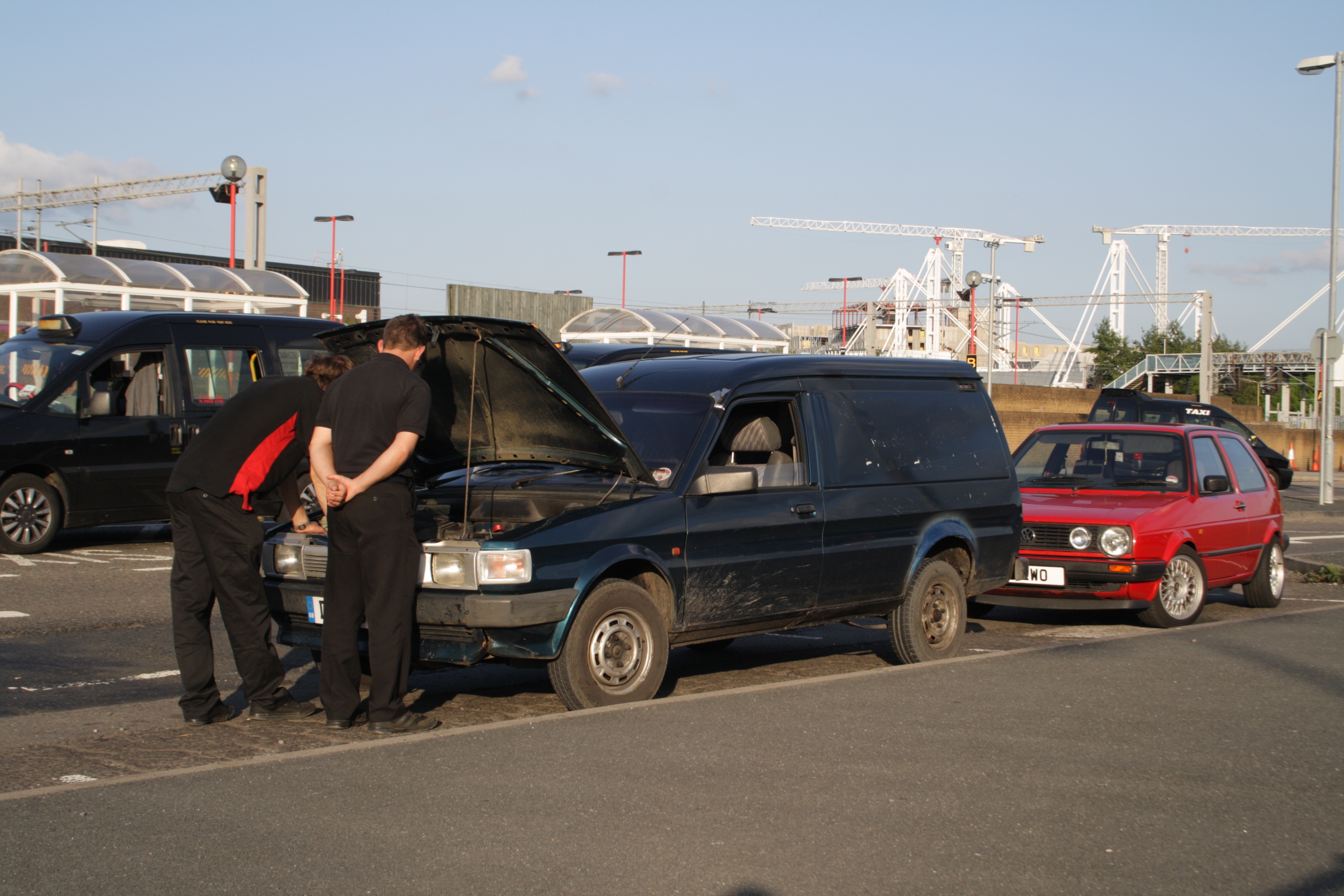
I now had a frantic search for train details on my BlackBerry. I’d just about concluded such investigations when the van buyer arrived in a friend’s Mk2 Golf. Birmingham International has never looked so cool.

"What have we done?" ask the Maestro van buyers

“What have we done?” ask the Maestro van buyers

There then ensued a bit of a panic as the rear doors refused to close. Frantic tool-less tinkering then followed with no success. In the end, the Golf provided a bit of string and the rear doors were tied shut. Quality! With paperwork completed and cash in my pocket, I rushed off to catch a train.

That’s the selling and failed-buy capers, stay tuned for what happened next!


What do I REALLY want?

My perilous finances mean I rarely get to buy a vehicle I truly want. That’s how I ended up with a rusty Maestro van. It was on the sub-list of vehicles I wouldn’t mind owning, but I can’t pretend it was on the Must Have list. Having already owned a Maestro hatchback, I knew the van would never impress.

I’m not sure I’ve ever really thought about exactly what is on the Must Have list. At school, I dreamt of owning a 2CV or a Dyane and a Land Rover 90 V8. I’ve ticked all of those off. The Landy was a bit disappointing (nothing fuel injection and a sports exhaust couldn’t remedy I suspect) but the 2CV has figured large on my fleet since 1996, occasionally joined by a Dyane of some sort. They’re utterly brilliant.

I think the Range Rover and Discovery were also on the Must Have list. I enjoyed my time with both but got rather fed up with the constant maintenance they seem to need. I seemed to spend more time working on them than driving them. Frustrating.
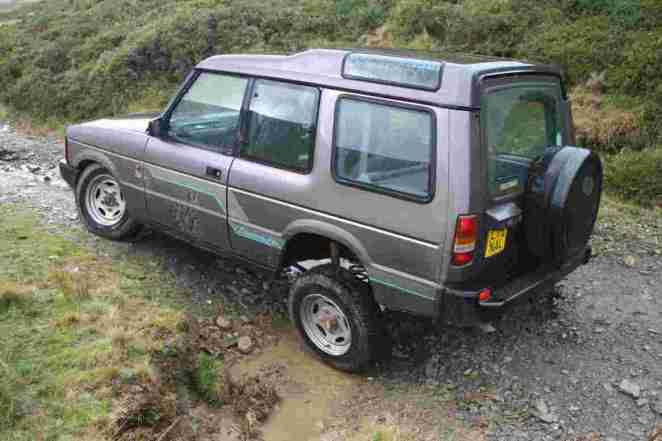
I've really enjoyed this sort of thing

A Must Have vehicle – great fun. When it worked.

An Alfa Romeo V6 is naturally a Must Have, and I managed to tick off the Alfa Romeo 164 at the same time – albeit not in my favoured red/grey colour scheme. Still, it was a great machine and I’d readily have another.

The Citroen BX was on the Must Have list, but having owned seven of the things now, I think I’m going to have to relegate it to Wouldn’t Mind. There’s so much that’s good about them, but also much that frustrates. Definitely time for a BX holiday. Oddly perhaps, I don’t consider the DS a Must Have car. They’re actually too soft and large for my liking. Definitely a Wouldn’t Mind, but I think I could survive quite easily having never owned one. An SM is rather different. If I could ever afford to run one, I’d be foolish not to try. I need a Dream category too. The SM can sit alongside the Ferrari 288GTO and Series 1 Land Rover.

The Citroen GS/GSA is a car I still very much desire though, as I covered in a Blog last year. On paper, they tick a great many more boxes than most. Definitely a Must Have as I’m very keen to see whether I can run one as a daily. I’ll have to hurry up before they all disappear.

Perhaps more realistic on my budget, and certainly more likely to happen this year is the Rover 600.

Rover 600 in Nightfire Red

Could this be me? Only scruffier? (man and car alike)

I know, a Rover 600 seems an unlikely choice for a Must Have but bear with me. Here are my reasons. First up, it’s a very attractive car. Richard Woolley frankly worked miracles to turn the turgid Accord the 600 is based on into one of the most effortlessly attractive saloons of all time. I particularly like the nose and how well it works with the typical Honda low scuttle. It rises very nicely up at the rear and is almost totally devoid of clutter. It’s clean and stylish. His design was penned in 1989 and even though Honda did almost all of the development and design work under the skin, the Rover managed to carve a unique niche for itself – far more so than the R8 Rover 200, Honda Ballade-based SD3 200 or Acclaim had before them.

Perhaps there was a bit less of a Honda with the 800 but, and I’ll lose friends here, that’s probably a good thing. The 800 always felt a bit let down by its interior appointments, especially as the cars aged. What the 600 has is a Honda-designed interior, but very much inspired by Rover’s interior designs. The clunky feel with chaotic ergonomics is replaced by smooth contours. Rover made use of a different colour palette to make the Accord interior seem somehow much more classy despite being largely the same.

To me, the Honda/Rover partnership was a supremely successful one and I wish it could have continued. Both companies learnt so much from each other, and proved that platform-sharing could create vehicles of very different flavours – something Volkswagen now exploits to the full. I love the feel of Honda engineering, having been particularly impressed with a 1991 Civic 1.4GL I owned a few years ago. The cars ‘feel’ like something Mr Honda himself would have approved of. Mix in some British class and you ended up with a very attractive vehicle – the R8 Rover 200/400 in particular was rightly very popular with buyers.
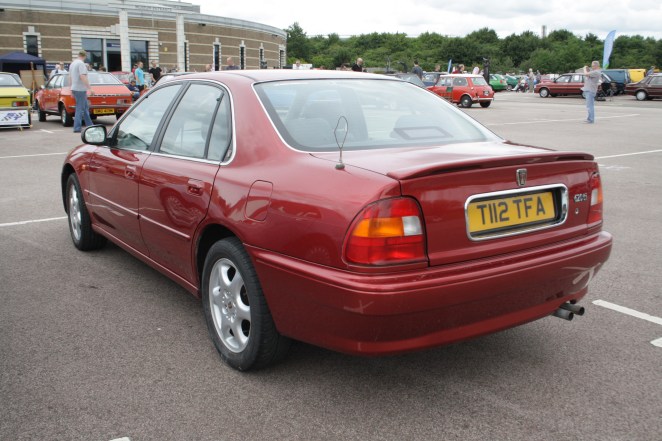
Rover 600 styling crisp and clean

Rover 600 styling crisp and clean

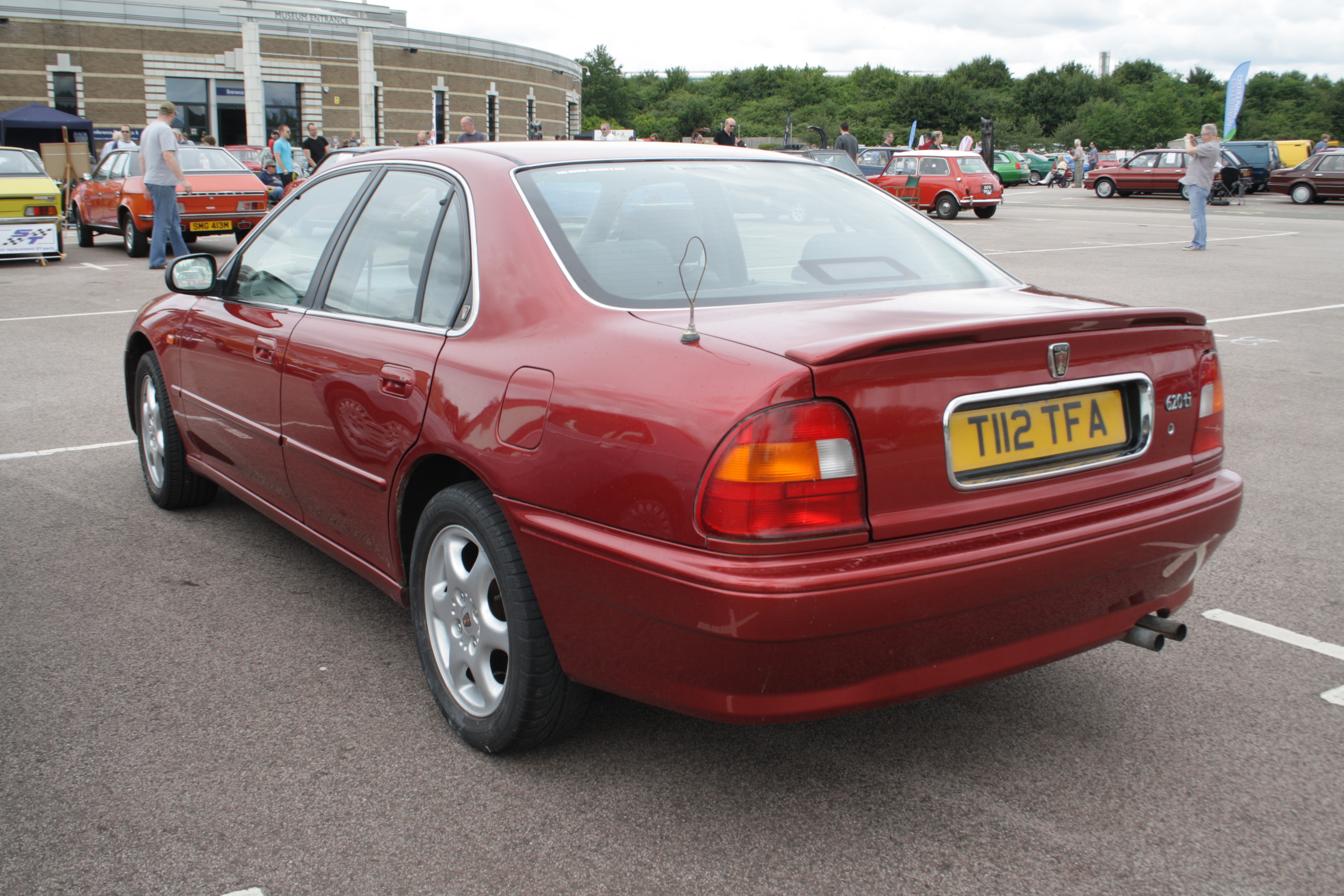
With the 600, engine choices were initially just 2-litre or 2.3-litre four-cylinder Honda units. By 1994, Rover’s own L-Series turbo diesel was added to the range, and then the T-series-powered 620Ti – a proper wolf in sheep’s clothing with 140mph and 0-60mph in just 7.2 seconds now possible. A smaller 1.8-litre Honda engine was latterly available before production ended in 1998.

So, which one do I fancy? Well, probably not the 620Ti to be honest. Power corrupts and while the chassis can handle it, I probably can’t! I’d find it too tempting to get the turbocharger spooling up. The Honda petrols certainly appeal, perhaps with the automatic transmission for maximum waft. The diesel can deliver impressive economy though and as such a vehicle would be a mile-muncher for long trips, greater economy is probably the way to go.

One thing I do know is that I’m fussy when it comes to colour. Silver and grey are out – far too dull. That leaves solid red, metallic Nightfire red, light gold or the odd turquoise colour they did. Dark colours don’t suit the car too much. It actually works nicely with a brighter colour, which contrasts with that returning Rover grille. I’m certainly scouring the classifieds already, though my purchase budget is not yet there. Still, it’s always good to do your homework and I really need to try a diesel to see if I like it.

So, watch this space. See if I end up with a Rover I’ve always wanted, or some other random heap. If ever there was a time to try and rein in my old heap purchasing, this really is it. Hopefully I can, and can then discover whether the 600 is a car worth waiting 20-years for.

See the truly superb AROnline for more about the Rover 600 and many other tales
Maestro van – a few more miles later

Only a quick post as my family are about to descend upon me. I thought you deserved another update on the Maestro. I certainly wasn’t feeling the love after my recent mega-mile, cross-country trek to Luton. Perhaps I should have paid more attention to Google maps and just headed home via motorway. Well, as far as is possible anyway. Instead, I went cross-country on England’s poorly maintained roads and got angry with van suspension.

On a road trip

Not the worst vehicle I’ve ever owned. Is that a compliment?

I think it’s a valid complaint. After you’ve been spoilt by Citroen hydropneumatic suspension, anything else seems distinctly poor by comparison. While the van crashes around horribly when unladen, a hydro-Cit will ride just as well whether full or empty.
There is another solution though. Live in Wales! Now I’m back on nicely maintained roads, the Maestro’s weaknesses are less apparent. There’s no denying that the Maestro is doing the basics of what a vehicle should do very nicely. It’s getting me where I want to be with the minimum of fuss. It’s not the best vehicle I’ve ever owned, but it’s certainly not the worst. Not by a long chalk. That’ll have to do for now.

Maestro van – 500 miles later

There’s nothing like a good road trip to form a lasting impression of a vehicle. Since Sunday, I’ve driven over 47o miles in the Maestro van, which is plenty of time to get a feel for it. I can’t say it’s necessarily good news either. Unsurprisingly, an unladen van is bouncy, noisy and those stupid Rover seats are uncomfortable. The handling is atrocious. Also, the worn gear linkages make fifth gear occasionally disappear, the brakes are awful, the wipers infuriating and the orange beacon fell off.

The mighty A-Series engine, from olden times

The mighty A-Series engine, from olden times

It wasn’t all bad news though. Far from it. On the run over to Luton (via Gaydon and Birmingham) it averaged 41mpg. (I’ve not calculated the return leg yet but it does still have fuel in it). It utterly failed to break down. It didn’t leave any puddles anywhere at all – owning an oil-tight European car is a bit of a novelty. The headlights proved surprisingly effective. It can be hustled quite quickly and doesn’t fall off the road (it just feels like it will). The heating/ventilation system can do heat to the windscreen and cool air to the face. Awesome!

But my main focus for this Blog will be the engine. By the time the Maestro was launched, the A-Series engine was already 30-years old. A lot happened in those 30 years to further engine design. In 1952 (and indeed until 1959), Ford still considered a side-valve engine good enough for a small car. Austin didn’t though, and the legendary A-Series was born. First fitted to the A30, it soon found its way into the Morris Minor – following the merger of car giants Austin and Morris. The engine found itself under more bonnets than a period actress over the decades that follows, often mounted transversely. From 803cc, the A-Series was stretched to 848, 948, 997, 998, 1071, 1098 and, ultimately in production form, 1275cc. It powered the giant-slaying Minis that triumphed on track and in rallying,  but it also powered the humble Austin A35 van, Marina van and Maestro van. From baby Austin A30 to Austin Montego, that engine saw a hell of a lot of use before finally retiring with the Mini in 2000 – almost half a century after the first A-series had been built.

On a road trip

On a road trip

It’s a good engine too. In the Maestro, it develops a healthy 68bhp. It also produces a lusty 75lb ft of torque at 3500rpm. The mid-range grunt is fabulous for its size. Ford, ever behind the times, was producing a 1.3-litre engine as late as 2002 that only produced 59bhp. It is also a very simple engine. There’s a timing chain, overhead valves and that’s about it in the complexity stakes.

Enough raw stats though. The real surprise for me is that the Maestro van is actually quite brisk. The engine sounds quite rorty too. It demonstrates that this engine really could still be competitive 30-years after it was first foisted upon the world. It’s pretty efficient too – I wasn’t expecting over 40mpg. If I was a more relaxed driver, I could probably nudge it closer to 45mpg.

I think it’s definitely the right engine choice. Much quieter than the diesel and not desperately more thirsty. Overall though, my advice has to be to not buy a Maestro van if you want a comfortable cruising machine. Perhaps this was already obvious…

The insanity of classic car prices

Last October, a Ferrari 250GTO sold for a record £32 million. Another one us due to go under the hammer next month. ‘Experts’ reckon it could achieve even more. Perhaps because it has a pantograph wiper.

This is just insanity. I actively hate the top end of the classic car market. It just reminds you how filthy, stinking rich some people are. Imagine having so much money that you’d be prepared to risk £32 million on a car.

It is a risk too. Like it was in the 1980s. A lot of people spent a lot of money buying cars, then suddenly discovered that they just owned cars. Not some financial package. No, something with four wheels and an engine. For the best part of two decades, those with money ran away from the classic scene crying. E-Type Jaguars became affordable again. Enthusiasts rejoiced.

But now it has happened again. A shambolic E-Type Series 1 can fetch £30,000 while a Ferrari Dino that requires collection with a dustpan and brush recently sold for over £132,000 including premium. Quite a premium that’s for sure. The auctioneers must be very happy as their percentage cut grows ever larger. It’s not their fault though, just like it’s not estate agents’ fault that they earn ever more vast amounts for doing absolutely sod all. At least auctioneers do stuff.

Don’t get me wrong – rising values can be a good thing. Would there be the massive investment in 2CV part remanufacturing if you could still buy a tidy one for less than a grand? No, there wouldn’t. But 2CV prices are at least rooted in some sort of reality. They still undercut Fiat 500s a lot of the time, which are inferior in every way apart from looks perhaps. No-one can deny that a Fiat 500 Nuova is the very epitomy of cute. It has no concessions to practicality at all (unlike a 2CV) but it does make you go ‘aw!’

But I seriously dislike it when enthusiasts get priced out of the market. The E-Type Jaguar was a cheap car back in its day. That’s what made Jaguar special. They sold knock-out looks and performance for not a lot of dosh. Just like TVR in the 1990s. Lots of people bought them and a lot of those people then got sensible, did family stuff and had to sell their E-Types.

I bet they wish they’d just stashed it in the garage to await better times. There’s a chance that E-Type might be worth more than their house. Even if they’d left it parked in the front garden, slowly getting buried by plantlife, they could probably indulge in archaeology, dig it out and sell it for enough to buy a brand new car.

Instead, these people are left realising they can’t afford their dream. Well, maybe they can if they went for a Series 2. 2+2. Automatic. In a horrible colour. In left-hand drive. With accident damage. It’s not exactly living the dream is it?

Then there’s sporty Escorts. I don’t care if it’s got a peppy engine. How can a bread and butter family car be worth £60,000 or more? It might be quick, and it may have rally pedigree – but the one you spy in the classifieds never won a rally or went sidewards in a Scandinavian forest. It’s just a shopping trolley with some grunt. On that basis, should I fit a V8 to a Peugeot 106 and make my fortune?

I shouldn’t mind really. I’ve always had humble dreams. At school, I wanted a Land Rover V8 and a 2CV. I’ve owned both and one of them proved to actually be good. But not everyone has such stupid dreams. Some actually have actual dream cars – ones with glorious styling and power and stuff. It seems a crying shame that so much genuinely exciting motoring is being priced ever more out  of reach of most of us.

For some, the burst of that bubble cannot come soon enough.

Maestro van: Dreadfully nice

There’s no escaping it. The Maestro van really is a bit rubbish. It’s very likeable rubbish though.

I’ve covered over 260 miles in it since purchase now. It is far nicer now I’ve sound-deadened the rear with carpet, though it still bangs a bit over bumps. It really isn’t exciting to drive though. The only buzz I get is that it’s all so simple, yet so effective. The driving experience is as awkward as the looks. The Maestro was never a pretty car, and it isn’t exactly a pretty drive either. The steering is nice and direct, but the front suspension geometry is such that it doesn’t encourage you to push it. A least, I think it’s the geometry. It just feels slightly like it’s going to fall over its front wheels if you push to hard. Or will just readily understeer. One of the two.

Awful, but I like it

Not too unpleasant

That’s ok though, as you can settle back and enjoy a fuss-free, if unexciting drive. It gets you where you want to go. It has a lot in common with my old Nissan Bluebird really. Comfortable, able but dynamically inferior to an equivalent French car. In the Bluebird’s case, the main problem was that I owned a Citroen BX, which trumped it entirely for both ride and handling. The Maestro is only competing with an ancient, peasant-wagon, so it stands a fair chance doesn’t it?

Er, no. It doesn’t. Driving the 2CV for the first time tonight since before purchasing the Maestro van reminded me entirely why I love the 2CV so much. It just responds so well to a damned good thrashing! Every corner is a joy. The screaming engine is tiring but hilarious. Ironically, it’s a car I just find impossible to drive slowly. Driving like that all the time isn’t that joyous though. It’s why I was tiring of the Sirion a bit. I had to frenetic little cars that always wanted to go out for a play on twisty roads. I actually quite like having something that is the opposite.

With the new quieter back end, the Maestro is certainly more relaxing to drive. That’s good as I’m planning to drive all the way to Bedfordshire in it, via Warwickshire and then Birmingham. Then back home. It’ll be a great test for the van and a chance to see whether we really bond. With that in mind, I thought a service might be on the cards, as the oil wouldn’t look out of place in a neglected diesel.

A trip to the motor factors provided oil and filter. Anything else would have to wait (air filter, spark plugs) until funds allow. Sadly, after I drained the oil, I discovered that I’d been supplied with the wrong oil filter. When you live 12 miles away from the motor factor, this is considered a pain in the arse. The van is currently sitting in my garage with no oil in it. I’ll have to try and get a replacement tomorrow. Annoying.

Racy binnacle in my dreadful van

Annoying wiper stalk just in shot. Maestro magnificence

Also annoying are the wipers. For a start, they’re very slow and don’t cover enough of the windscreen. Horrific spindle wear seems a large part of the problem here. I need new linkages etc. And possibly a motor. Things have been improved after I splashed out on a pair of new blades though. The second wiper-related issue is the stalk. It has three positions. Off, slow and slightly less slow. No flick wipe (a permanent bug-bear of mine) and worse, flicking to slow and back off turns on the intermittent setting! Unless you ‘flick’ very slowly. This is beyond annoying. I may well have to investigate fitting a different stalk/relay so I can have a proper intermittent setting and variable intermittent – something I had with the same sort of stalks in the Discovery.

Oh well. No vehicle is perfect, or if it is, I haven’t found it yet! So, I shall stick to my usual technique of why bother trying to own a good car? Crap can be a lot more fun, and easier on the wallet. Sure, the Maestro may have wiper issues and be a bit ponderous, but I still enjoy driving around in it. It’s different, efficient, practical and not too unpleasant. I could have got a job in sales with lines like that.

New vehicle – Maestro van! First report

I had a bit of a fleet crisis on my hands after the scabby sills I thought the Sirion had proved to be barely there at all. Could it be repaired? Given that it also needed a new catalyst – not cheap because no-one stocks them – I decided not. No panelwork exists either, so repairs would be very costly, with much fabrication needed. It was time to say goodbye.

Fortunately, I put the Sirion in early for its test, so I had a few weeks to make alternative arrangements. It took only a few days in the end, thanks once more to the Autoshite forum. It just so happened that one of my pals there was selling an Austin Maestro van, and I know he can’t resist swap deals for dreadful cars. I offered some cash and the Sirion and yesterday, we met near Oswestry to try and decide how well we had done.

It was a sad last drive in the Sirion, even though I tried to focus on the negatives. The over-assisted steering, unsettled ride and the driving position that I never did manage to find comfortable. But, the deal was done and I drove home in something very different.

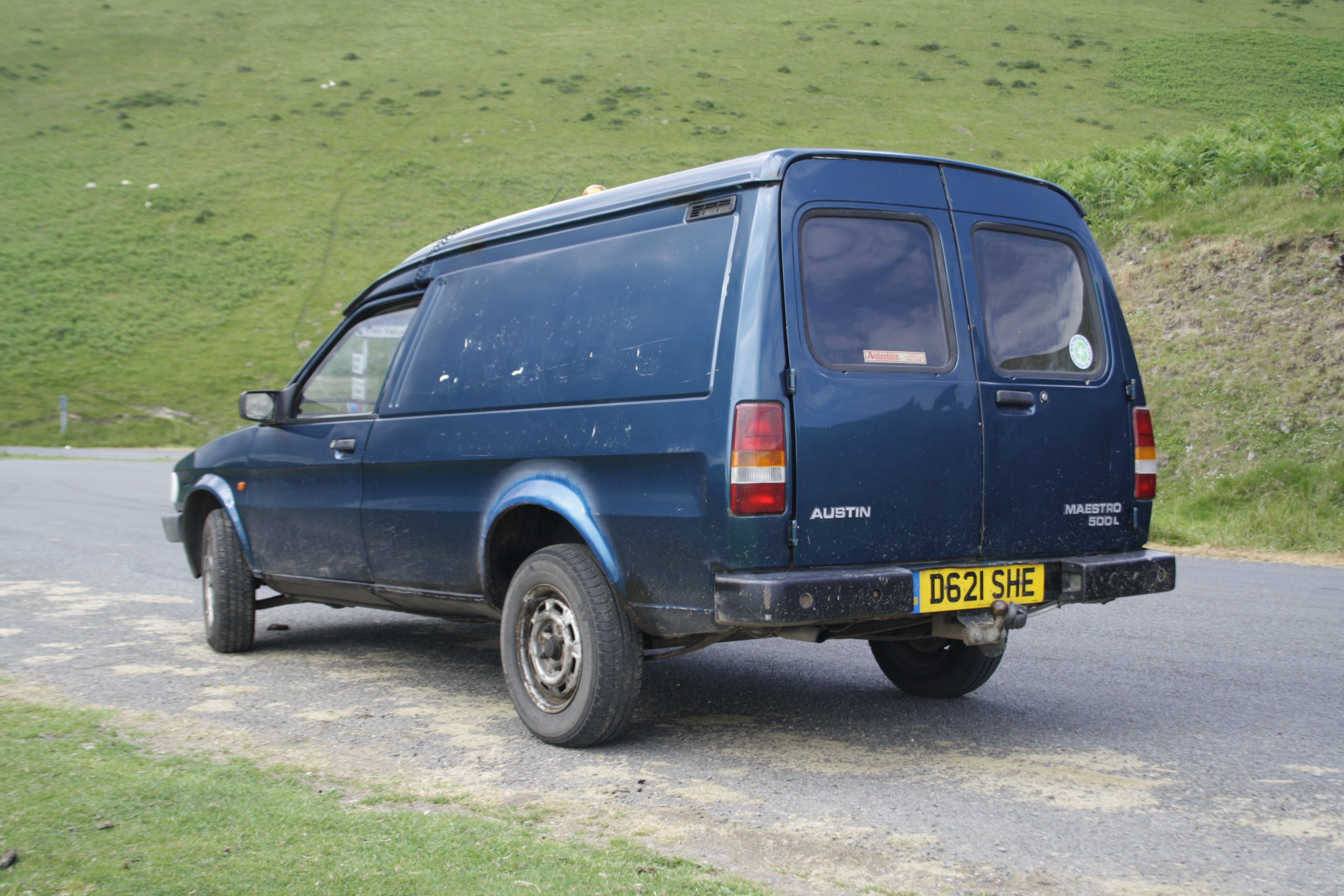
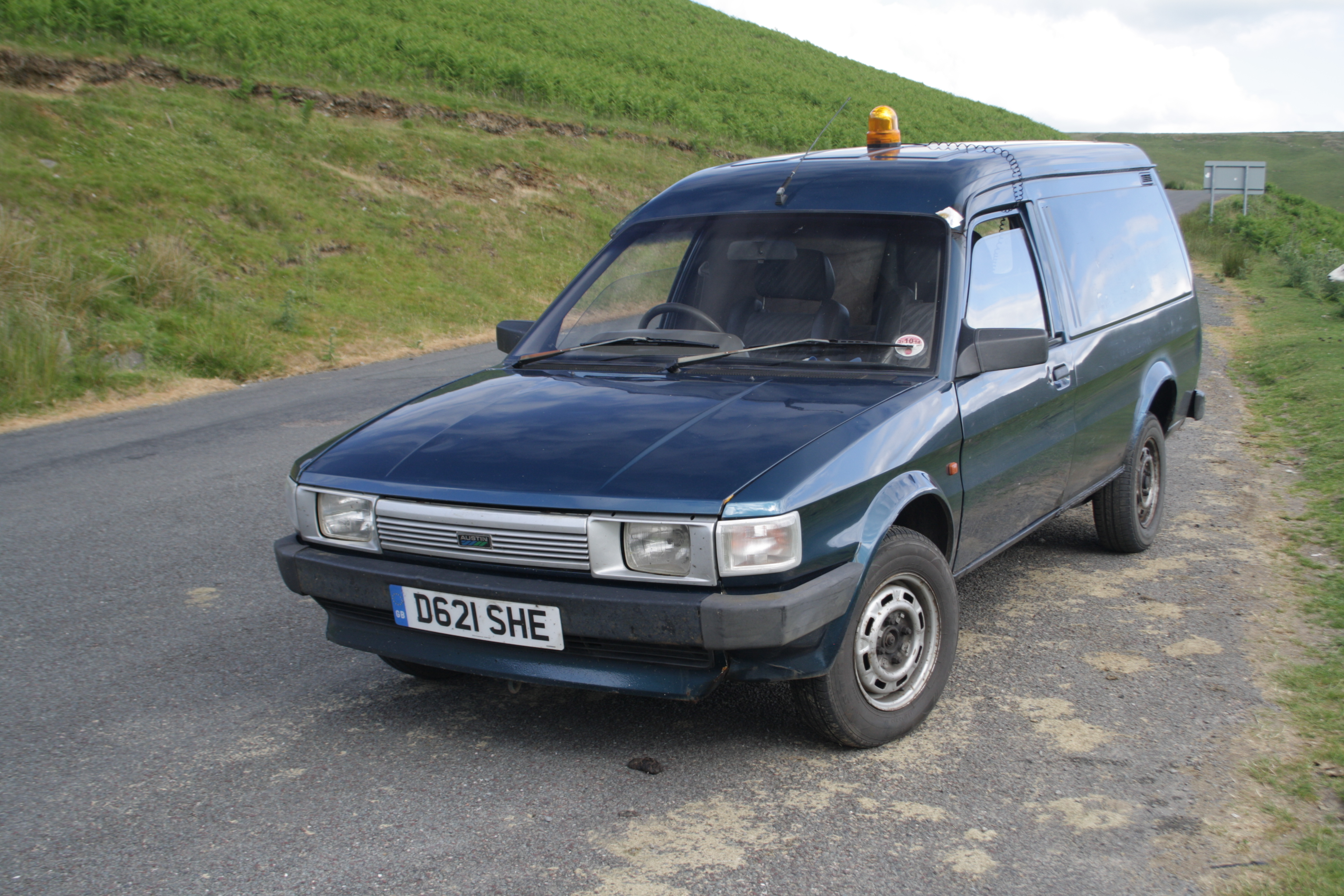
Maestro van! Crap but loveable. I think

Maestro van! Crap but loveable. I think

First impressions are that it’s bloody noisy. It has the venerable 1.3-litre A-series engine, which is good. I like it a lot. Most had the Perkins Prima though, which is a great engine, but loud. Amplified by the echo chamber of a van body, it must have been almost unbearable. As it is, at 4000rpm, it’s like being at a Machine Head concert even with petrol power. It’s a good job this ancient engine is torquey.

The van is also rather bouncy, thanks to the simple dead rear axle with leaf springs. We’re back to cart technology here, and it feels like it! It actually rides quite nicely on the flat, but crashes over bumps. That said, it’s made worse by the panel noise. The rear doors don’t fit very well and the ply-lining seems to actually make the noise worse rather than better. Maybe I should try stuffing insulation between it and the metal…

Carpeting it out might work though. Then I’d have a basic camper. This thought has crossed my mind for when attending shows and the like.

Anyway, back to driving impressions. Like any Maestro, it initially feels very capable. It’ll barrel along nicely (it has a five-speed gearbox) and turns in well. Push it hard though and it gets understeery, wayward and just unpleasant. Maestros (certainly non-sporty ones) just don’t like to be hurried. To be fair, the same can be said for many other 1980s hatchbacks. My VW Golf Mk2 was certainly nothing special. The van’s gearchange isn’t very pleasant either, which prevents quick changes. I can certainly drive it briskly, but really pushing on just isn’t fun. There you have it. If you’re after a sports car, don’t buy a clapped-out, 27-year old van. A ClassicHub top tip!

I'd normally straighten the steering wheel so it looks nice, but what's the point?

I’d normally straighten the steering wheel so it looks nice, but what’s the point?

I think I like it though. I’m about 150 miles into this ownership and while it’s unrefined and a bit cumbersome, it is thoroughly charming and marvellously simple. The digital clock is probably the most exciting gadget (other than the flashing beacon on the roof, which now works). It is very unoriginal though. The paint is wrong, the seats are wrong, the steering wheel is wrong, the door cards are wrong and the instrument binnacle is also wrong. And the gearbox. It should be a four-speed.

It’s also quite scabby. Did I forget to mention that? Yes, I swapped one rusty vehicle for another. The big difference is that the Maestro has MOT until April, so I’ve a bit longer to ponder what to do. With that in mind, I refuse to be drawn on how long this vehicle will remain on the fleet. I’m amazed by the attention it garners – something I didn’t expect – but far better cars have left the fleet because the handling wasn’t up to scratch. Also, the wipers are rubbish!

I’ll see how I feel in a few more days and will then plan its future.

PS – don’t forget to find me either on Facebook or Twitter for more regular updates!

It doesn't bear closer scrutiny. A good 20 footer

It doesn’t bear closer scrutiny. A good 20 footer

See you later Sirion – rust in peace

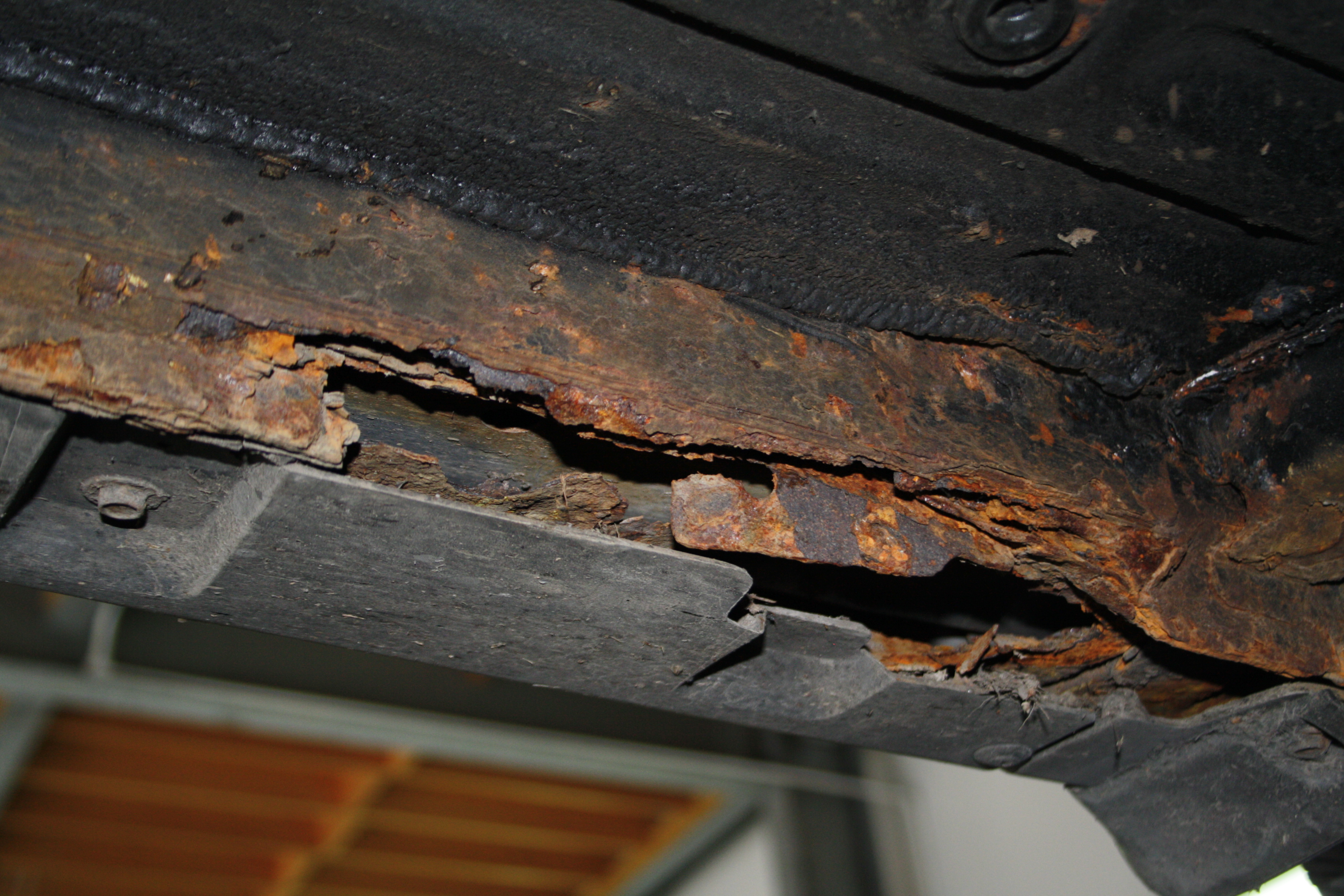
The MOT did not go well. I knew the outer sills were ropey and unlikely to get through, but had failed to notice that the inner sills had disintegrated quite horribly since I last looked. To think, a Daihatsu dealer had it lifted on a four-post lift earlier in the year on the sill jacking points! Perhaps that’s why they’re now so knackered…

Jehosephat! That's rotten!

Jehosephat! That’s rotten!

Looking at that picture, I’m amazed the lift didn’t go up while the car remained on the ground! I’m pretty sure the lift exacerbated an already poor situation.

It highlights why the poor car must go. Chasing out rot like that can only get seriously expensive. Or it requires a skill set I simply don’t have. I can’t afford for both of my two cars to end up being a thorough restoration case! As it is, I’m already trying to keep the 2CV going with almost zero budget.

A deal has now been done to find the Sirion a new home. In reality, all I’m doing is passing it on to someone who can take it for that last, fateful drive to the breaker’s yard. Instead, I shall drive home in another dreadful vehicle, which I look forward to introducing you to on Saturday. It has an MOT until next year, which is good news! It also doesn’t have a cambelt, a catalytic converter, an ECU, teeth or bright yellow paintwork. That’s a shame. I was really enjoying driving around in a sunny little car!

The Sirion will be missed, but I doubt I’ll have another. The main issues also apply to other Daihatsus. Corrosion and parts supply. A shame really, as so few cars genuinely impress me. I’m very hard to satisfy. 2CVs manage it, BXs come close but very few go beyond my expectations. The Rover P6 and Daihatsu Sirion are amongst the rare breed. You don’t often see those two mentioned in the same breath.

My new silly Sirion

The Sirion soon lost the silly graphics

Few cars bought for less than £400 have been as reliable as the Sirion. It has needed an exhaust (only because the baffles fell apart), some tyres and brake caliper sliders. I chucked some fresh oil into it but otherwise thrashed it all over the country – from the north of Scotland to the perils of the South East corner of England. It even survived Peterborough.

I think my last drive in it on Saturday will be a rather sombre affair. Or maybe not. One last hurrah and the barking frenzy of that tiny, three-cylinder engine!