The 200k Tin Snail Roadtrip

Time was running out. My 2CV was creeping towards its 200,000th mile, but there was a serious danger that the MOT was going to run out before it got there. There was an amazing feeling of deja vu here, as I’d had much the same dilemma way back in 2002, when Elly the 2CV was nearing her 100,000th mile with an MOT deadline. I solved that problem with a 350-mile day trip to Snowdonia. Now, I lived in Wales. Where was I going to go?

That problem was solved by an invite to visit family in Sussex. There’s nowt like seeing our nephew and neice (and associated family and animals) to motivate us to get on the road. Even in the days leading up to the trip, I found myself looking longingly at the XM. Comfortable seats. Absolutely serenity at motorway speeds. It was clearly  the sensible choice.

Pah. Where’s the fun in that? My wife pointed out that it was no wonder Elly the 2CV was struggling to reach 200,000 when I kept finding excuses not to drive her. It’s true. Her annual mileage has plunged below 3000 at times in recent years. It has been over 10,000 at times. So, I committed to the plan, checked the levels and off we went!

The trip didn’t get off to the best of starts. Within just a few miles, I’d rounded a corner and, distracted by an approaching van, drove into a HUGE puddle. This sent up a wall of water, which we then drove into. Elly began spluttering and banging, popped out her air cleaner and steamed up like a sauna. The van driver must have found it hilarious. Elly cleared her throat and picked up and off we went, though I stopped once we’ve dropped down from fearsomely chilly parts to refit the air cleaner.

2cv bonnet up classic car

Oh dear! Not an ideal start. Too much water sees Elly struggle.

We drove on, but had to stop again at Builth Wells due to a misbehaving front indicator. I wiggle the bulb. It worked again. We drove on. We got as far as the Brecon Beacons before it played up again. We stopped for tea and further investigation.

A duff contact was causing the indicator to not flash.

This was a successful fix. We headed for Newport and were soon tearing along the M4, heading east. The only real problem was sunlight – it was blazing in through the side window. I was forced to block it out with the sun visor. This was hardly the end of the world. We did have the misfortune to visit Membury Services on the M4. My recommendation is that you do not. The car park is disgraceful, and the way the traffic flows have been designed is absolutely hopeless. Forcing trucks to merge from the right – that could only be designed by someone who has never driven a truck. Or had even a modicum of common sense. We filled up, with annoyingly expensive fuel, and drove on. At least it doesn’t take much fuel to fill a 2CV. We’d used £21 of fuel so far.

We made it to the M25 very swiftly indeed, and stopped at the new, rather delightful Cobham Services for another break. This was much more like it, and the weather was simply fabulous.

Basking in the sun at Cobham services

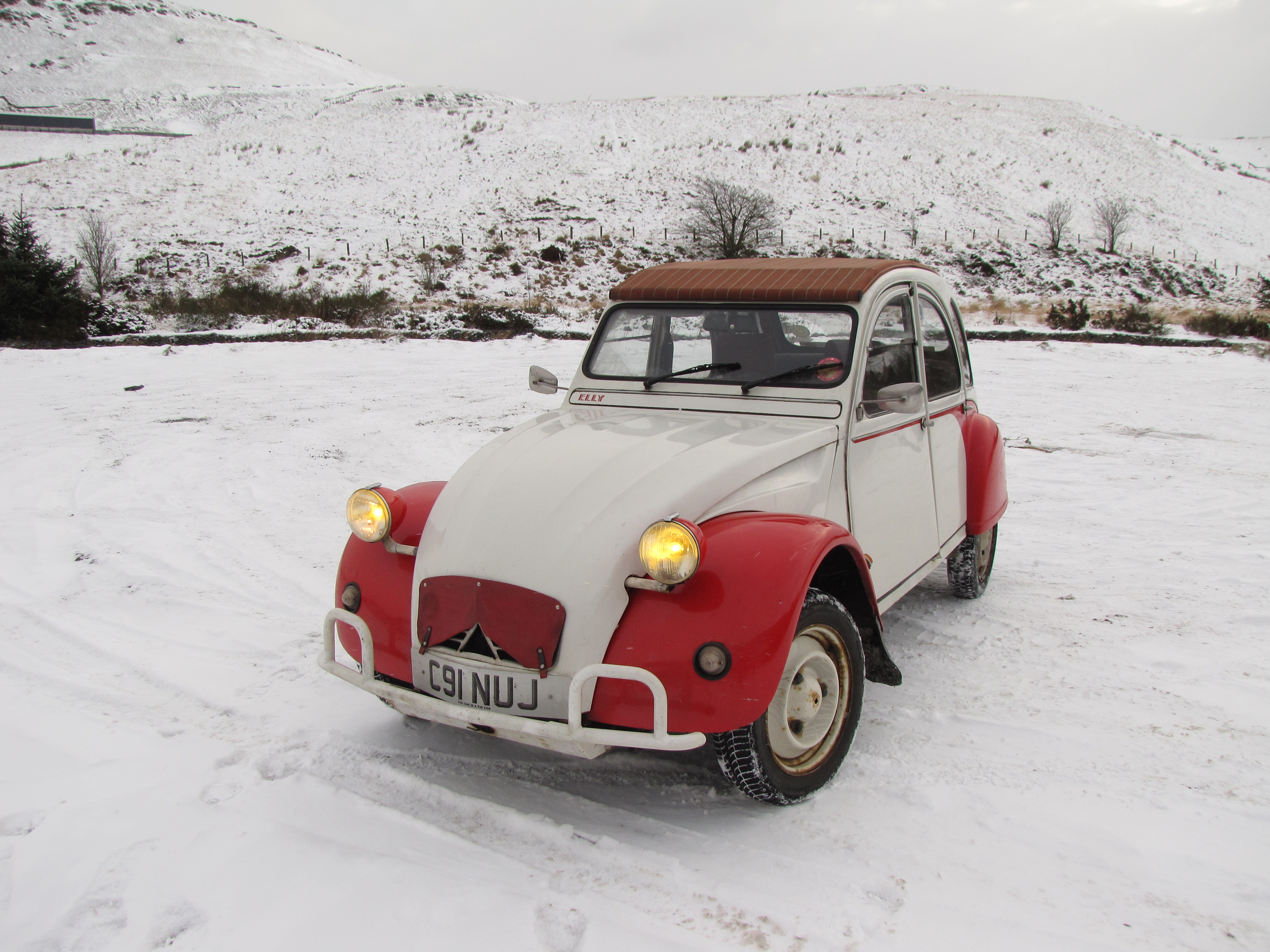
As you can see, the grille muff remained in place. Official advice is to put it on below 10 degrees, which it was, and remove it at 15. It’s fine to keep it in place at motorway speeds UNLESS you own a very late 2CV, on which extra sound-proofing runs the risk of you cooking the engine.

The M25 wasn’t too bad for traffic, but the road surface was something else. The concrete sections set off a noise inside the car that made it sound like every mechanical part was starting to seize. It wasn’t very pleasant at all. The odd short section of tarmac reassured us that our steed was not about to give up.

2CV on the M25, and the most horrible road surface in the world

However, we made it to Sussex and there was much merriment, tea and some plant swapping. We know how to live.

The next day, we didn’t even leave the house. Our nephew and niece kept us quite busy without us having to go anywhere. The day after that, we went off to explore Lewes. While Elly was parked up, she managed to attract a rather fine friend.

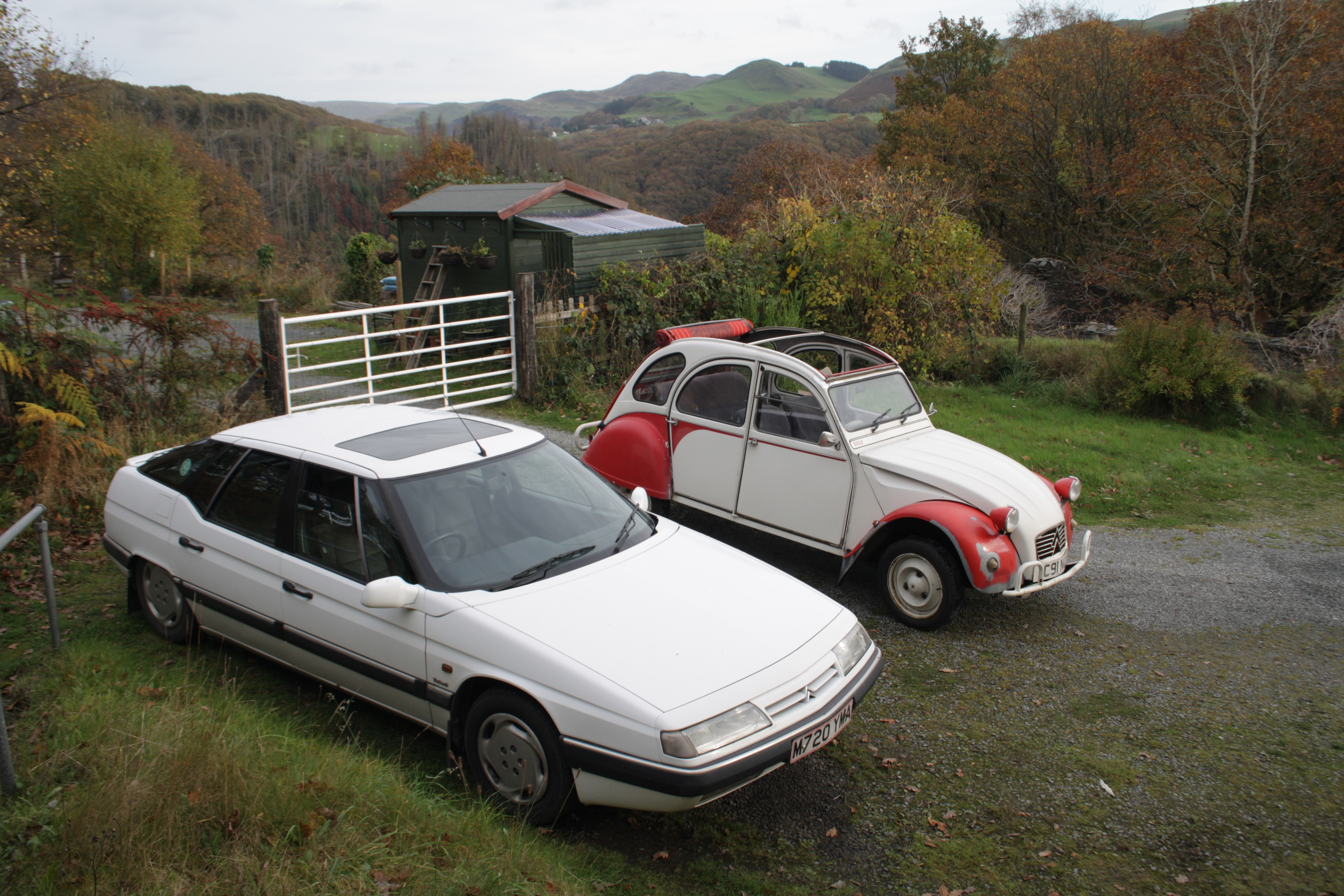
2CV meets another XM

I guessed that the XM must be owned by an enthusiast – look at the number plate and general condition. I wasn’t wrong. ‘FakeConcern’ had posted his own version of this photo on the internet and contact has now been established. It seems Elly is famous enough for plenty of people to recognise her.

I didn’t meet ‘FakeConcern’ though. I took this photo before we headed off for a second tour of Lewes, and it was still there when we returned.

All too soon, it was time to head home. We left Sussex at half eight this morning, knowing that should we make it home successfully, Elly would hit 200,000 miles at some point. With that in mind, we decided to stay off the motorway. The weather forecast was another reason to stick with A roads – a headwind was very likely. When your car has only 29bhp and the aerodynamics of a crumpled paper bag, it pays to pay attention to this sort of thing!

The A272 is a largely delightful road that snakes across the south. It’s certainly a lot more enjoyable than the M25/M4, with pretty places like Petworth proving an utter joy to pass through. There was a section of A303, then some other road I’ve forgotten and eventually, the A417 bypassing Swindon. We had a brief stop for lunch just after Swindon, before heading to Gloucester – which is where Elly hit the second major milestone of her life.


Zero miles! 200,000 miles for my little Tin Snail

She didn’t choose the best of locations, so I had to hurriedly use a bus stop to grab the above photo before we quickly got moving again. After that, it was foot to the floor as we raced into Wales. The headwind was making 60mph quite hard work, so perhaps raced isn’t quite the right word…

It was starting to feel like a true marathon now. I was starting to feel tired and Elly was starting to groan in a manner that suggested that she’d had enough too (must grease those knife edges…). Hailstorms livened things up, and leant a sense of urgency – worse weather was a possibility. All was well coming over the Elan Valley a second time though. We were almost home.

The Elan Valley mountain road means home isn’t far away

As we plunged over crests and weaved our way through the mountains, I recalled how I’d done much the same thing 13 years earlier, as I marked this car’s 100,000th mile. You really can’t beat the rural roads of Wales for driving joy. It’s a country I like very much, for this and other reasons. I’m not sure Elly will make it to 300,000 miles though. Her body is a right mess. But I’m not going to dwell on the future at the moment. Instead, I shall celebrate my incredible relationship with an incredible little car.

111,000 miles together. Not bad for a tiny little motor car.
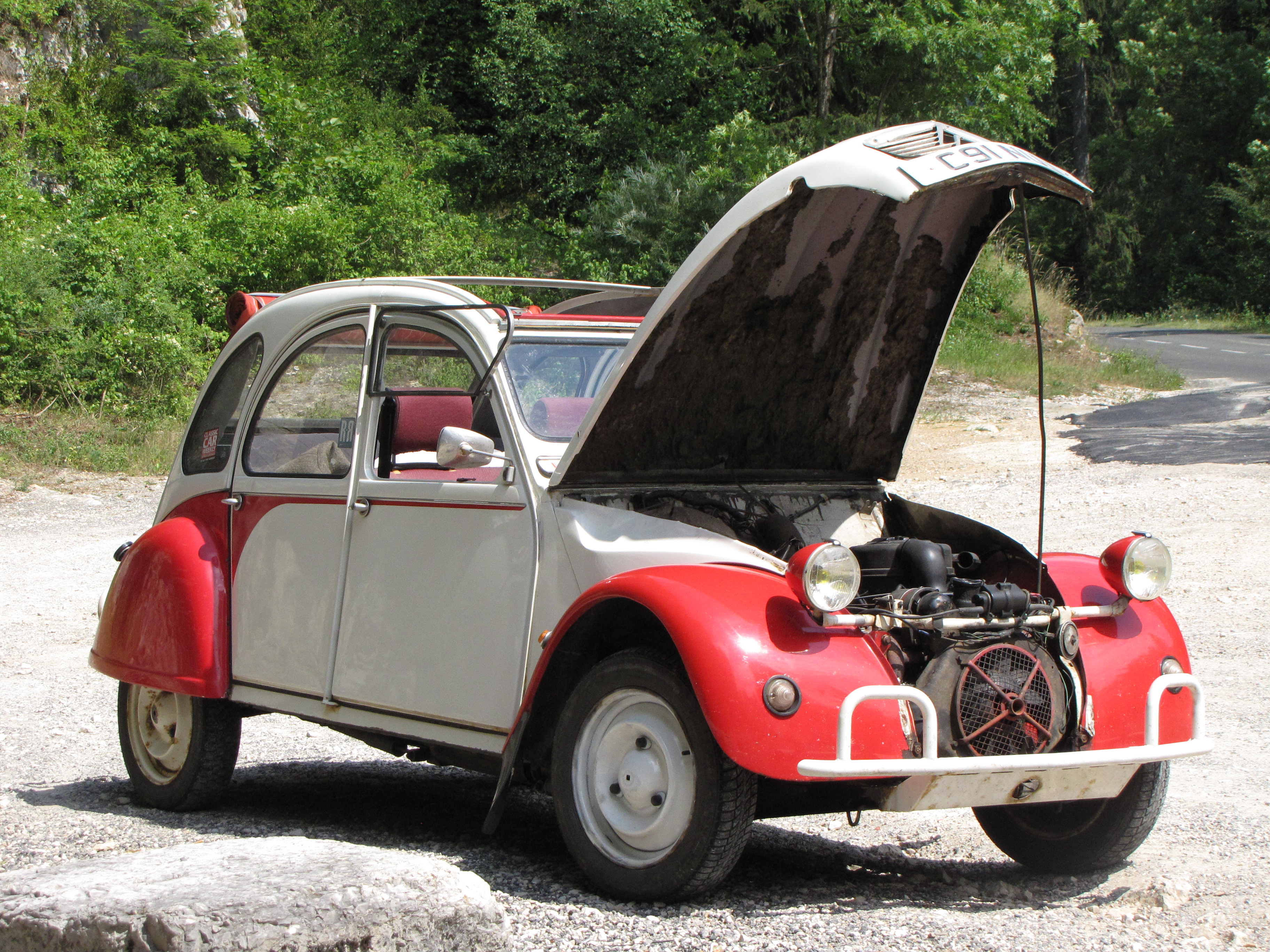
The art of bodge – just get me home!

The most brilliant thing about the 2CV is that when things go wrong, it’s usually possible to get on your way with a little ingenuity and not very much hassle.

Like the time a 2CV I owned snapped a shock absorber mounting. I merely sacrificed some speaker wire to hold the shock absorber off the ground. Sorted. The 2CV I currently own has attracted its fair share of get-me-home bodges over the years – though the first one didn’t actually get me home.

When your car breaks down, do you call for rescue or bodge and hope?

When your car breaks down, do you call for rescue or bodge and hope?

I was driving along the M6 when the throttle return spring snapped. That meant that the pedal would not lift when I took my foot off, which meant the car would not slow down. I was some way from the next services, but the feeble power of the 2CV meant that driving flat out wasn’t an issue. Typically, traffic then began to build! I found I could lift the pedal with my hand to reduce the throttle input, but this still didn’t close it entirely. Having reached the services slip road, I simply turned the engine off and coasted into a parking bay in silence. It’s great not having power steering and power brakes to worry about! Still, I’d managed to get off the motorway. I then discovered I had no tools and was forced to call The AA out just for a pair of pliers. A new ‘end’ was formed on the snapped spring and I continued on my way until a new spring could be purchased.

A couple of years after that, the same 2CV went through a spate of alternator failures. Dramatic ones. They kept snapping the mounting bolt, so presumably the bearings were shot. At one stage, as I drove to visit the woman who would one day be my wife, I got so fed up by yet another bolt failure that I just removed the alternator altogether at the side of the road and kept going. I had a similar failure on my Citroen BX Mk1. The only tool I had to hand was a knife, so I cut the alternator belt off and drove home. About 50 miles. It’s amazing how far you can drive a simple car that has no charging…

Another fault the 2CV once developed was a faulty fuse board, which meant the brake lights stopped working. I needed to get to a specialist for some other work to be carried out anyway, so I wired the brake lights up to the sidelight switch for that journey. Manual brake lights are ok!

My favourite bodge was on our last major roadtrip though – when we went to Switzerland in the 2CV. I use transistorised ignition, with a Maplin’s kit installed in a weatherproof box. This necessitates the fitting of a heat sink to the box. It came adrift on that trip, and the overheating transistor kept cutting the ignition. This led to some very impressive backfires, as it happened while driving. We coasted into a French village after one backfire too many. I think we covered about three miles downhill with the engine not running. I was becoming scared that one more backfire might blow the exhaust to bits.

We had a quick tinkering session and my eventual solution was simply to remove the panels either side of the engine bay to increase air flow over the box. This worked an absolute treat. The next day, we drove over 600 miles without incident. A fine bodge indeed! There’s a lot to be said for the roadside bodge – something increasingly difficult as the complexity of cars increases.

Cars on TV – the struggle to make it work

It seems it’s very difficult to make good car telly. There’s some stuff which is alright, some stuff which was good once and should now respectfully retire, and an awful lot of pure bunkum.

The Classic Car Show. Too much glitz, not enough realism

The latest attempt at motoring glory is The Classic Car Show on Channel 5. Now, a prime-time, terrestrial channel slot suggest a show worthy of attention. If only it were so. It isn’t dreadful – Classic Car Rescue also on Channel 5 is about as bad as car programmes (any programmes) get – but it isn’t very good either. We’re forced to watch Quentin Willson gush on about fancy cars in a manner that suggests he cares more about how he appears than the car he’s talking about, while poor Jodie Kidd attempts to replicate Quentin’s hideously false presenting style. People just don’t talk like that! When Jodie Kidd appeared on Top Gear some years ago, and surprised us with her interest in cars, she came across as an enthusiast nattering down the pub. I wish she’d do more of that. I watched one full episode, but actually turned off the second. It was too awful – Quentin proudly telling the world how wonderful the Rolls-Royce Cornice is – oh and by the way, he just thought he’d better say that he bought the one being featured. Then an interview montage including some brain-dead pap from Britt Ekland, who looked like a startled fish in a wig. I don’t want to watch people who know NOTHING about cars prattle on about lifestyle. I don’t enjoy cars because of lifestyle! It’s depressing more than anything else. It was a chance for a great programme and it just falls short, even though the piece on TR7s was quite good – until Quentin told everyone how crap they are in a painful scripted argument with Jodie. Oh dear.

Fortunately, there is some good stuff out there. I quite enjoy Car SOS, which thankfully is nothing at all like the aforementioned drivel of Classic Car Rescue. In Car SOS, Fuzz Townshend and Tim Shaw restore cars for people – secretly for a bit of extra fun. I won’t proclaim it the best thing I’ve ever seen, but it’s nice, cuddly and enjoyable. It’s a Morris Minor Traveller. Best of all, it’s full of actual car content. Lots of facts, some great restoration skills and a chance to learn a lot more about classic cars and how they work. Great stuff and I’m glad it seems to keep coming back for another series.

Car SOS – feels like a Morris Traveller (not pictured)

Classic Car Rescue on the other hand manages to be even more stupid than Top Gear, and show that gets defended by its creators because lots of people watch it. Lots of people watch Jeremy Kyle. Lots of viewers doesn’t mean what you’re churning out is any good.

So, telly isn’t doing very well. What about other media?

Like the internet. I’m a complete convert to Roadkill. It’s good, honest, old-fashioned larking about with cars. Not in the Three Stooges manner that has made Top Gear so unwatchable, but more like Scrapyard Challenge with added reality, more V8s and actual on-road adventures. Every petrolhead can relate to what they do, especially when they drag something out of a scrapyard and try to drive home in it. The presenters have a great chemistry and show motoring for what it truly is – bloody good fun!

Now that’s Roadkill! Often involves V8s and ridiculous tinkering

ClassicHub’s future

Since getting an actual job, I must concede that my desire to hurl words at my Blog has reduced somewhat. I’m now busy coordinating a minibus project in rural Ceredigion but still cramming paid writing work in on top of this.

In 1989 and 1990, you could buy either of these brand new!

What is the future for Fleet ClassicHub?

I do have some plans for ClassicHub though, so worry ye not! It might just take some time for those plans to come to fruition as I battle the age old problem of actually earning enough money to live. For one thing, I’d like to do more videos – but winter isn’t a great time to do them, so they’ve been on rather a hiatus.

After my last post, a rather candid account of how things have changed in my life, I have been busy settling into the new role. It’s nice to have something that is really giving something to focus on. Come pay day, it’ll be nice to actually have some money in my account too! The XM is due a cambelt change and the 2CV’s MOT expiry draws ever closer. We’d also quite like to go and see family and friends before too long.

That’s all for now. This really is a short update. Keep following me at Ian Seabrook-Writer on Facebook, or Dollywobbler on Twitter and see what new adventures could be on the horizon!

All change! Lifestyle review

2014 was a real struggle of a year. I spent much of it pondering what to make of my future. The present was feeling distinctly uncomfortable. First, some background for those who don’t know.

My wife and I both quit our jobs in 2010 and moved to glorious mid-Wales. Our income immediately dropped to a third of what it was – out of choice. Rachel was not working at all (and not claiming any benefits before you complain) and I had branched out into the world of freelance classic car writing after several years on staff. Turns out that my dream job of working on a magazine was not without its stresses. Mainly due to management types with whom I failed to agree on a great many things. We were both fed up living a life where we spent most of our time together asleep or watching crap on the TV. Yes, our income (and decision to not have children) allowed us to have fantastic adventures – like taking a Citroen H van to Sweden or zooming all the way to Switzerland in the 2CV – but perhaps there was a better work/life balance to be had.

For several years after the move, we truly were living the dream. Sure, foreign holidays were off the list of things we could do, but then we lived somewhere completely beautiful. Why did we need to go anywhere? We had to make serious cutbacks, but got to spend a lot more time together, working on DIY projects and spending time in the community. That was the real key – an actual community! Turns out it was something we’d been seeking for a long time.

The problem is, the freelance writing market is hampered by there currently being quite a lot of writers, and some publishers not wanting to pay realistic rates. Other publishers have terms and conditions which are frankly horrific. Sadly there isn’t enough work from realistic publishers on which to live. Certainly not if you want that income as your sole income. Even living frugally, we need more than £400 a month. Sometimes I wasn’t earning even that.

So, we’ve spent the past year realising just how little we can live on. It’s staggering really how we’ve managed to cope. It hasn’t been easy, but our desire to be more self-sufficient certainly helps. We’d already cut out a huge amount of frankly unnecessary purchasing. Sorry friends and family – that does mean no birthday or Christmas presents. After all, how often do you receive presents that you don’t actually want? We’ve found birthdays can be made special by merely doing a nice thing, even if that’s just going for a walk. Which is free. We hugely enjoyed the Christmas just gone, and that’s more to do with meeting up with people than presents. Ok, perhaps a bit of chocolate, but then Rachel makes a lot of her own sweets at Christmas. Cheaper than buying a posh-looking selection that’s more box than substance. I’ll take a pot of my wife’s chocolate pigs over a Milk Tray any day of the week.

It can be stressful though. New shoes had to go on the wish list for months, as I simply couldn’t afford to buy any. When I did, I only spent £20. We’re seriously missing family too. We only got to see my family in November because I was road testing a Nissan e-NV200 electric van thing and the fuel for it (via motorway charge points) was free. We couldn’t afford to drive a 500-mile round-trip using petrol or diesel. Not even with cars averaging over 40mpg. Things must have been bad as I only purchased four cars in 2014. The most expensive one cost £375. What was telling is that there was absolutely no way I could afford to run my Land Rover Discovery – a car I had long wanted to own. Saying goodbye to that was hard, but it turned into cash AND a Citroen BX. It was a lifeline.

Eventually, the stress of not having any money got too much. I even applied for jobs away from where we live. Clearly, I was losing my mind. I even had one interview, 200-miles from home. After Christmas, I realised the insanity of this plan. It was time for a career change.

As it happens, a role has now opened up at the community minibus company I do a lot of volunteering for. I’ve only got the job temporarily, as it will have to be advertised and a permanent appointment made. I started this week and it has been a bit odd! Regular hours, alarm clocks, a commute! (of 4.6 miles). I’m going to apply for it permanently, and I really hope I get it.

This isn’t so I can get money and go back to rampant consumerism. My time with that sort of life has gone. It’s been great having to REALLY think about every purchase. A useful skill that seems rather lost these days. No, I actually want to have money, earned locally, so I can spend it locally. I want to buy more from local farmers. I want to spend more at the local shops and hotels. I want to support the people brave enough to take on the huge challenges of running a rural business. People who actually pay their taxes…

Perhaps the biggest victim of my lack of funds has been my poor, almost-200,000-mile 2CV. It has been quite painful to watch her body crumble, and I’ve simply not had the funds to do any more than scrape her through another MOT each year. You can’t run a classic car on thin air, and the lack of body attention is now showing very badly. But, with a job, there’s the chance of resurrection – though I currently have very mixed views on how this should happen.

I must also concede that there are still cars I want to own. Nice cars! Cars that could perhaps cost as much as a few thousand pounds to buy. Then there’s my poor five-string electric bass, which desperately needs new strings and a service. My wife would like some new socks.

On top of that, there’s the money we need just to live! The wood for our wood burner is not free, and nor is the gas for our oven. Plus there are many DIY projects left to perform on our house, for which buying stuff is pretty much essential. Yes, there’s much we can do by foraging for things (like pallets – very useful) and grabbing free stuff where we find it, but actual expenditure is just necessary sometimes.

Even just having this temporary job (writing work is continuing but at a reduced level) has taken a real weight off my shoulders. I can go to the pub tonight and not have to worry about whether I can afford a second drink. You don’t know how outrageous that actually feels.

Sure, it’ll be a shock to the system. I’m not sure I’ve worked more than 15 hours a week since we moved here. It’s quite a lifestyle change. However, we’re very fortunate to be able to live like this and I don’t see it as a failure of a Big Plan. We’ve learnt how to reduce our impact on the world, even though I’m a rampant meat-eating petrolhead. Lessons learned will help make sure that my new income can be stretched quite a lot way. I hope.

It would really help if Ebay disappeared about now.

The wonderful world of headlamp wipers!

I’ve always been fascinated with wipers, regardless of where fitted. However, I reserve a special place in my heart for the diminutive headlamp wiper. During my childhood, it would absolutely make my day to see headlamp wipers in action. I still have a memory of a white Volvo 740 activating them outside a KFC in the mid-1980s. It was one of those typical 1980s cars where pretty much every detail was white. Headlamp wiper arms included.

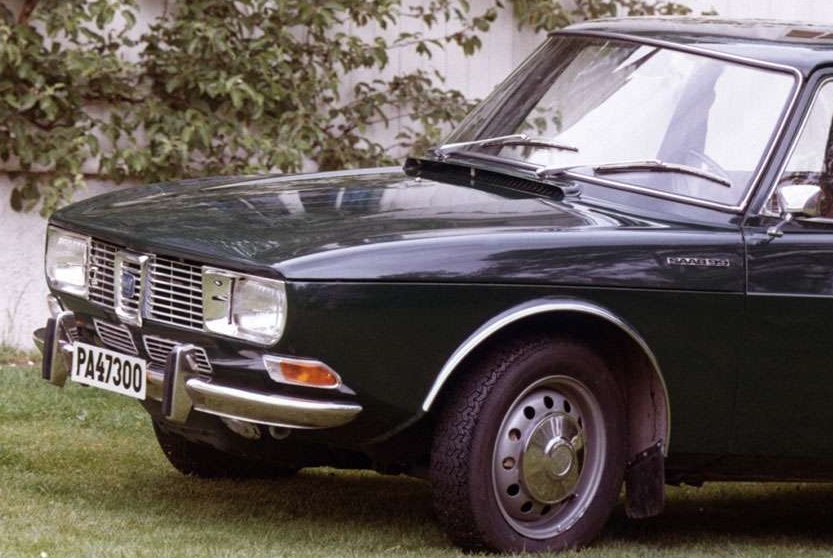
It’s perhaps not surprising that the Swedes seem to have led the way with headlamp wipers. In fact, headlamp wipers are 45 years old this year! The Saab 99 first had them in 1970. They were wonderful too. I’m depressed to find that there is no online footage of them in action – they push out from the middle like little brooms.

Earliest headlamp wipers. COR!

Earliest headlamp wipers. COR!

Naturally, Volvo felt it had to follow suit and for a time, there was a bit of a (wiper) arms race, with some incredibly elaborate systems appearing over the next couple of decades. Renault came up with a system that was very similar to that used on later Saab 99s, seen here on a Renault Fuego.

Fabulous! BMW preferred circular headlights, so how do you make a wiper work on those? Easy!

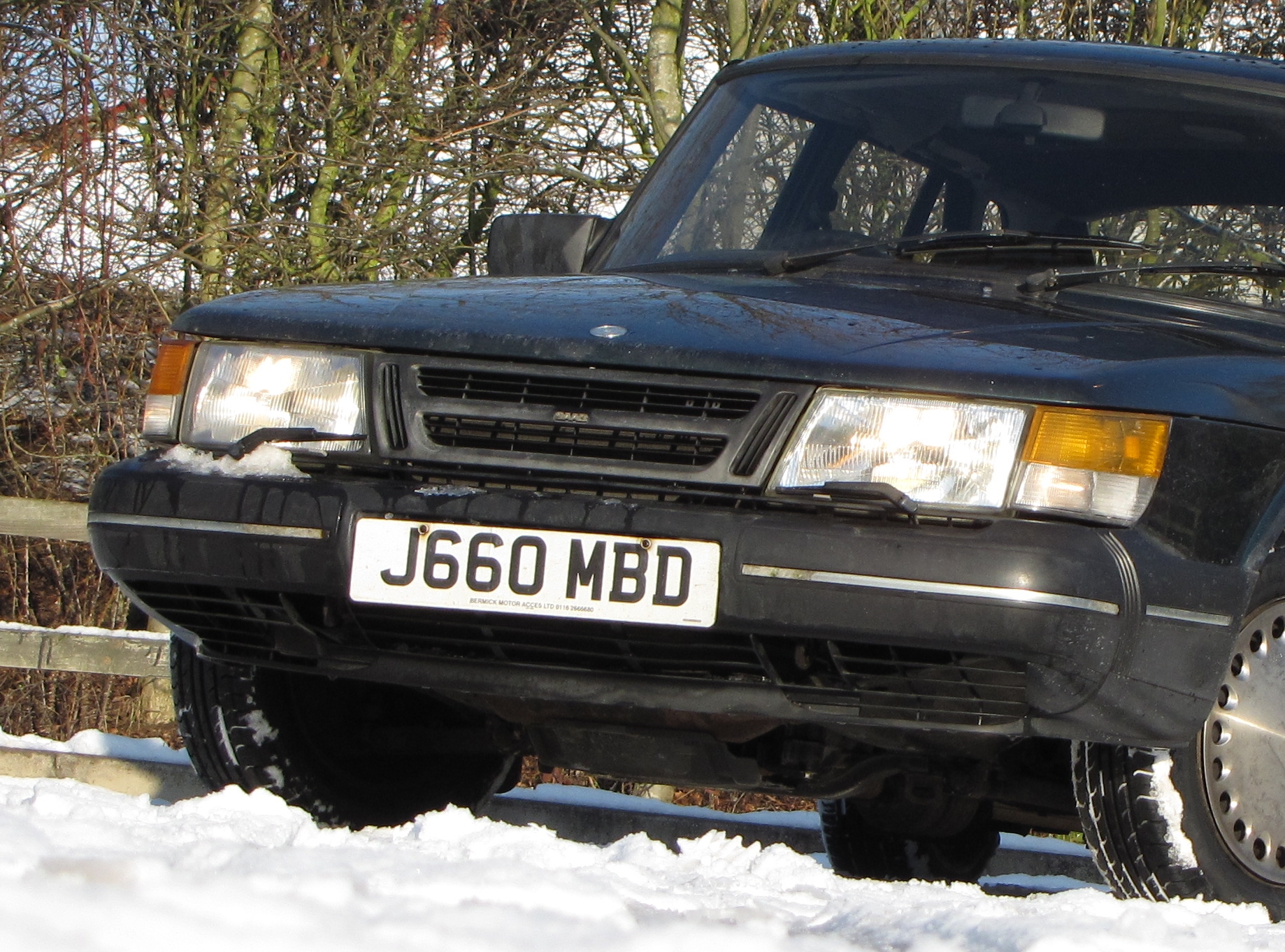
You must admit, this is exciting stuff. Surprisingly, it took a long time for me to own a car with headlamp wipers, the first being a Volvo 740GLE in 2007. However, it was a bit of a disaster. One headlamp wiper was missing, and the other didn’t work. It wasn’t until late 2009 that I tried again, this time with a Saab 900. One headlamp wiper worked, but it was a depressing state of affairs that the other didn’t.

Saab 900 headlamp wipers

Saab 900 headlamp wipers

A few more years, and I would own a Saab 9000 and yes, both headlamp wipers worked! Being an incredibly sad type, I began to love following Vauxhalls in traffic jams. That was because I could alleviate the boredom by operating the headlamp wipers and watching them in the chrome strip that certain Vauxhalls have across their rumps. WONDERFUL.

Incidentally, Rolls-Royce decided to be a bit different. They fitted headlamp brushes instead of wipers. I can’t say I find these as interesting. They’re not wipers.

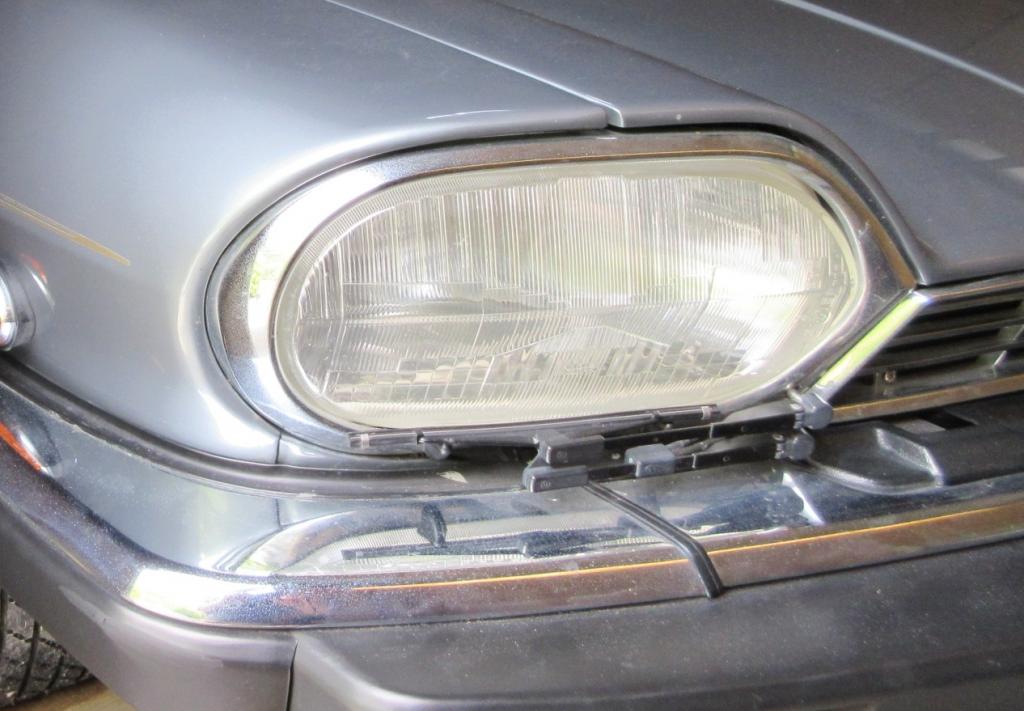
Jaguar rather made up for it with the elaborate system fitted to the XJ-S. Not content to just fit headlamp wipers, they fitted PANTOGRAPH headlamp wipers! Like those fitted to some buses and, notably, the rear wiper of a Porsche 928.

Jaguar's XJ-S used a pantograph headlamp wiper. OOOOH!

Jaguar’s XJ-S used a pantograph headlamp wiper. OOOOH!

The two wiper arms ensure the blade moves perpendicularly up the headlamp. Magical. The 1980s really were a magical time for the wiping of headlamps. Ford and Vauxhall even got in on the act though despairingly, Ford only ever saw fit to equip the Sierra Mk2 with headlamp wipers – though I did once see a Scandinavian-market Capri fitted with them. YUM.

Vauxhall went in for them in a bigger way, fitting them to posher Cavalier Mk2s and 3s, Carltons and the glorious Senator B. But the Vectra and Omega of the mid-1990s didn’t have them. The end was nigh. But why? How many of us have to battle the problem of dirty headlamps in the winter?

The Range Rover L322 was one of very few Noughties designs to feature headlamp wipers, but even that ditched them at the first facelift opportunity. How have we managed to lose such a practical and interesting (to me at least) design feature? Also, could I develop a system for the XM? The headlights need all the help they can get!

One final video – the most recent car I owned with headlamp wipers, and the only one I got a video of!

Fleet Trends – a quick overview

This evening, as I celebrate not buying a car for over three months, I take a quick look back at the various fleets over the years.


The fleet back in 2003

The fleet back in 2003

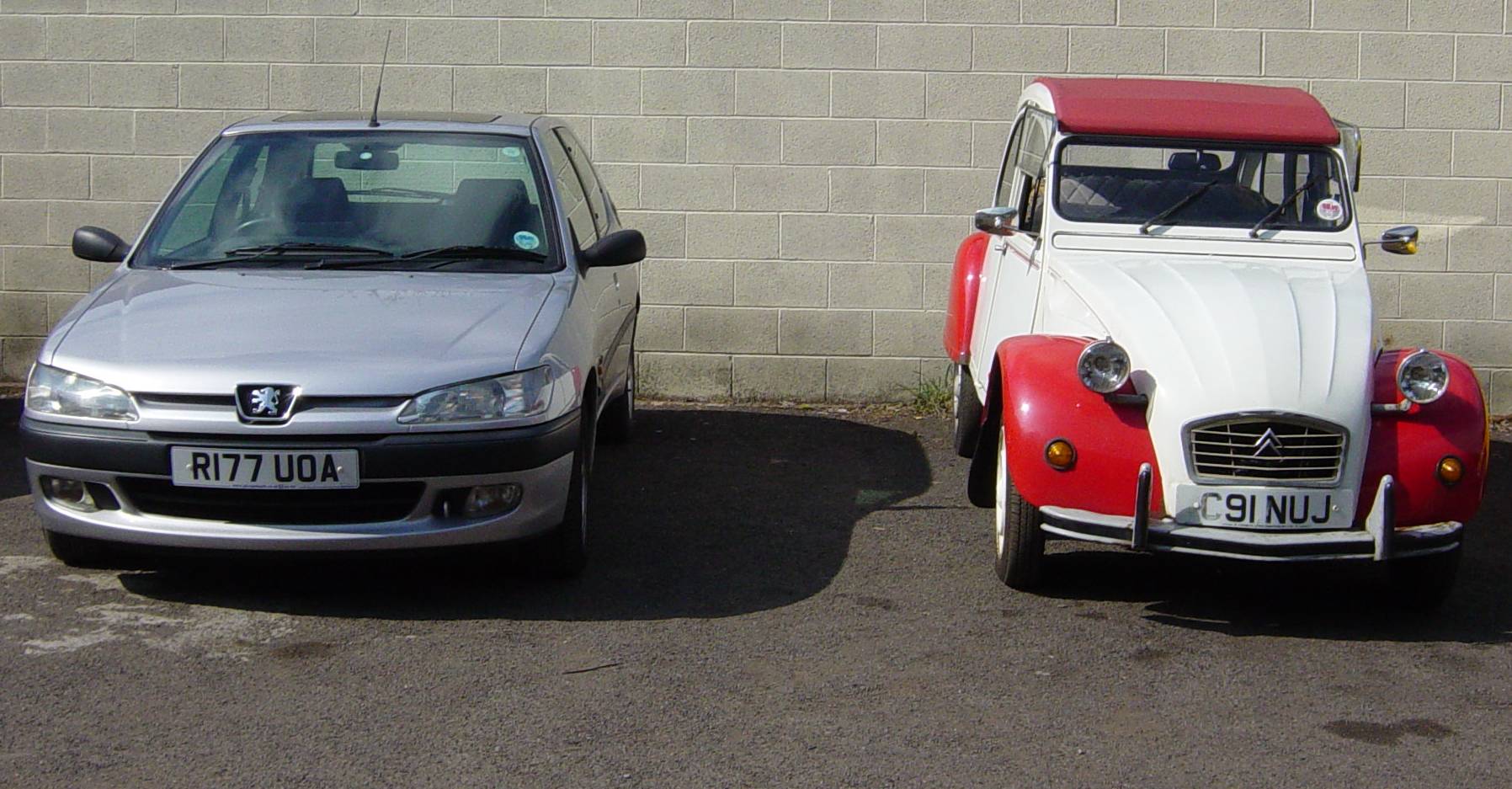
Now, I can’t be doing with the pre-digital days, so this story will start 12 years ago, when my 2CV had undergone the first half of its restoration – considerable body overhaul and a new chassis. Due to limited funds, the scruffy bolt-on panels had to remain scruffy for another two years. The other car is a rare beast. Ok, so Peugeot 306 DTurbos are hardly uncommon, but ‘Satine’ managed to remain on my fleet for a couple of years – long enough to clock up over 40,000 miles. A very nice car, but eventually, I tired of the turbo lag and the electrics were starting to get ‘quirky.’ I replaced it with an Audi 100 that was very dull. A few years and many cars later, we were in the dangerous position of having plenty of parking space…

2010 and things are getting silly

2010 and things are getting silly

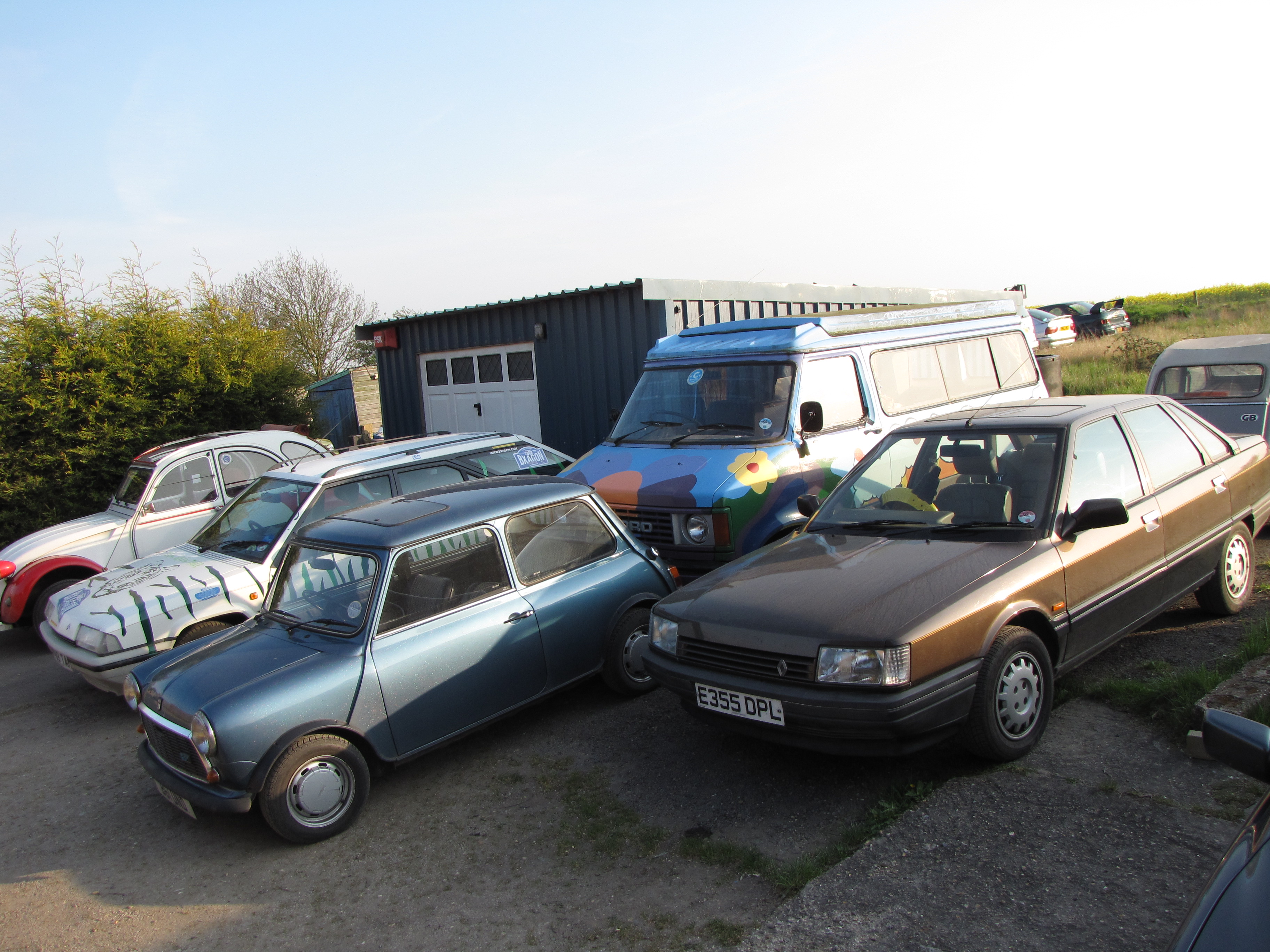
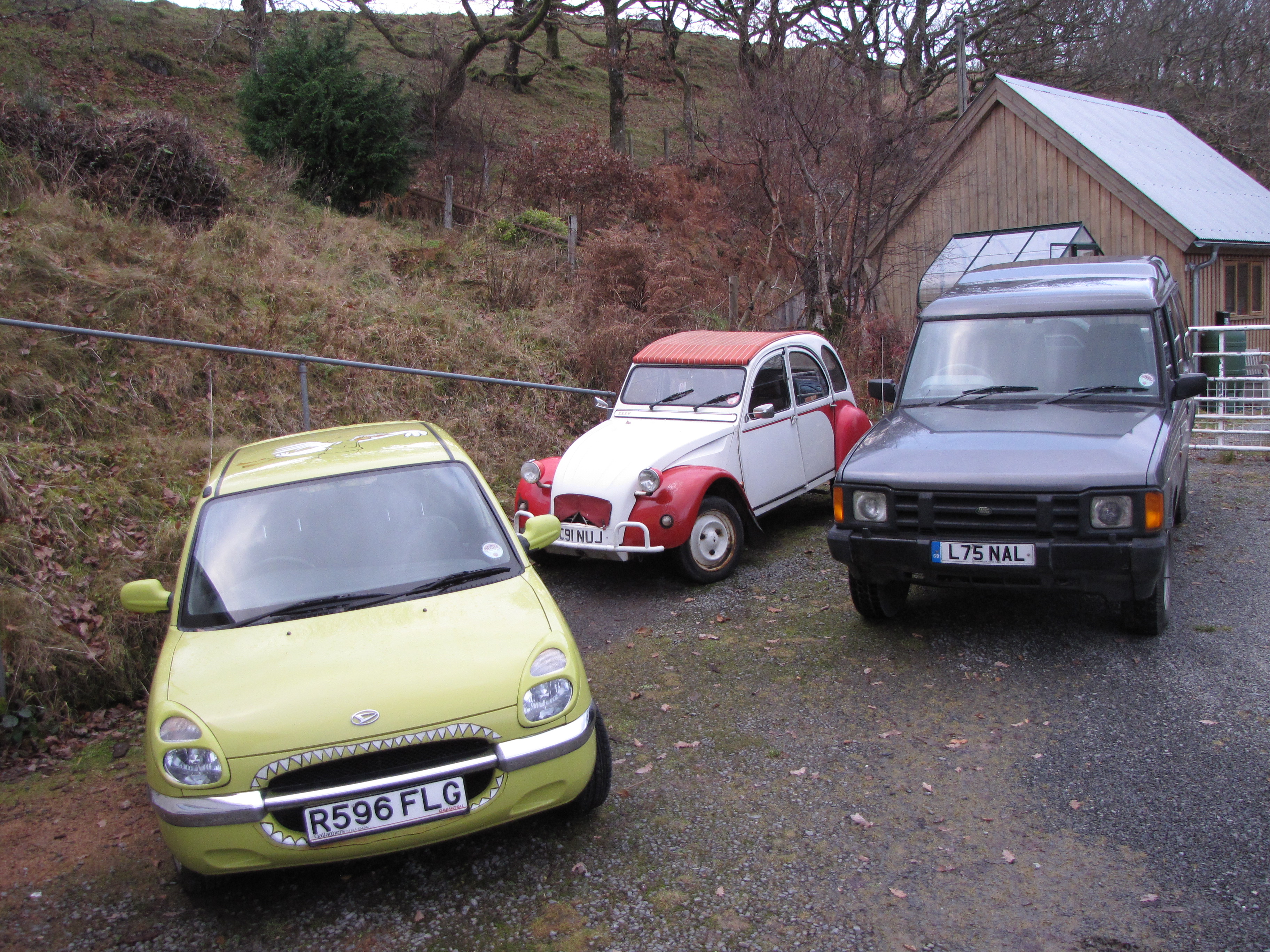
Yes, there are six vehicles in that shot. I think there was still a Dyane in the garage too. The Mini was my wife’s daily, the BX one that I owned twice and drove 3000-miles around the perimeter of France. The Bedford CF was a camper van that we never actually slept in (we attempted it once but it leaked horrendously) though we did once lend it to some friendly Norwegians. The Renault 21 Monaco was a fine machine, but ultimately lacked quirk factor. The grey 2CV didn’t manage to get restored on my watch but the red and white one of course, remains. Later that year, we moved to Wales. An Austin Westminster A90 joined the fleet in May, but was a sad victim of the move. The Renault 21 turned into a CX estate and that, the BX, the 2CV and Mini all made the migration to Wales. We were going to live a frugal, hippy lifestyle, so obviously I bought a Land Rover 90 V8. By mid-2011 though, the fleet had settled to a very agreeable level.

Perfection achieved?

2011 and the fleet looks almost sensible

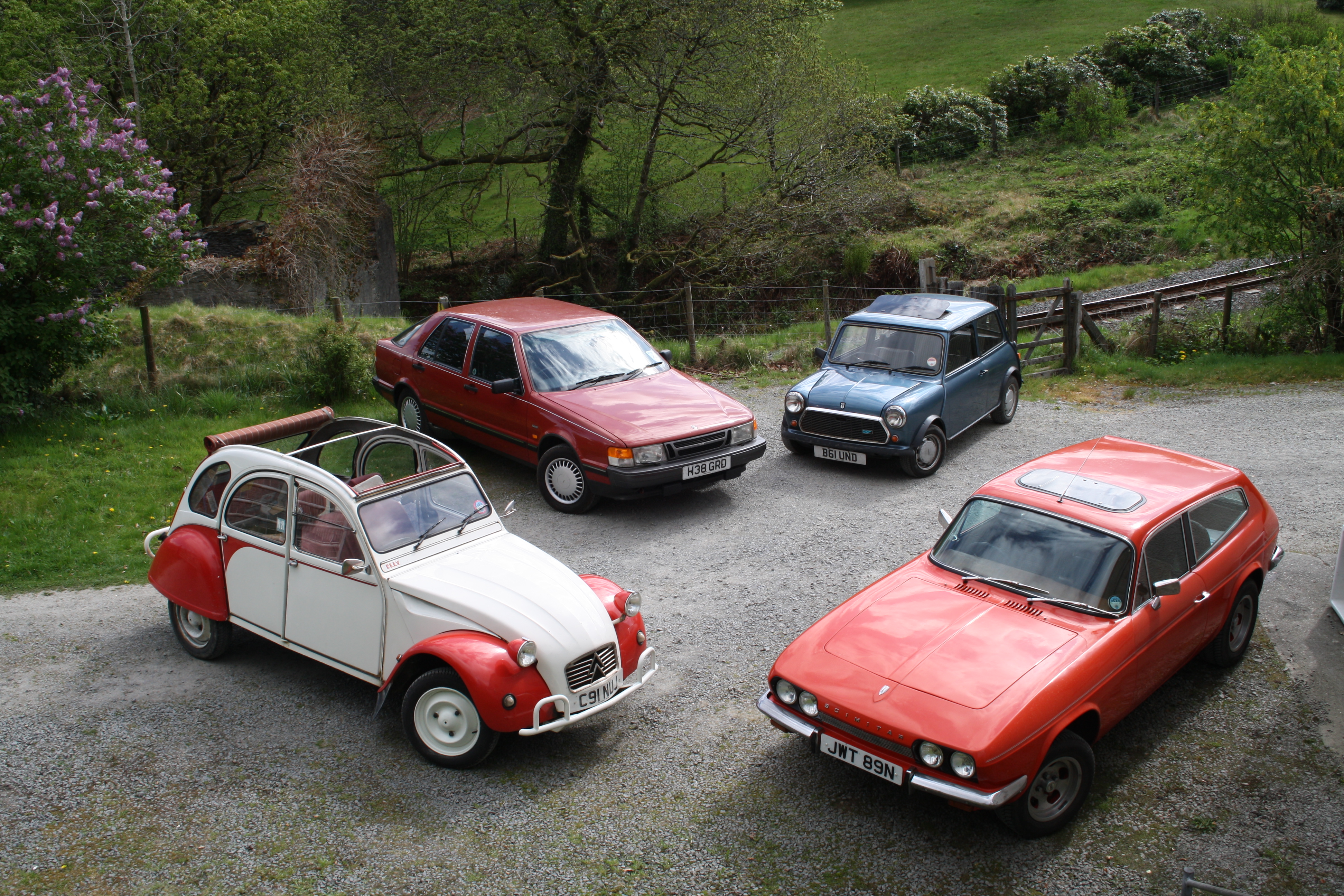
The two little economy machines remained, though I was finding that chasing rust was becoming a new hobby. Perhaps that’s why I opted to buy a Reliant Scimitar GTE, though I soon began to regret it with every mention of Princess Anne.

The Saab 9000 was a thoroughly decent motor. Its 2.3-litre four-pot engine had 150bhp so it went well, but it also regularly achieved 34mpg. Not bad at all. It had headlamp wipers too. Bliss. Naturally, I got bored and it got sold.

2012 and some familiar faces

2012 and some familiar faces

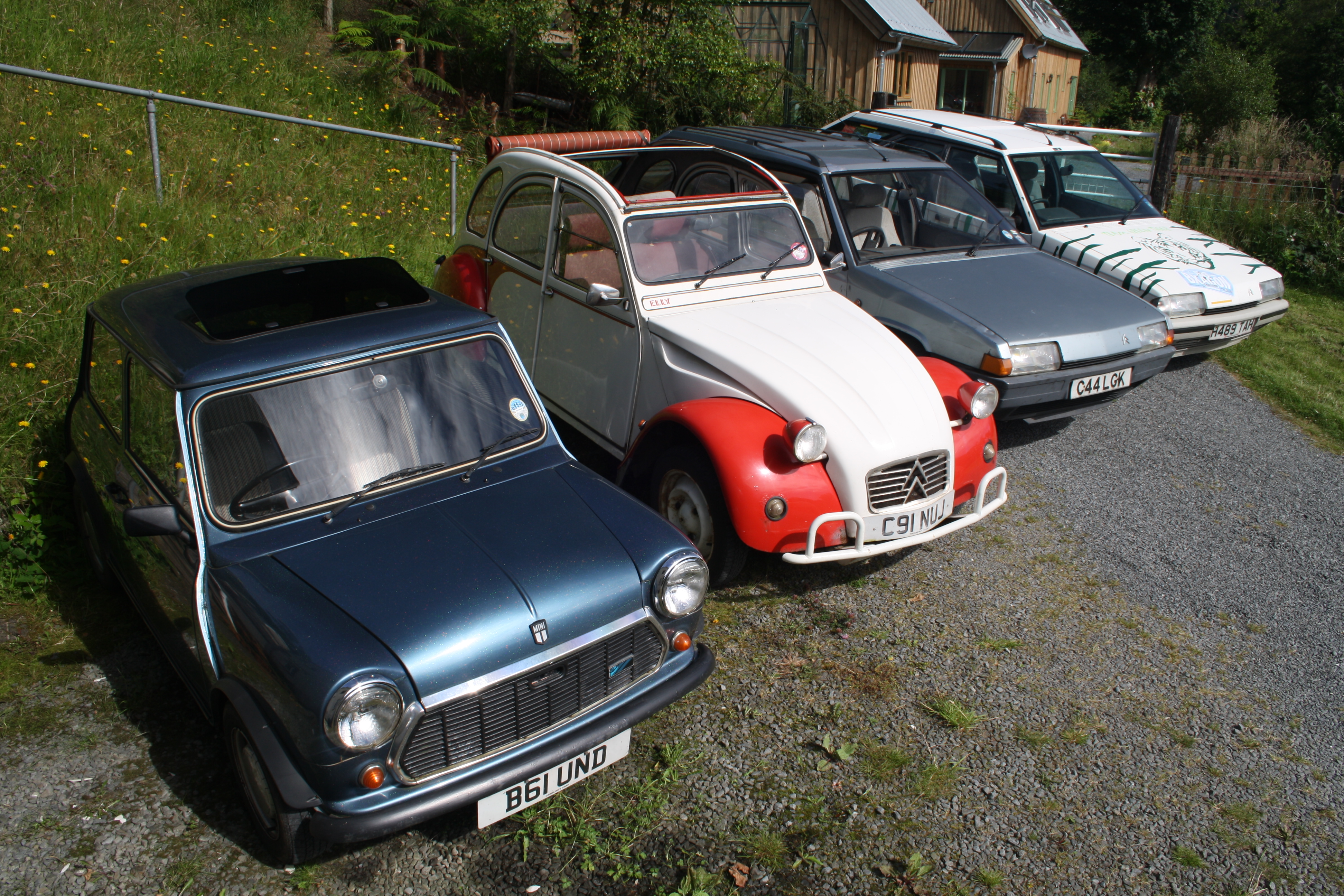
In 2012, I somehow got the stripey BX back and it joined another BX diesel – an exceedingly rare and shabby Mk1 estate. For some reason, the Mk1 Maverick I owned at the time isn’t in shot. By the end of the year, four of those five had gone, including the Mini. It wasn’t getting much use at all, so we sold it before it just became a pile of rust. Maybe I should have sold the 2CV back then as well. The end of the year saw just the 2CV and a BX turbo diesel on the fleet.

2013’s classics included a Mercedes-Benz 300E W124, which was thirsty but nice, but the real highlights were finally owning a Land Rover Discovery 200Tdi 3-door and the unexpected oddity of a Daihatsu Sirion.

The fleet. Not as good as it looks...

December 2013, and the fleet is very rusty.

I’d been fascinated by the Discovery since it was launched. I even boldly planned to have one as my first car at one stage. Ah, the idealism of youth. I still love looking at photos of this one. It was a great colour and had those fantastic side graphics. Sadly, I didn’t really have the funds or inclination to keep pouring money into it. It needed it! These things rot quite spectacularly. I had to say farewell. The Sirion was a good consolation. It was huge fun. Sadly, it was hugely rotten too.

The fleet took a while to settle down after the departure of the Sirion, but in October 2013, settle d down it did.

In 1989 and 1990, you could buy either of these brand new!

The fleet has remained at just this pair for three months! Record, surely.

In many ways, this pair are perfect. Between them, they tick off an awful lot of boxes. One is supremely relaxing, quirky, practical and entertaining to drive, the other is supremely noisy, quirky, practical and entertaining to drive. I have no idea what 2015 will see on the fleet. There is one car I definitely want, and many others that are quite likely! Who knows what we can expect.

Driving in icy conditions – low-tech preferred!

As I’m sure you’ve noticed, there is a cold snap occurring at present. I’ve been having a jolly old time comparing modern technology with old, so thought I’d report on some findings.

If things get slippy, there's no substitute for low-tech

If things get slippy, there’s no substitute for low-tech

First, the items of comparison. One is my Citroen 2CV. It has absolutely no assistance for anything, not even the brakes. It has Toyo 135 summer tyres, as while you can get snow tyres for a 2CV, it doesn’t seem that you can currently get anything with a true winter compound.

Second is my Citroen XM. This has powerful hydraulic assistance for steering and brakes. It wears Continental ContiWinterContact TS850 winter tyres.

It has to be said that both are managing to get me around, even on untreated, narrow country lanes with no problems. Sure, conditions still need to be respected. There’s an awful lot of sheet ice around and you won’t find grip on that with any tyres that lacks studs.

To be honest, things haven’t been too bad so far, though traction and braking are both affected at times. I largely manage to avoid problems by using my brain – stay off the brakes as much as possible and if the car begins to skid, don’t panic. The ice patches are generally quite small, and safety can be assured by simply doing nothing at all. I was fretting when following a car on the snowy A44 the other day, as the driver appeared to keep hitting the brakes every time they got worried about grip! Not a good idea.

But, I’m noticing that I’m far more comfortable driving the 2CV in these conditions than the XM. That’s because I can really feel the grip levels. Hit black ice in the 2CV and you really can feel the effect it has on the steering wheel, even when travelling in a straight line. This saved me a few winters ago, again on the A44. I felt a lack of grip as we climbed up a hill. There wasn’t anything as dramatic as wheelspin, just a very slight tug on the wheel to tell me that only one wheel had grip. I slowed down as a result. We went around a bend and the back end stepped out of line. I maintained throttle position and steered into it and gathered it up.

The Ford Focus that was charging up behind me, oblivious to the diminished grip, got a REAL tank slapper on! Fortunately, he’d had some warning by watching me and fair play, the driver managed to gather it up. He didn’t seem as keen to go quickly after that!

I’m not sure I’d have that level of knowledge in the XM. Power steering robs feel and I find I’m much more on edge if I don’t trust grip levels. It is by far the clearest indication of how different modern cars have become. You’re so insulated against the outside world that you might not realise that you’re in trouble until it’s too late.

It’s a similar story with off-roaders. I prefer my Land Rovers with mechanical diff locks and driver sympathy. The problem with relying on technology is that it isn’t always able to cope, and drivers then don’t have enough skills to deal with a problem. This video is a perfect demonstration.

Stay tuned for further reports. I’m urgently trying to get the XM rear wheelarches painted as significant snow is forecast later today. This may be a very good opportunity to test XM on winter tyres versus the 2CV.

Further dilemmas of the hippy petrolhead

The other day, I discussed the battle I have between caring for the world’s resources and driving something that runs on million-year old dinosaur juice and ended up getting slightly political. I promise not to do that this time!

The next dilemma is one of skintness. In some ways, we’re pretty well off. We own our house outright, receive no state benefits (or any other to be honest) and owe no-one any money at all. But our actual income is tiny. Rachel has chosen not to work at all to focus on growing vegetables, minimising our need to consume (making clothes, repairing things that most people would throw away) and attacking some pretty serious DIY – like making solar panels for our hot water. Her own Blog is a good way to see what she’s up to.

Replacing the entire floor was a pretty big project.

Replacing the entire floor was a pretty big project.

As you’ll see, it’s certainly not all joy, but there is an overall feel-good factor. I wade in occasionally when muscle or extra brain power is required. Similarly, I bounce creative ideas of my good lady wife when it comes to writing, and she’s good at making sure I get the paperwork done…

I keep working because we do actually need some income. Firewood is not free (apart from the rare occasion when we score a load) and I have an expensive hobby – cars! I am also rather prone to eating meat. However, I also write about old cars for a living, so my income levels are sadly nowhere near that of Mr J Clarkson. Maybe if I wrote about posh stuff, I’d earn more money, but I don’t like posh stuff…

Despite being so skint that we’ve had to delay buying new shoes, we still feel a strong urge not to penny-pinch too much. We won’t buy poultry that isn’t free range for a start. In fact, like beef and pork, we often buy direct from farms. That way, you can get a huge chicken – much larger than you’ll get  in a supermarket – and we can have an entire week of meals from one bird. The carcass is boiled down to make stock which enables rice and pasta dishes that can be made very cheaply indeed. That flimsy, £5 supermarket chicken that had a hideous, caged existence isn’t looking so good. It doesn’t taste so good either.

I’m the same with fuel. I support our nearest petrol station as often as I can, regardless of price. I’m not driving vast distances at the moment, so the extra cost is easily justified. Mind you, I checked the prices yesterday and the supermarket was an entire 1p cheaper. Less than £1 difference for a fill-up. This is therefore hardly the largest frivolity compared to other running costs.

We try to avoid the bigger businesses. We do shop on the high street, though sadly even with our good intentions, a big supermarket shop still tends to happen every six weeks or so. Aberystwyth is blessed with a large number of independent retailers though, and the independent coffee shops are a far nicer place to hang out than the Morrisons Cafe. Or tax-dodging Starbucks.

The problem is, when everyone focusses on price above all else, quality suffers as manufacturers try to out-do each other with cost savings. That’s why supermarket meat, especially the cheap stuff, is so horrible. An animal somewhere in the world probably had a really horrible life, then its innards are packed full of water so you feel like you’re getting a good ‘weight’ of meat for your £1.

That said, we make quite a lot of savings by buying own-brand food – like breakfast cereal and pasta. There’s less of a welfare issue here and to be honest, you can find yourself paying a lot more for a product that isn’t necessarily any better. With tea – a very, very important part of my working day – we buy Fair Trade, because lives do depend on it. Again, more expensive, but we feel almost duty bound to pay a little extra, even with our low cash reserves.

Living this lifestyle has certainly been educational. It’s amazing what you can actually live without. Certainly some large sacrifices have had to be made. Visiting friends and family has been largely reduced and I only bought four cars last year. We also attended far fewer 2CV camps than in previous years.

Fortunately, we live in a beautiful part of the world, and there’s no charge for standing and looking at the view, or walking up a hill (though we do need to invest in some decent waterproofs). We’ve also made a great many friends, so while we dearly miss our chums further away, we have got friendship on our doorstep too. Not something we’ve really had anywhere else that we’ve lived. We’ve never had a ‘local’ before either – something we didn’t budget for. Again, it’s amazing how little you can spend on a night out when you have to.

I've had worse office views if I'm honest

I’ve had worse office views if I’m honest. No, that sky isn’t photoshopped.

That again is a dilemma though. Especially during the winter, our local relies on local custom. I’d love to do more to support them, and other local businesses. It’s all well and good buying what we term as essentials from local companies, but it would be nice to be able to spend more. After all, without support, these local businesses will one day close – as our village shop already has. Proof that if the only thing that matters to you is cost, you might find that the quality of your life deteriorates as a result. Think more about what you actually need, and where your hard-earned money goes next. Thanks. A Hippy.

Brand Betrayal – why so much anger?

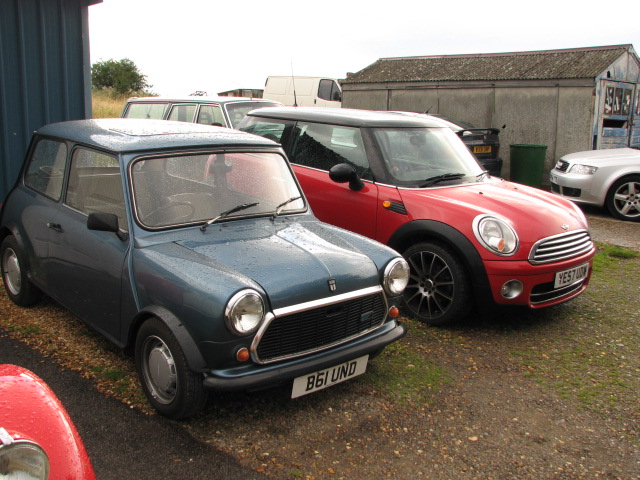
Brand loyalty is a curious phenomenon. People get very attached to a name. It’s like a religion to some people. “Though shalt not say nasty things about my favourite brand!” Some people like to tirelessly bore other people with their brand loyalty. Especially Apple users… The other side of this is huge anger when a brand ‘betrays’ its followers. Nowhere is this more clearly demonstrated than with the MINI brand. Frankly, even though I’m far from a fan of the modern incarnations of the MINI family, I’m even more sick of the ceaseless ranting from Mini-fans that “Issigonis would be turning in his grave,” and that these modern equivalents “are not proper Minis.” Even my own wife has been heard to mutter “they’re not Mini-sized!”

Are these both Minis? My wife says not.

Are these both Minis? My wife says not.

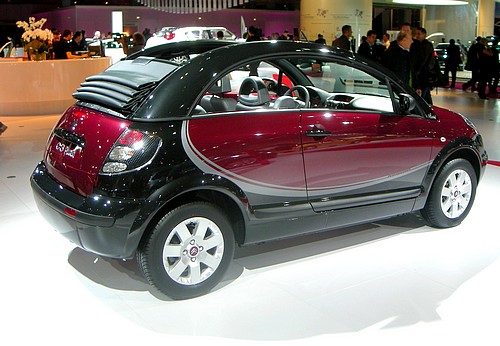
As the picture shows, she may have a point. But it’s astonishing how passionate people are about their brands. A lot of the anger seems to be that BMW bought The Rover Group, then sold it again, keeping the Mini ‘brand’ and using it to their own ends. The history that BMW presents is one of continuity, when Mini fans just see their favourite car killed off, and new, horrible, modern thing suddenly presented as an extension of a classic design. The same thing happens in the Citroen world. When the press started to bleat that the Citroen C3 Pluriel was the new 2CV, lovers of the Tin Snail worldwide could be heard muttering something under their breath that sounded very much like morse-ship. Giving a car a curvy roof and an utterly stupid folding roof that obscured the rear window was in no way recreating the hugely popular simplicity of the Deux Chevaux. It was just a horrific assumption by a modern manufacturer that a few design touches would cause a flood of nostalgia and huge sales would result. They didn’t. Not even when they tried launching a Charleston version. The Mini on the other hand, has been an enormous success. Fair play to it. Many British jobs have been created to support it. It may have tried the same trick as the C3 Pleurisy, but did a much better job on account of (whisper this) being really quite good. Sure, the suspension is hopeless, but that just makes it more like the original. I can see the appeal of a MINI in just the way I can’t with a C3.

Abject stupidity and appalling roof design. Bad branding.

Abject stupidity and appalling roof design. Bad branding.

Personally, I wish the Citroen name had died off long ago. With recent developments, perhaps it will. Perhaps it should. You see, Citroen has decided to launch DS as a new brand. Posh Citroens will now be badged without chevrons and without André Citroën’s name appearing anywhere upon them. That’s fine, as I find the DS range very hard to stomach anyway. They seem to be a range of hideously impractical trinkets designed for people who care for looks above all else. This goes entirely against that of the 2CV, where its curious style comes from the fact that it was designed to be practical first of all. That leaves Citroen as the poorest partner at the PSA Group. Parent company Peugeot sits somewhere between the two brands, so new Citroens are likely to be budget-based. Not a new philisophy – it is one that has given us such ‘exciting’ cars as the LNA, Saxo and Xsara Picasso. For a time, quirky, stylish and hydropneumatic-suspended Citroens lived on. But they’re now almost entirely gone. Which is why perhaps I feel no strong attachment to Citroen. After all, it shows scant support for older models. It is even crashing the original DS’s 60th birthday celebrations in Paris to launch its new, horribly blingy range. Some enthusiasts are outraged by this and have refused to take part. I can’t say I blame them. You see, just because I like older Citroens does not mean I must respect the current models. Citroen’s glory days where when Michelin owned the company, and used it more as a marketing tool for its tyres than a serious profit generator. Citroen has been in rather sad decline since Peugeot took over in 1975. Gradually, the individuality and engineering excellent that typified a Citroen was ebbed away. I see very little link between the Michelin-era Citroen and that of the modern day. But many do. That’s typical of many companies. I preferred Land Rovers when they felt like they’d been developed in a shed. Volkswagens used to have a feel about them that was very different. Very robust. It’s hard to tell a Golf from a Kia these days. Even Peugeots used to be better in the old days. They were so robust that you’d choose one over a Volvo. Even as late as the 1990s, Hondas felt like tiny, lightweight, well-engineered marvels in just the way that modern ones don’t. These days, brands owe very little to their heritage. They’re all about the marketing and nothing more. Individualism is frowned upon as too risky. When you look at the complete lack of profit in the first generation of Smart, perhaps its inevitable. Ford has long proved that you can make a lot of money with dull and unexciting and the most individual modern motoring efforts are nothing more than pastiches of past glories. Why can’t these companies come up with NEW glories? What will the ‘retro’ cues be in 30 years time? Not that I care too much. For me, older cars provide all the answers I need.