Craptacular Road Test: Volkswagen LT

I remember clambering into a Volkswagen LT at the NEC Motor Show, probably in 1990 when I was 12. I can’t really explain why, but this was always the Volkswagen van of choice for me. For a start, it didn’t have an engine in the load bay. This seemed sensible. It’s also enormous and even as a child, I felt like I was sitting in more of a truck than a van. I was also already horribly addicted to the six-cylinder growl these vans usually emitted. My hearing was tuned to listen out for the smooth bark of an LT on the move. I guess it says something about me when an LT interested me much more than any other Volkswagen on the stand that year, including the Corrado with its clever lifting rear spoiler. Welcome to my world.

Cor! Far cooler than a Type 2

Cor! Far cooler than a Type 2

Somehow, it took until 2014 for me to get the opportunity to drive one, thanks to my mate Mat. He heroically used the van to tow a Hyundai Stellar V8 (a car I really would like to road test one day, when it’s back on the road, hint, hint) all the way from Anglesey to my village. How convenient! For the purposes of the test, the Hyundai and car trailer were removed and are pictured purely for artistic licence.

Clambering aboard is a challenge, as it really is like climbing into a lorry cab. You sit high up, with a huge steering wheel in front of you and your knees perilously close to the very front of the vehicle. A burst of glow plugs and the six-pot engine fires into life. This is largely similar to the engine used in the Volvo 700/900 turbo diesels (and the 240 on other shores). This one was turbocharged, kicking out 127bhp@4700rpm and a meaty 203lb ft of torque at 2550rpm [EDIT sorry, only 95bhp and 150lb/ft – which explains a lot!]. The five-speed gearbox has a dog-leg first. It’s a very short gear that you don’t generally need on the flat. I pottered around the car park in second and got a feel for the vehicle. It felt enormous! This is seriously wide and it feels far more so than the later, Sprinter-based LT.

Edging out of the car park, I aimed it up a hill. This was a mistake. Was the throttle broken? Had I left the handbrake on? Had a joking friend reconnected the car trailer and Hyundai while I wasn’t looking? No, it really was this slow! The turbocharger takes an absolute age to wake up. It’s laggier than a water pipe in Iceland. Mind you, it does make a superb noise as it spools up. Then there’s a brief burst of excitement as the engine growls more menacingly and speed builds up. Problem is, you have to wave a lengthy gear lever around to try and get the next gear before the turbocharger slows down too much. This is challenging work! Catch it off boost and performance just disappears entirely. My friend’s heroic towing efforts from North Wales became all the more impressive. Apparently, he was reduced to first gear at one point.

Thankfully, the steering is rather pleasant, so you can focus on extracting the best from the engine. This LT is camper converted, and they were never particularly light to start with. What amazes me most is that you could specify one without the turbocharger! With less than 80bhp, how do they even move? Hills aside, you can amble along quite nicely. It feels composed and almost relaxing. The high-and-mighty driving position is very comfortable. On flatter terrain, the turbocharger woes are less extreme. It does sound magnificent too. Multi-cylinder diesels are ace!

Overall, I’d certainly far rather drive one of these to Scandinavia than the Citroen H van we actually used back in 2007. Yes, it is still slow, but the engine sounds nice without being too loud, and it seems comfortable and refined at 50mph rather than screaming flat out. It’s a shame most have rusted away. I still maintain that the LT is a far better van than the rear-engined types. This was definitely a test I enjoyed. Worth waiting for!

Craptacular Road Test: Volvo 850

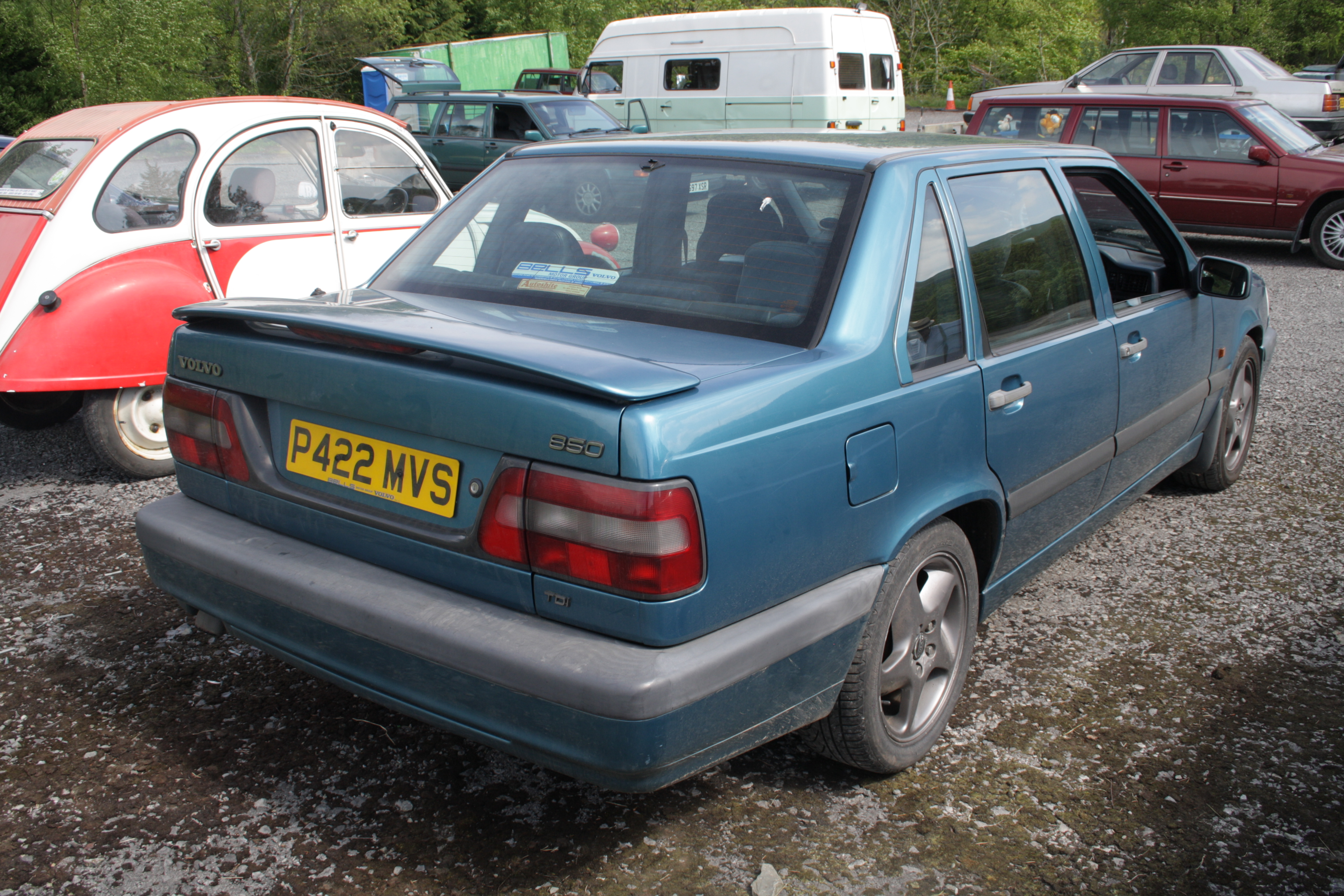
It may not look it, but the Volvo 850 was a hugely important car for the Swedish firm. It changed the company’s fortunes entirely, yet still looks unmistakably like a Volvo should. It was a car that demonstrated that Volvo could do performance. 850 estates went racing in the British Touring Car Championship, while the later saloons actually won races and vied for the title. The 850 was actually launched in 1991, which scares me a bit as I see it as a modern car. UK sales began in 1993, with a range of engines available, all five-cylinder. That’s a good start.

The T5 and T5R were the headline makers. They had silly amounts of power and very short tyre life. I ended up driving the 2.5TDI automatic, which is probably my favourite version as power is unnecessary in my book – perhaps even undesirable. While petrol versions used a new, Volvo-designed engine, the diesels used a Volkswagen five-cylinder engine. One I’m very familiar with as it was also used in the Volkswagen LT van. In the Volvo, it develops 140bhp.

Volvo's game-changer. Nice colour

Volvo’s game-changer. Nice colour

This example uses the ZF automatic gearbox. I think the diesel/automatic combo is a really good one, when both engine and gearbox are strong. I once drove a Citroen C5 diesel auto to Paris and back. It was supremely relaxing, even around the French capital. This was starting to feel less of a Volvo 850 road test and more of a polite introduction at the start of a new relationship. Would I be inviting it home for coffee?

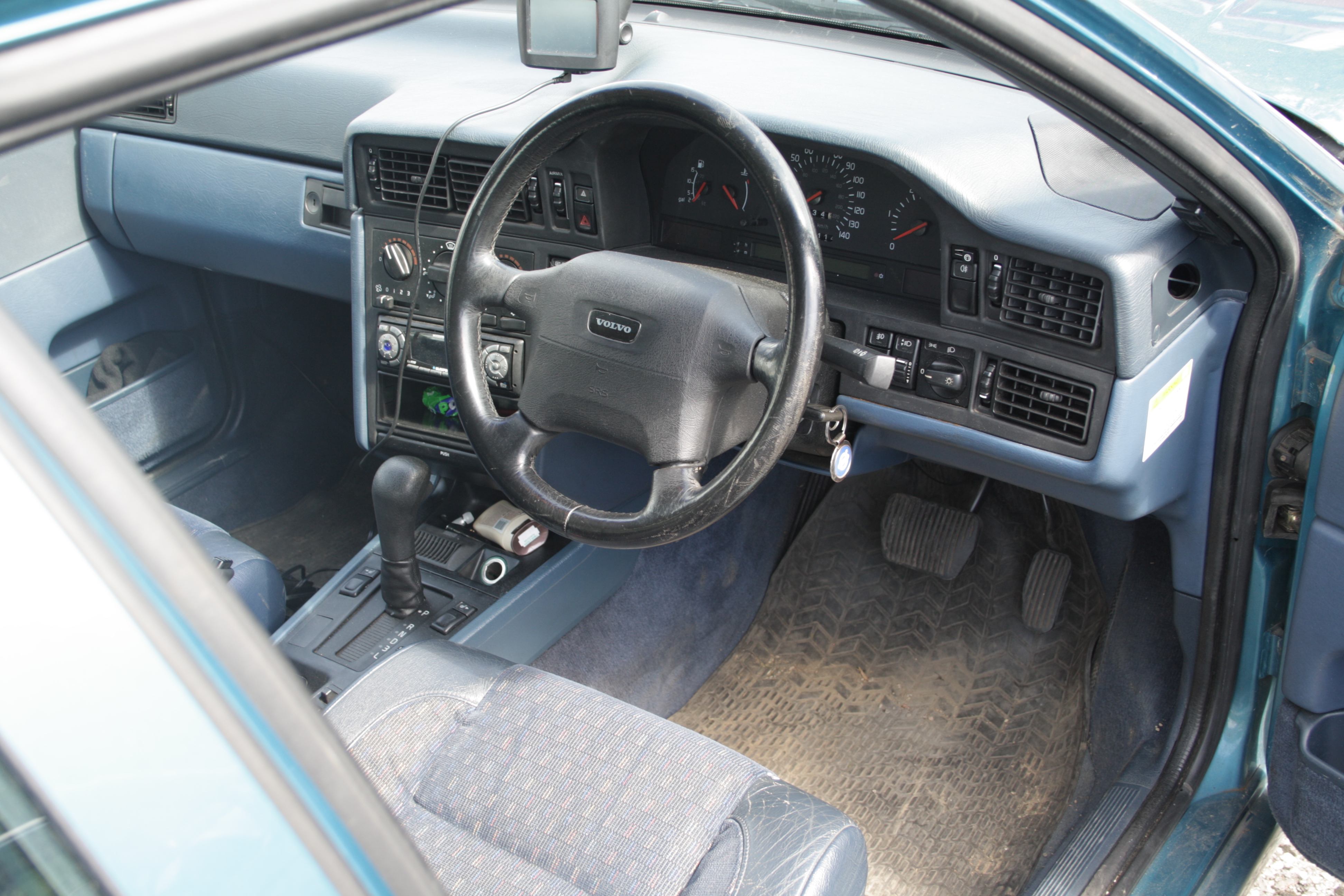
Clambering aboard started well. Comfortable seating is matched by a delicious amount of blue. As you’ll recall from my Land Rover Discovery and very blue Nissan Bluebird, I’m not averse to a bit of colour inside a car. Indeed I very much welcome it.

Very blue, surprisingly nice

Very blue, surprisingly nice

The engine fires up with a distinctive, off-beat clatter. One that’s very familiar from the minibus I drive. Pulling away is simply a case of slotting into D, releasing the handbrake and letting the torque ease you away. The engine growls in a quite delightful manner but the gearbox is a perfect match for it. It’s happy to use the bountiful low-down pulling power and doesn’t seem over-keen to kick-down. Perfect. Give it a boot full, and it certainly will drop a ratio, allowing the engine to warble as the revs rise. Turbo lag seemed remarkably non-existent and while performance certainly isn’t spectacular, it’s strong enough. The owner reported that it was simply effortless to drive down from Fife in it, and he was getting 48mpg. Remarkable.

The ride isn’t super smooth, but that’s compensated for by a composed feeling when cornering. The spirit of the car doesn’t really encourage all-out hooning, but the steering has a nice weight to it and is nicely direct. Bodyroll doesn’t seem to happen much either. It’s a very nice car to drive briskly even if it isn’t one for thrashing.

This is a late saloon - production ended in 1997

This is a late saloon – production ended in 1997

I was impressed. This felt like a car sitting poised and ready to eat up some miles. Even better, early ones now qualify for classic insurance! I’m finding it very hard to resist checking out the classifieds. Ok, I HAVE found it very hard to resist checking out the classifieds. Problem is, I’d have to sell my BX to afford a Volvo. Not sure that’s a leap I’m ready to make, but I did enjoy the Volvo very much. It’s a car that changed the public perception of Volvo, and very much for the better. The 440 and 480 hadn’t really had the market impact Volvo needed from its move to front-wheel drive. The 850 was the car that made the grade. Deservedly so. I thought it was rather marvellous. I’d better stock up on coffee.


Craptacular Road Test: Peugeot 504

I have a vague memory of travelling in a white, Peugeot 504 estate taxi back in the mid-1980s. My main memory is that I was upset that the driver wasn’t wearing a seatbelt. It may have been the first taxi journey I ever took, as a child of no more than eight years. I’ve not really been anywhere near a 504 since. It was time to make amends! And yes, I did wear my seatbelt.

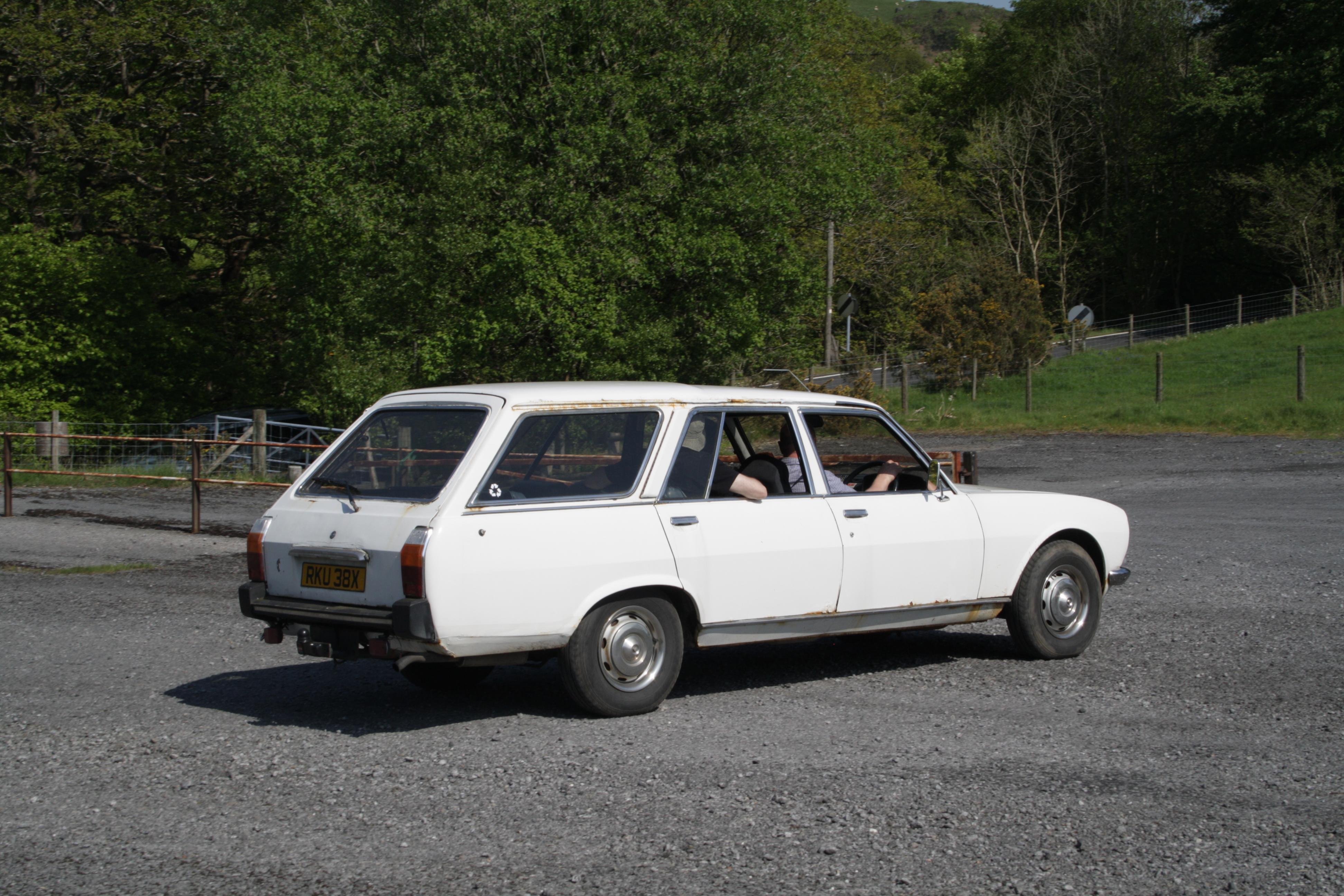
Peugeot 504 family estate diesel

Forget MPVs. The 504 does all you need

This particular example had, naturally, been used as a taxi on the island of Jersey. It came to the UK in January of this year, with crusty bodywork but sound mechanicals. It uses the Indenor 2.3-litre diesel that also ‘powered’ early Sierras and Granada Mk2s. It develops a whopping 71bhp at 4500rpm, and 99lb ft of torque at just 2500rpm. Fabulous.

I clambered aboard not really knowing what to expect. The 504 was legendary for its toughness, and it only went out of production in Nigeria a few years ago. It won the notoriously harsh Safari Rally in 1975 and the Moroccan Rally that same year and in 1976. Pretty impressive for a car that was hardly a ball of speed. The saloon had independent suspension all-round and could be specified with fuel injection, but the estate always used a tougher live axle, as did some povo-spec saloons. I guess I was expecting it to feel tough, rugged and a bit uncomfortable.

Settling in behind the wheel, comfort was the over-riding sensation. Big, soft seats are very typical of a French car of this era, as I know well from my Citroen exploits. Just think – a French estate of this era could be either a fantastically futuristic Citroen, or an entirely simple Peugeot. Either would seat up to eight passengers. The French did family cars in a big way!

Peugeot 504 estate rear

HUGE boot, lots of seats, surprising style

The engine fired noisily into life. This is a proper old school diesel. A manual control alters the injection pump timing to allow smoother cold starting. Barely any throttle, ease the clutch up and I was away. I went slogging straight up a steep hill, but revs were not the order of the day. I very soon found myself in top gear (four speeds) with the prodigious torque ensuring good progress with barely any fuss. Don’t get me wrong, this was hardly swift progress, but it was very relaxing. The ride is superb and I began to imagine driving great distances with no bother at all.

As long as speeds aren’t too high. The gearing is rather on the short side, and a fifth gear would have been very desirable. The real surprise came when bends were encountered though. The rack and pinion steering is power assisted and, rarely for the time, it’s absolutely wonderful! There’s just enough assistance, not too much. Feedback is dulled down, but the steering has enough weight to it to make you feel confident about driving briskly and is nicely direct. Yes, there’s some bodyroll but it feels totally secure and surprisingly nimble for such an enormous car. The clattering engine becomes a dull hum once you’re moving too. It’s much more pleasant than I expected – something echoed by all who drove the car. Good brakes (all-disc) just add to the pleasantness and while gear changes are rarely required, the lever has a nice, precise action. Not bad at all for a vehicle over 30 years old.

It has become very rare to see such a marvellous car in the UK. There are two reasons for that. One is that they rust like you wouldn’t believe. The other is that a great number have been exported to Africa. Really, very little can touch a 504 for robustness. It’s incredible what they’ll handle. What I found even more remarkable is that they’re incredibly nice to drive too.

Most 504s have a very hard life!


Craptacular road test: Lada Samara

I went to school with a girl whose father worked for Lada UK. I used to like visiting her house, because she was quite cute and, more importantly, because there would always be a Samara on the driveway. Usually with a bodykit and alloys. Not an entirely successful attempt to make the car appealing it must be said.

But I still liked the Samara. It looked like it could have been a major game changer for Lada, in the same way as the Favorit had been for Skoda (another favourite of mine). It never was. It always looked a bit too ungainly, unlike the Italian-styled Favorit. Build quality was never the best either and when other budget cars came over from South Korea and Malaysia, using proven Japanese underpinnings (Kia Pride, Hyundai Pony II, Proton) it sounded the death knell for Lada in the UK. Sales ceased in 1996.

Naturally, I’ve still always liked them, but have never had the opportunity to try one. That drought came to a spectacular end very recently, though the example I got to drive could not be described as the best I’ve ever seen. It was covered in bird muck, had an interesting selection of wheeltrims, had an exhaust leak and used a non-standard carburettor. Beggars can’t be choosers though. It was this Samara or nothing.

This Samara lives in Yorkshire, having been owned by a pair of brothers up that way since 2012. It’s a daily driver, and it shows! The carburettor developed many diaphragm faults and was replaced by a surprisingly similar one from a Peugeot 205 1.4. This Samara uses the larger 1.5-litre engine, allied to a five-speed gearbox and using front-wheel drive.

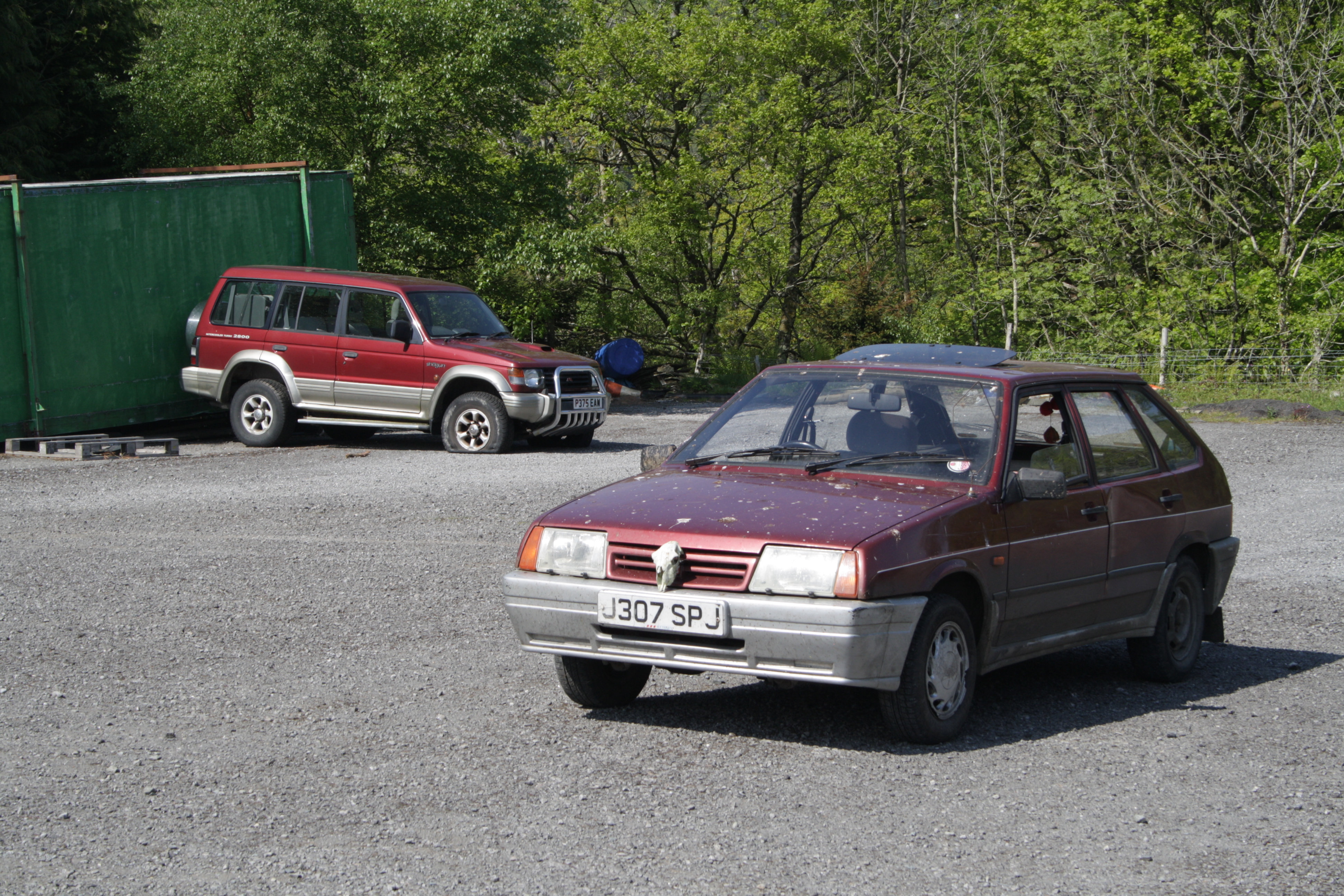
Lada Samara

Mitsubishi stole Lada’s paint idea

Someone on a walk found a sheep’s skull, so that was added to the car as a bonnet mascot. It slightly obscures the later grille design – the initial one was particularly odd-looking. Naturally, I quite liked that, but most people don’t, so the design was changed. I’m not sure it really helped sales though.

Inside, it had been stripped out. Not for racing, but so it could be slept in. The passenger seat had been replaced by a crate, to make the car long enough to accommodate a Yorkshireman.

The interior was not entirely perfect

The interior was not entirely perfect

Clambering aboard was hilarious. The driver’s seat was out of a Rover, and the sports steering wheel seemed utterly out of place. The door closed with not too horrific a noise though, shortly after a warning that third gear synchromesh wasn’t very effective, and nor were the brakes. Oh and it cuts out on left-hand bends or if driven gently, so it’s better to thrash it. Ok then!

The four-cylinder engine fired noisily into life, thanks to that leaking exhaust. I selected first, noting that the selector felt surprisingly good, and I headed off. The brakes really were awful, which is worrying as they were now apparently better than they were after the owner resorted to some in-car-park tinkering. Happily, I was about to drive it up a steep hill, so I didn’t need brakes anyway.

Putting my foot down, as ordered, I was amazed as the Lada verily roared up the hill with unseemly fury. I quickly snicked into second for more of the same, before gently slotting into third, then fourth. This was astonishing! I wasn’t expecting a car that went so well, and made such an entertaining noise as it did it. The driving position is odd, with the steering wheel really thrust out at your chest. But the steering itself feels great, and allowed me to push on in the bends – which is good as slowing down isn’t a strong point of this car.

Yes, there were various plasticky rattles, but it was hard to tell whether this was from the dashboard or the bread crate I was sitting next to. Yes, the car did cut out on left-hand bends. Momentum was your friend here. Just try to carry as much speed as you can and ease off the throttle. It was hilarious to be honest! The handling was surprisingly good, with not too much bodyroll and surprising grip from the cheap tyres.

On the way back down the hill, the car very quickly reached a speed best described as ‘around the speed limit.’ I managed to bleed speed off with careful use of the appalling brakes, and neat downshifting – double-declutching into third to avoid a crunch.

Not as crap as it looks. Or perhaps it is...

Not as crap as it looks. Or perhaps it is…

There was no doubting that this was a car you really had to drive, with foibles a-plenty. With actual working brakes though, it would be even more fun. It would stop ok (I wouldn’t have driven it on the road otherwise) but the pedal felt wooden and needed a really hard shove. Perhaps a weak or leaky servo. Everyone who drove it came back grinning though. You expected this car to be hopeless, and it resolutely wasn’t. I suspect a lot of people are now looking for a Samara to buy. I certainly wouldn’t rule one out!

In many ways, the Samara marks the end of the ‘crap’ budget car. The Favorit was refined by new parent Volkswagen into the Felicia, and Skoda is now a household name. Lada wasn’t so fortunate. When budget cars became older versions of current, good cars, the Samara was always going to be in trouble. That’s a real shame because as I discovered, budget cars can be an awful lot of fun, rather than just awful.

Pic courtesy of KruJoe on the Autoshite forum. Me enjoying the Samara while Elly the 2CV watches

Heritage Motor Centre – an amazing day

The Heritage Motor Centre contains some incredible cars – absolute icons mingle with odd prototypes and immaculate examples of cars the world didn’t necessarily take all that well to. I got to drive some of them last Thursday, as you can read in this week’s Classic Car Weekly (7th May issue).

That article gives you the background for why it happened, but here I’m going to focus on the vehicles that really stood out for me. One is HUE 166 which, as any Landy fan knows, is Land Rover Number 1. There’s some debate about exactly what this means – some reckon Huey is the first production Land Rover, others that he is in fact a pre-production one. It also must be said that a thorough restoration (Huey was sold by the factory and used as a farm hack for several decades) in the 1970s included the fitment of quite a few non-original items. Such as the rear body. And trafficators.

First Land Rover

HUE 166 and a hairy bloke (Pic: Richard Gunn)

I couldn’t care less. Huey remains one of the most significant vehicles in our motoring history. He’s one of the most famous too, and is very often wheeled out for events and TV programmes. I seem to recall that Dick Strawbridge drove him around on a beach in North Wales as it’s where the concept of the Land Rover was conceived. But, this was my chance to get behind the wheel. I was thrilled.

For a start, I’ve never driven a Land Rover older than a Series III and have always loved the cute looks and earnest appeal of the super-basic Series 1. As I clambered aboard, my 2CV began to feel almost luxurious! It’s rare to see quite so much exposed metal on a car. I gave the starter a shove, and the 1.6-litre, inlet-over-exhaust engine fired promptly into life. This was it. I was going to do it!

So, it was a shame that I pulled away in third gear really. The gearing is so low that this didn’t really seem to matter, but down-shifting to second for a particularly nasty speed bump confirmed my error. I had my suspicions by this stage! Huey felt quite sprightly really, and eager to stop too. Noisy, certainly. Not just engine noise, but the rattles and bangs of many metal panels. I got a chance to go back to third, and did a beautiful double-declutched downshift into second for a tight roundabout. There is no synchromesh on first or second.

Then I got a good run down towards the Centre and managed to get up to fourth. I was having the time of my life! Not only was I driving a Series 1 Land Rover, but this was the most famous of them all! Sadly, they wouldn’t let me take a trip around the off-road course.

Other iconic vehicles were present, but sadly while I got a short drive of the first Morris Minor – NLW 576 – the brakes had failed, so I had to be somewhat careful. Happily, I’m an expert at driving vehicles with no brakes… The Rover P6BS was an astonishing opportunity too, though sadly tainted by a hideous misfire. I doubt more than five cylinders were working.

My next choice was a Range Rover that has fascinated me since I was a child. In 1971, two Range Rovers drove the length of the Americas, from Alaska to Cape Horn. Most of the 18,000 mile journey was no problem at all, but the Darien Gap was the tricky bit – a chunk of rainforest and swamp that joins North to South America. Through here, they averaged just 2.5 miles a day. I’ve read many features about these cars, both of which survive. One is part of the incredible Dunsfold Land Rover collection, the other was retained by Rover and is a car I can remember from when I first visited Gaydon back in 1993. I remember standing next to it wondering about the adventures this car has undertaken and being struck by the contrast between jungle-battling and standing silently in a museum.

Darien Gap Range Rover

Therefore, I was overjoyed to get the opportunity to actually drive one of these famous vehicles. I wasn’t the first – it seems it was taxed in 2012 at some point. That probably explains why it was so joyous to drive. It felt absolutely spot on. Top heavy, yes. It still wears the ladders they used to cross the forest and they make it top heavy! So overloaded were the cars that the rear differentials developed a habit of very often breaking on the trip. Experts were flown out from Solihull to pinpoint the problem and the vehicle loads reduced.

This Range Rover has an amazing history, from over 40 years ago!

This Range Rover has an amazing history, from over 40 years ago!

Some cars were only available for passenger rides – such as a 1904 Rover and an MG Metro 6R4. Time didn’t allow for such pleasantries, but I did drive a mix of other vehicles, including an Alvis TE21 and an Armstrong Siddeley Sapphire 346. These were very pleasant indeed, but neither really stood out. After all, they were just classic cars albeit rather nice ones. It’s amazing how historical context makes one car feel so much more special than another.

Which brings me to the Triumph Lynx. I almost didn’t get to drive it, as it spectacularly blew a coolant hose after a couple of drives. Hats off to the Heritage Motor Centre mechanics though, because it didn’t seem to take them at all long to get the hose changed.

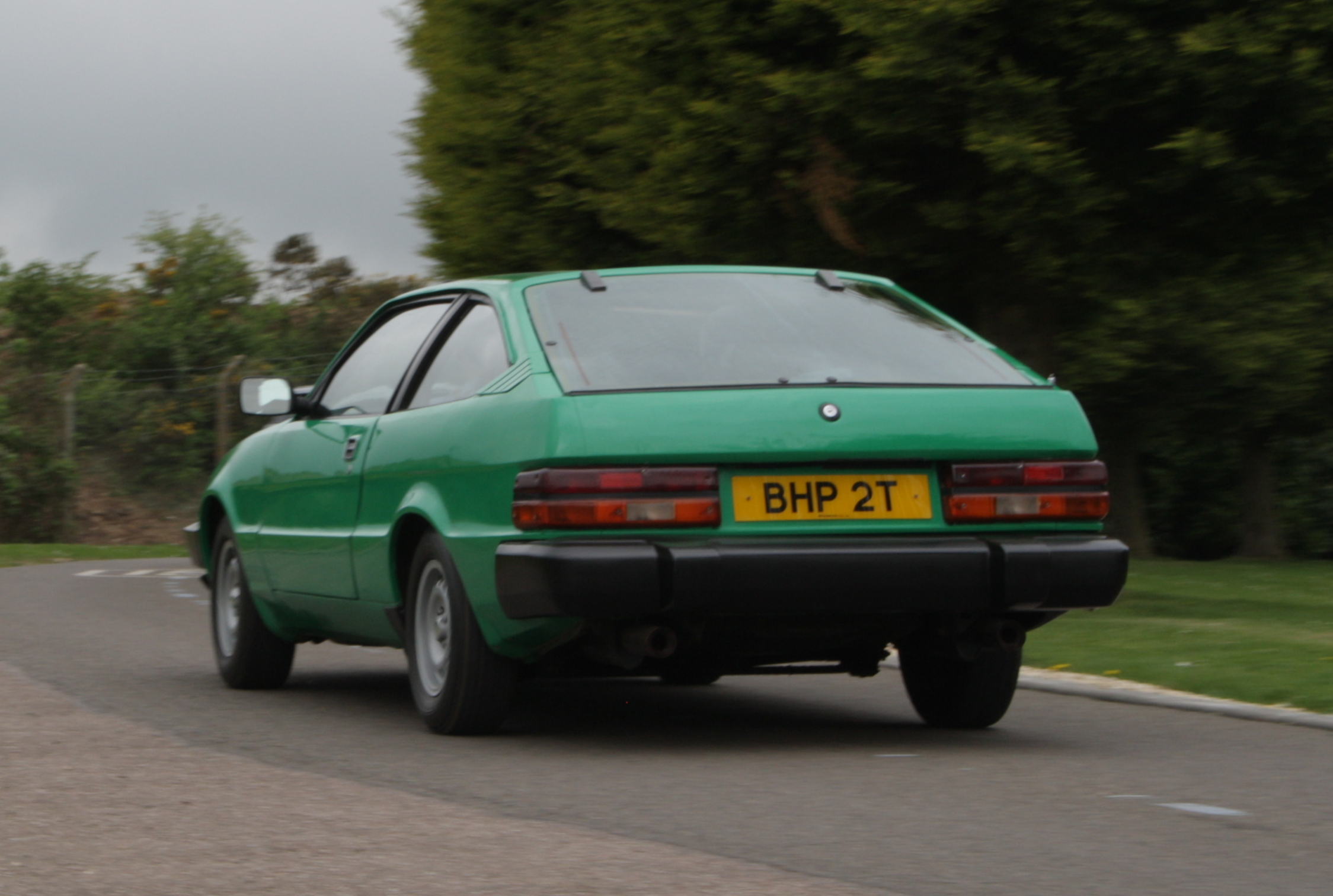
The Lynx is actually a pre-production example. They got that close to actually building it. The styling is an odd mix of Harris Mann’s TR7 and a Canley designed rear. Not the happiest rear end it must be said. The platform is extended TR7 but with a Rover SD1 rear axle set-up. It’s a Capri-rivalling, US-pleasing V8 four-seat coupe. Sadly, industrial relations were so bad at the TR7 factory in Speke that management shut down that factory, and with it the hopes of the Lynx. The project was shelved before tooling could be put in place and this vehicle remains a remarkable one-off.


Lynx rear

The Triumph Lynx was very nearly a production reality

What a shame too. It is a lovely car to drive, with delightfully-weighted power-assisted steering, and the lusty grunt of the V8 that arguably should always have powered the TR7. I was very pleased to secure a drive in this almost-production car. What a day.

I know this is already a very long piece, but I really must thank the mechanics, management and volunteers at the Heritage Motor Centre for making this incredible day a reality. It was pretty much unprecedented to have so many important cars out and actually working and it made for a true spectacle. It was truly heart-warming to see how much everyone involved – from volunteer right up to the management team  – absolutely loved the day. I wish them all the best for the new Museums Collections Centre, which will allow the reserve collection to be displayed for the first time. Exciting times indeed.


Big Cat Frenzy – including X300 conclusion

Sorry for the lack of blogs. I could blame it on being away for the weekend, but that would do disservice to the wi-fi connectivity I enjoyed at two hotels, and the fact that I did actually take my laptop. I shall just have to blame it on laziness and too much time hunting for Professor Alice Roberts in Greenwich. This mission did fail. She’s probably glad.

Anyway, the weekend involved driving over 600 miles in a shabby, tired Jaguar XJ6 X300 to attend the Jaguar London to Brighton run. It was hugely useful to do, because it isn’t until you attempt a mammoth journey that you REALLY get a feel for a car. That’s a problem for those of us who write about classic cars, as we’re generally not allowed to drive them 600 miles in four days, including driving right across London. I’d love to subject every car to such a test (well, apart from the London bit perhaps) but time is rarely our friend.

But what a difference a few hundred miles makes. Last week, I was extolling the virtues of my new, temporary acquisition. Now? Well, let’s just say that the downsides have made themselves known. Firstly, I must apologise yet again. I seemed to get distracted by all of the pretty Jaguars and the below is the only photo I took that has some of the X300 in it. Just very slightly in the bottom right corner.

I didn't travel in this car

I travel in a Jaguar, backwards, to take a photo of this lovely Daimler

This is one of the rejects from a little photoshoot we did on Madeira Drive, in Brighton. I was hanging out of a side window, being thankful that the public weren’t allowed on this road on this day – the Jaguar Enthusiasts’ Club had hired it for the end of the London to Brighton run. I hope they got a discount as frankly it was all a bit dishevelled!

Anyway, that’s a Daimler from the Coventry firm’s own Heritage collection, and was once used by Sir William Lyons – Mr Jaguar. You’ll be able to read more about it in a future edition of Jaguar World Monthly.

None of which tells you anything about my adventures. Firstly, I’m sorry to say that the Jaguar became rather less magnificent after a few hours at the wheel. No matter what I did, I couldn’t adjust the seat in a manner which didn’t hurt. The compressor-inflated lumbar support is very clever, but didn’t help. Secondly, this example is not in the prime of life. With over 126,000 miles on the clock and the shame of ‘pool car’ status, it isn’t one of the best.

That said, it coped admirably with the horror of London driving and the automatic gearbox is one I simply adore. A good automatic makes you question all that faff with clutch pedals and stirring cogs yourself. A bad one leaves you cursing man’s inability to stop trying to improve things. This is a very good one indeed. Even in normal mode, it can dish out lairy if you give it a bootful, but can also be marvellously lazy when you’re just looking to cover miles without ear-bleeding engine revs. With light throttle, it dashes smoothly and promptly towards top gear and shows a marked reluctance to kick down unless you really want it to. Perfect!

Elegent enough, but a bit tired and slightly shabby

Elegant enough, but a bit tired and slightly shabby – ATCNBE

Less good was the vague steering. I thought it was pretty good at first, but that might just be because I’d clambered out of a Citroen BX with a worn steering rack. Perhaps the same issue applies here, because it’s noticeably iffy around the dead-ahead, and tramlines alarmingly at times. It also shows a propensity to jerk all over the road when hitting a bump. Sometimes. This isn’t very Jaguar and leaves me wondering what a nice one drives like.

The door mirrors irritated too, as the lenses changed position every time I turned the engine off. What manner of stupidity is this?! Then there’s the broken digital clock, the temperature gauge that randomly decided to have a rest halfway through the journey home (but then woke up again), the increasingly intermittent window switches, the absolutely horrific fuel consumption (23mpg according to the on-board computer, which could be optimistic) and the single windscreen wiper. It’s appalling really.

Yet, I can feel the good car underneath. I manage to generate a huge list of complaints, but am forced to admit that I really rather like it. Whether giving it a bootful, or just wafting along (and I did rather more of the latter in a desperate but hopeless bid for greater economy) it made me smile. I can’t explain why that is so this conclusion is rather incomplet

Driving a Car Of The Year – Citroen XM

One peaceful, February morning, I got a phone call from Practical Classics magazine. Could I find a Citroen XM for a photo shoot the following Monday? This didn’t leave much time, but Citroen folk rarely let me down. A plea for a suitable car quickly resulted in several offers, but a tasty 2.1 turbo diesel in Mandarin red sounded ideal.

So, I hopped into my 2CV and dashed over to Leicestershire, where I swapped my simple Tin Snail for a really rather nice XM. It was the first time I’d been in one for many years, and as I still had to get it to Rockingham Raceway, I had plenty of time to enjoy the experience.

Keith Moody enjoys the XM - courtesy of Richard Gunn

Keith Moody of Practical Classics enjoys the XM – courtesy of Richard Gunn

And what an experience it was. At the time, I was on a hiatus from hydropneumatic motoring. The XM swiftly reminded me what I was missing. The floating ride was backed up by keen handling, as the suspension automatically stiffens when cornering hard – it’s a much more complex beastie than the BX in that regard. The engine is a peach too – the 2.1-litre, 12-valve development of the XUD. I found the turbocharger cut in much more smoothly than the earlier XUD, and much earlier in the rev range. It made it much more relaxing. The XM was criticised for lacking power in this form, but being used to rather more feeble transport, I had no complaints at all. It was nicely brisk.

The photo shoot was fun, and pitched the XM against other Car Of The Year winners, ranging from the Porsche 928 to the sheer glory of the Renault 9. To find out more, head to the shops and grab a copy of Practical Classics. You can also read about CXs and BXs elsewhere in the issue.

The downside of this job is that it can leave you weak and unable to resist motoring purchases. Within days of driving the XM, I’d swapped the Land Rover Discovery for a Citroen BX. Once the hydropneumatic bug bites, it’s hard to resist! Thanks to Will of the XM forum for the loan of the car. It’s lovely!

The best car of the 1930s isn’t a Citroen

You might have thought that a Citroen-lover wouldn’t have a difficult decision when picking the best car of the 1930s. The legendary Traction Avant has plenty to recommend it. From an engineering point, it was pretty remarkable. Monocoque construction, overhead valves, front-wheel drive, super-accurate rack-and-pinion steering and powerful hydraulic brakes. It is a 1930s car that doesn’t feel 1930s to drive.

Lancia Aprilia Goodwood Revival

A masterpiece of engineeriing, sexist comments avoided

It isn’t my favourite though. Not by some margin. Instead the title is taken by the Lancia Aprilia, launched two years after the Traction Avant in 1936. Again, there is a monocoque structure, all-independent springing and hydraulic brakes, but further quirk-factor comes from the unusual, Beetle-esque styling, the narrow-angle V4, overhead cam engine and remarkable interior space for what is a small car. Interestingly, Lancia opted to keep the drive at the rear, and throughout its production life – until 1949 – you could not have a gearbox with any synchromesh in it. That was a powerful statement. It said “this is a car for people who appreciate engineering and who can master a bit of double-declutching.”

I got to drive one a few years ago, within a year of a spell behind the wheel of a Slough-built Traction Avant. I was staggered by the difference. As advanced as the Traction feels for its age, the Aprilia felt leagues ahead. The controls were lighter and it felt more responsive. Going up the gearbox, the lack of synchromesh simply isn’t an issue. The sprightly Lancia felt wonderful through the bends. It was like driving an expensive pocket watch. It just oozed craftmanship. Lancia had been building monocoque cars for far longer than Citroen, and they were better at it. An Aprilia weighed in comfortably under a ton – under 900kg even. A Traction was more like 1200kg. Yes, a bigger car, but not delivering the interior space benefits the wheelbase would suggest.

Distinctive Aprilia shape

The wacky Aprilia even boasted pillarless design. The rear doors were of the suicide-type, and there was no B post. Very few production cars have managed this trick, though the Nissan Prairie did. Almost half a century later. That’s how ahead of the game it was. It made most British cars seem hopeless outdated.

Sadly, the incredible nature of these cars has not been missed by collectors. Because of that, ownership of one of these beauties is likely to require a £25,000 admission fee. The Citroen remains quite affordable by comparison.

Lancia Aprilia no b pillar

Aprilia doors. Astonishing engineering

Still, it’s the Lancia I’d rather have. If you want joyous motoring, it’s all the better to get it from a vehicle that is quite so elderly.

I’ll take the Bentley please!

If there’s one luxury car I would seriously like to own, it’s a Bentley of the 1980s/1990s vintage.

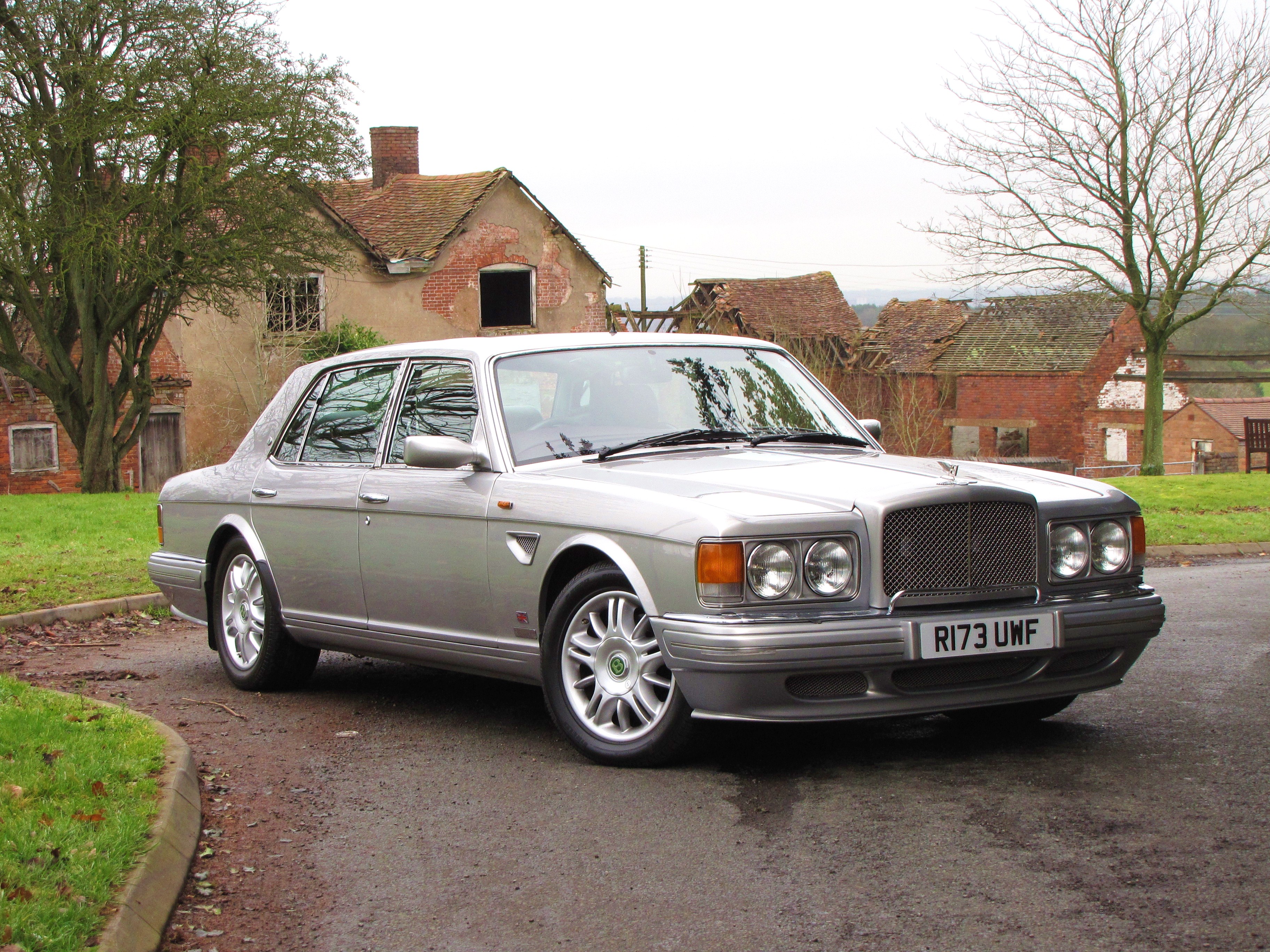
Bentley

Seabrook wants a Bentley

Take this marvellous example for instance. It’s a 1998 Bentley Brooklands R Mulliner. It uses Rolls-Royce’s famous 6.75-litre V8, with a low-pressure turbo helping it produce an utterly effortless 300 or so bhp. Sure, the blingy styling isn’t entirely comfortable – I prefer earlier incarnations of these Silver Spirit-based Bentleys – but there’s no denying it has presence, even in subdued silver.

Firstly, I must concede that the Rolls Royce Silver Spirit, on which his car is heavily based, is not my cup of tea at all. I find the grille too ostentatious and the handling far too wobbly, even for a 2CV owner. Bentley’s revival began with these cars though. At first, all you got was a different grille and, er, that was about it. Then someone had the bright idea of bolting a turbo on to create a Blower Bentley, just like the good old days. The Mulsanne Turbo still had wobbly suspension, but the much-tweaked Turbo R sorted all that out. By the time the one above was built, there was a baffling array of Bentleys, all with the same body but many variations of engine, up to the fearsome 400bhp Turbo RT.

You don’t need that much power though. Give the pedal a good length and the R Mulliner leaps towards the horizon with a most unseemly amount of haste. What boggles the mind is that it does so with seemingly no strain. It isn’t raucous, just insatiably brisk – 60mph coming up in a smidge over eight seconds. Mind you, your comprehension takes a further pummeling when it comes to corners. Despite being smooth enough to unruffle your passengers, the car handles with a degree of agility you just don’t expect of something weighing over 2400kg. Sure, the rather necessary power steering can’t provide race car feel, but the Bentley dashes into an apex with balletic grace, and body roll is notably minimal. The surge of power though is addictive. I found myself slowing down just so I could speed up again.

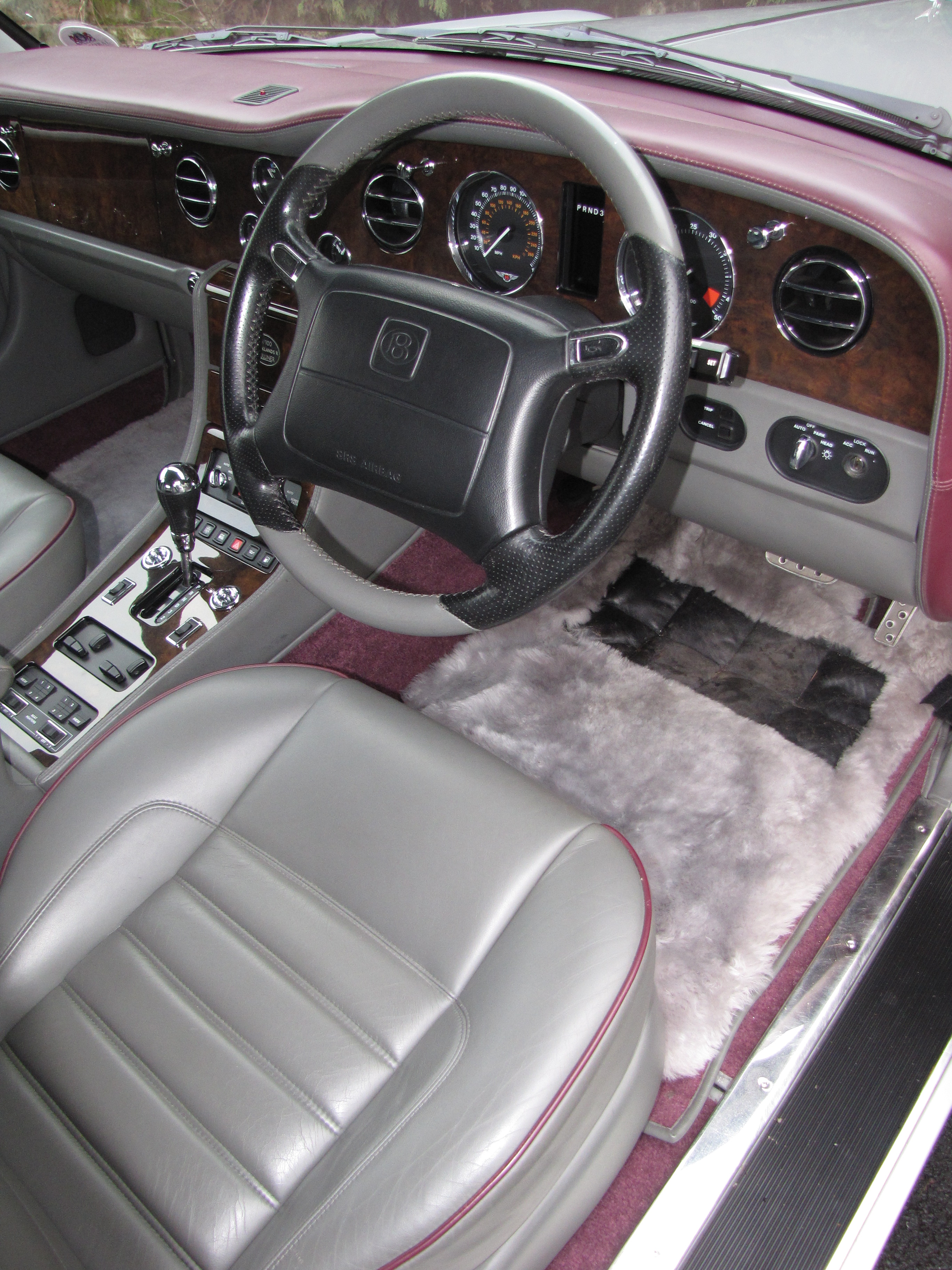
Inside a Bentley

Plush – unusual colour combo

All this happens amongst the finest in luxury. There aren’t just carpets, but immaculate over-rugs that make you want to remove your shoes before clambering aboard. There is immaculate woodwork and beautiful leather – albeit with curious coloured piping in this case. The Mulliner allowed a great deal of customisation. The switchgear is a bit odd though. Some feels beautifully constructed. Other bits feel surprisingly cheap. Overall, it just doesn’t feel as special as earlier models, with their column gear levers and feel-the-quality switches. I must admit that an airbag is all well and good, but this was an era before designers had really worked out how to make a steering wheel so equipped look even slightly pleasant. The wheel wouldn’t look out of place in a Mondeo.

Where you really feel the quality is in the doors. They’re very hefty, and the hinges suitably beefy. Yet they swing majestically and close with a noise that suggests heft and quality. Then there’s one of my favourite touches – the pantograph driver’s wiper. Whenever I climb behind the wheel of one of these cars, the wipers will soon be operated. I apologise for my geekiness.

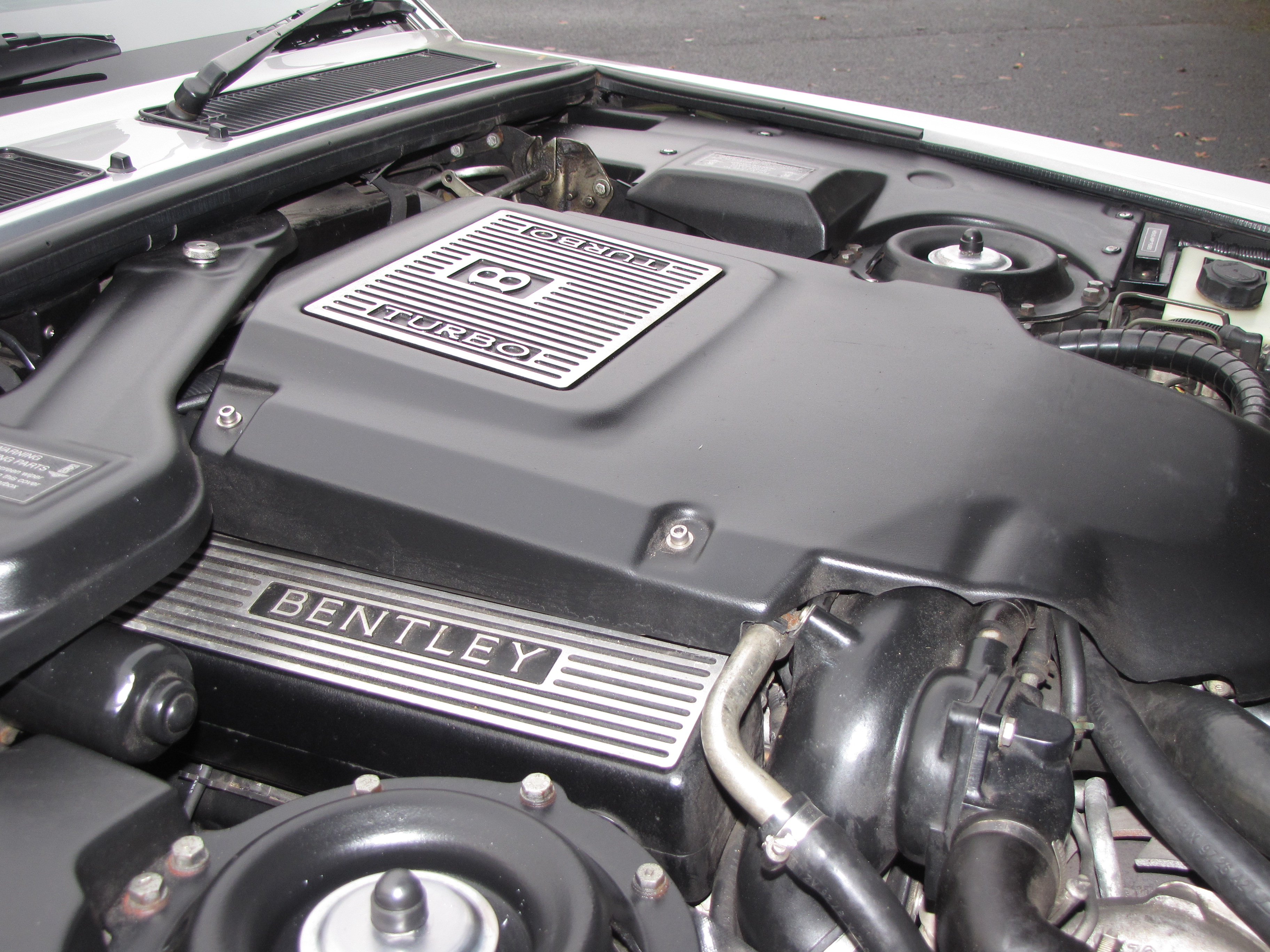
Bentley V8 6750cc

Famous V8, largely hidden

Under the bonnet – don’t bother. There’s very little to see. Even premium cars it seems are subjected to their engines being shrouded in plastic secrecy. “Oh yes, it’s one of the finest engines of all time. No, you can’t look at it. No, not even if it is your car.” I know very few Bentley owners would even know where the nicely engineered bonnet catch is, but I do feel enthusiasts deserve a better view!

What is perhaps most shocking is how cheap these big Bentleys are getting. If you’re feeling brave, you can pick up a turbocharged Bentley for as little as £5000. Yes, it will almost certainly cost a fortune to run and restore, but given how many people are happy to spend £20,000 or more on a Ford Focus, the Bentley seems like superb value! Sure, it’ll probably do 13mpg at best, but from behind the wheel, you’ll consider it money well spent, believe me.

I really do think I’m going to have to save my pennies and see just how badly wrong a cheap Bentley can be. This may take some time, that’s true, but the local(ish) petrol station will be thrilled!

Facts

1998 Bentley Brooklands R Mulliner

Engine: 6750cc V8, 300bhp@4000rpm, 446lb ft@2000rpm

How much? At time of writing, £22,000 for a Mulliner, £15,000 for a Brooklands Turbo, £10,000 for a Brooklands, £5000-8000 Mulsanne/Eight

My dream Leyland drive – a bus!

I’ve long been a fan of Leyland products. I know most of them were dreadful, but that just adds to the appeal for me. Yes, they may have been a bit hopeless, but I’ve always championed the underdog. After all, 2CVs may be cool now, but they were deeply unfashionable when I first got in to them. Joke cars were rear-engined Skodas, Ladas, Reliant Robins and 2CVs. I’m quite good at ignoring jokes and these cars were all desirable to the younger me.

They’re still desirable now. Back when I was young though, buses were the peak of my motoring exploits. For a time, we didn’t even have a car at all. Stressful times for the young petrolhead. So, it was buses or nothing, and I loved the thundering Daimler Fleetlines and whining MCW Metrobuses that transported me during my childhood. Leyland Nationals always appealed too, even though a chance to ride one was not a frequent occasion. I recall travelling on a National 1 at some point, that cut out every time it stopped, and I’ve a feeling I caught a National 2 with my aunt on the day my youngest sister was born. Nationals featured more strongly in my teenage years, as the same buses that took me home from school then took me home from Birmingham’s nightclubs in the wee hours of the morning. With the same drivers.

National 1s made a very high-pitched sort of a noise, and I loved the visible fan spinning around behind the engine cover. They had a very distinctive, top-end clatter and I really liked the styling – Giovanni Michelotti was responsible for it, bringing some car-based cohesiveness to the bus design. National 2s were redesigned with a longer nose, which now contained the radiator. Gone was the fan visible through the engine cover, and the new engine made a much deeper, throatier noise.

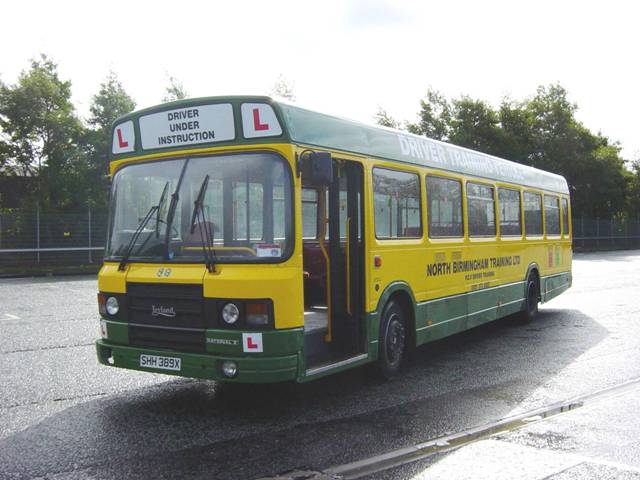
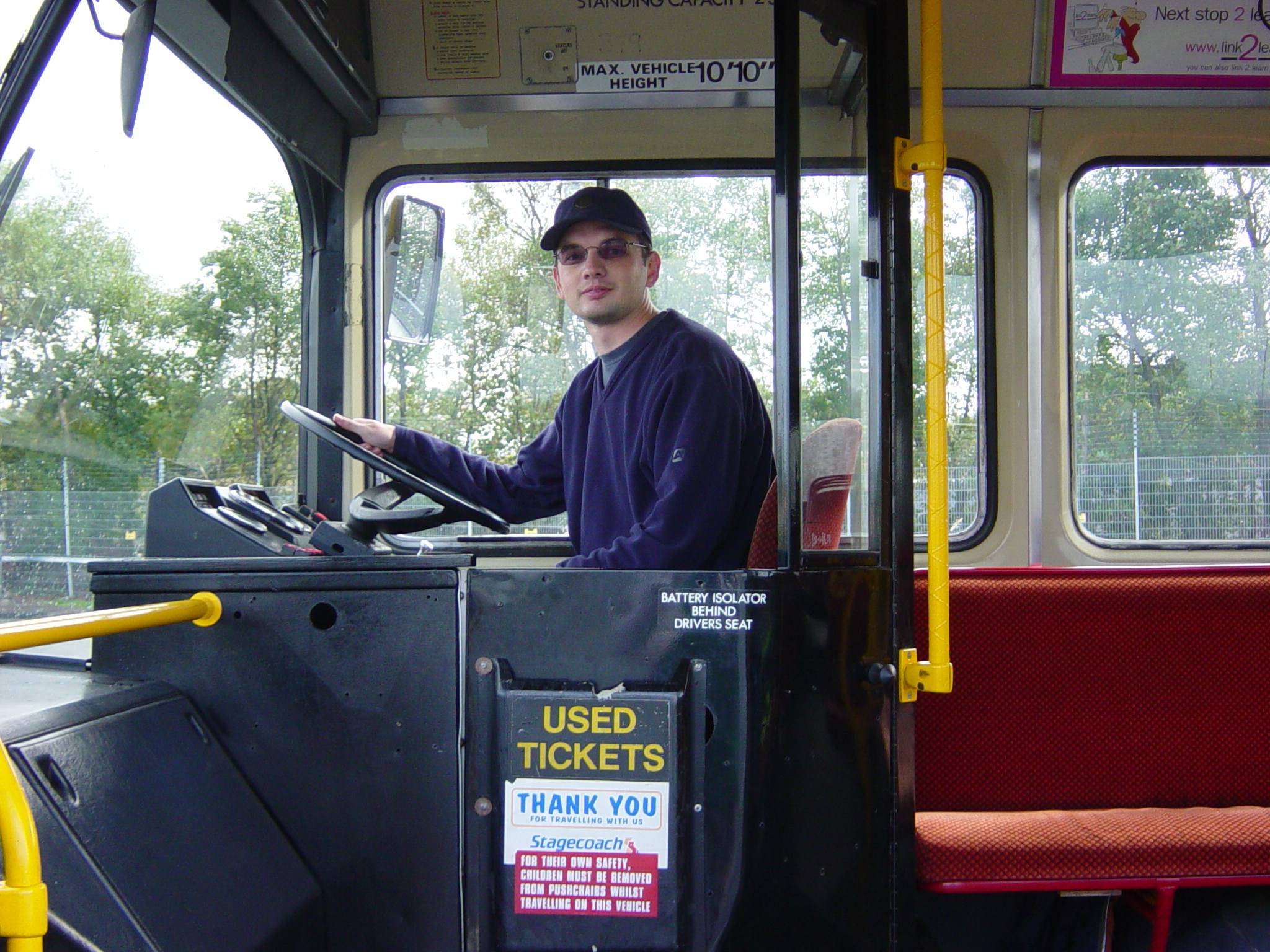
Some years ago, I got the chance to drive a National 2. At the time, it was used by North Birmingham Busways as a training vehicle. I was allowed to pilot it around the defunct Wolverhampton Truck Stop in exchange for some money.

Dream (bus) ticket. A Leyland National 2!

Dream (bus) ticket. A Leyland National 2!

It was brilliant. The switchgear was largely familiar, as a fair chunk of it was lifted straight out of British Leyland’s saloon range. The gear lever for the semi-automatic transmission is right-mounted, and easy to use. I love driving larger vehicles and the way you swing around in front of the front axle is truly joyous. I couldn’t get much speed up, but I thoroughly enjoyed myself, and I was put through the manoeuvres you can expect on a full bus driving test. As a child, I dreamt of being a bus driver, but perhaps I’m glad I didn’t become one. It doesn’t seem too joyous a job these days. I’ll still to my community minibuses instead!

How young?! I'm happy, despite appearances

How young?! I’m happy, despite appearances

North Birmingham Busways is now sadly gone – having being absorbed by the Rotala Plc. The Leyland National still exists though! Happily, it has made it into preservation and, remarkably, a friend on the Autoshite forum is a part-owner of it! The bus now lives in Scotland and is red, white and black – Western livery.

You’ll have to follow the links, but here’s SHH back when I drove it, with its stablemates. http://tbg.150m.com/nbb-19.8.06.jpg

And here’s SHH as she currently looks. http://upload.wikimedia.org/wikipedia/commons/3/3f/GVVT_Open_Day_2012_-_A_Western_Leyland_National_2_-_geograph.org.uk_-_3184441.jpg

If you ever get the opportunity, I thoroughly recommend driving a bus. It’s a valuable insight into the bus driver’s world, and great fun too!