Taxing times – DVLA systems go doolally

Welcome to the new dawn. The world of vehicle tax changed. Discs are history. This is a new, better world. Or, it would be if the DVLA’s new vehicle tax system hadn’t fallen flat on its face!

Yes, the new ‘this will make your life easier’ way of working has gone utterly wrong. People are frantically trying to tax their vehicles, and the system just isn’t coping. Both website and call centre have been overwhelmed. On any scale, this has not been a success.

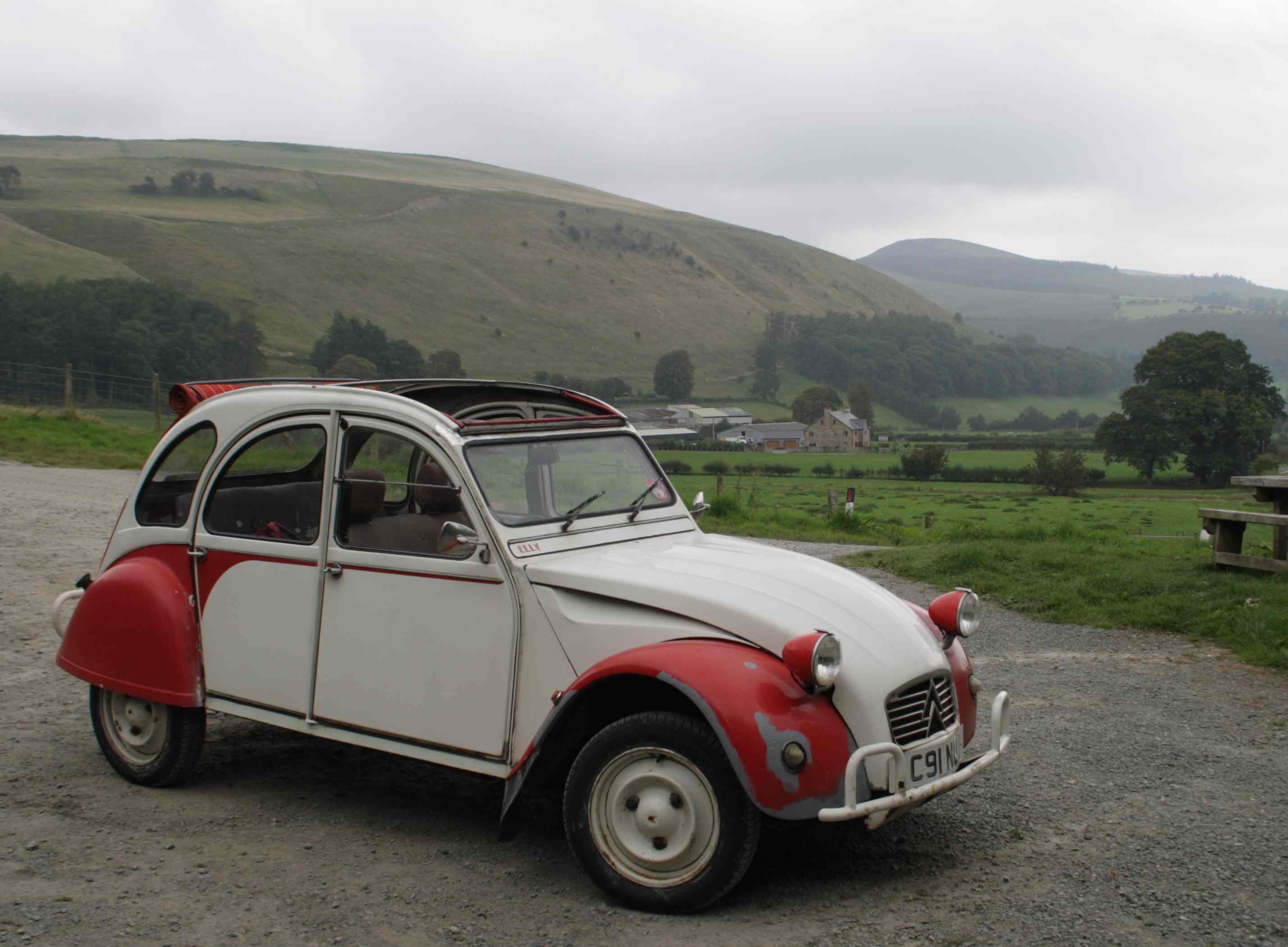
Happily for me, the payment of an outstanding invoice meant I was able to get my 2CV taxed yesterday afternoon. I’d love to check whether it has been updated on the database – you know, the one the Police now use to see whether you’ve paid your tax because you don’t have a disc anymore. That’s broken as well.

My 2CV with tax disc removed

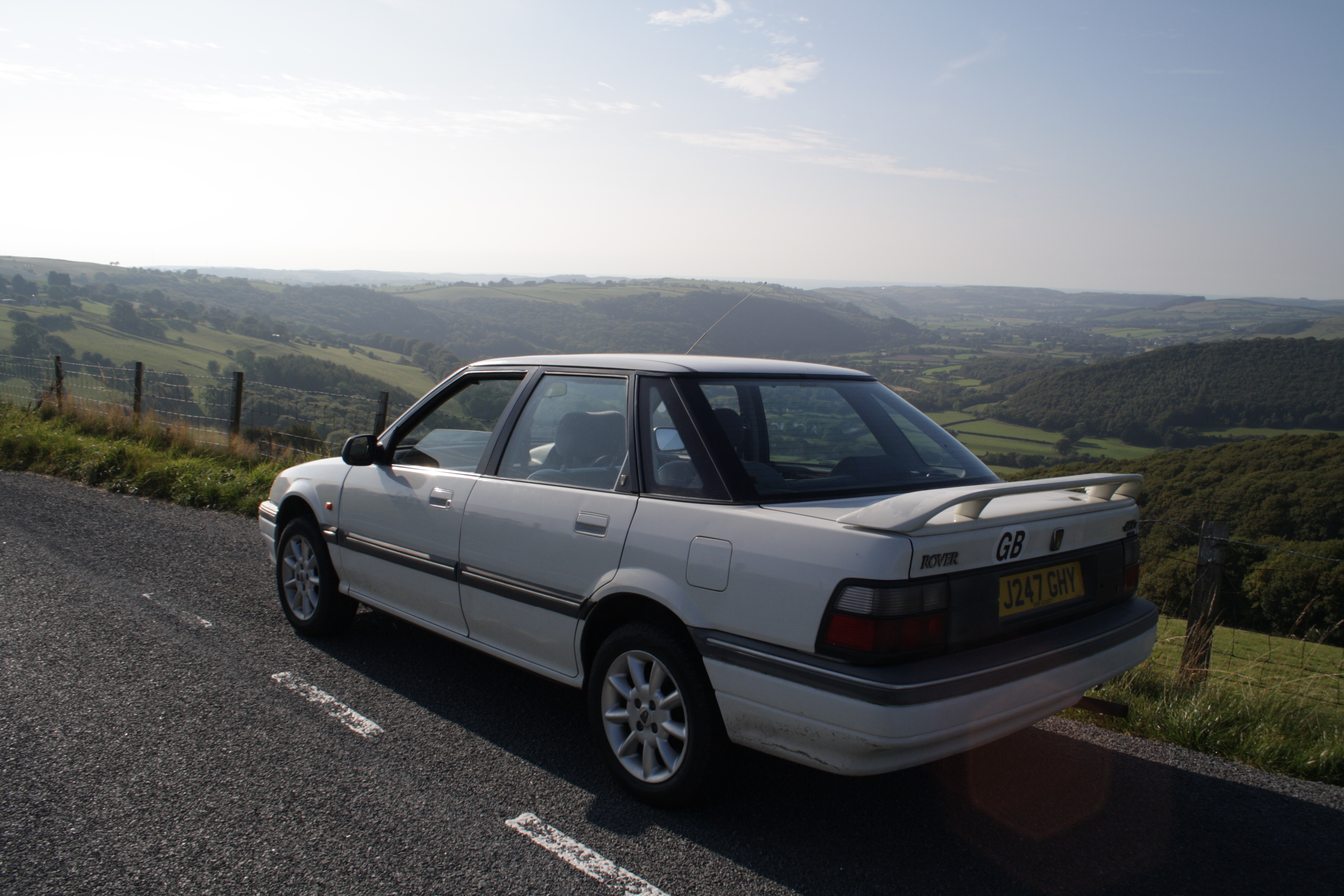
As the old disc expired yesterday, I have removed it. I have also removed the disc in my Rover, mainly because the disc holder was rubbish. People are already starting to wonder what to replace their tax disc with. An old replica disc? An old disc that for some unfathomable reason you haven’t thrown away? A digestive biscuit? (yes, I did see that suggestion on Twitter this morning). Personally, I’m not that fussed, so no disc at all is what I’ve gone for.

But it’ll be interesting to see how the new system works – once it actually does work. How quickly will the database update once tax has been paid? How easy will it be to tax a car on demand when buying a new one? Remember – this is something you must now do. Hopefully I’ll get to test that myself before too long. The Rover is up for sale and I’ve got my eye on a replacement. Why do I get the feeling though that this is all going to be a right pain in the arse?

The ‘buy buy’ bug

Inevitably, I’ve decided that the Rover needs to find a new home (offers invited around £350). This was hardly an unlikely scenario, especially as it wasn’t the car I set out to buy in the first place. There’s no desperate rush though, unless you fancy a month of free road tax – in which case you need to buy it before 1st October!

Yet again, the problem remains: What IS the right car? I spend more hours than is healthy pondering this very question. Comfort is high on the agenda, but being poor, low running costs are also a consideration. This is the biggest battle. Big barges tend to be expensive to run, but offer great comfort.

Take the Citroen XM for instance. I’ve now driven three of them this year, and it’s very much my sort of car. But diesels tend to go out of my price range, and petrols don’t offer superb economy. The four-pot petrols also feel a bit wheezy for such a big car. A V6 automatic is the ultimate – but I really can’t afford to run one. An XM really has to be automatic though. The manual just doesn’t feel right for a wafty barge. I do adore the Bertone styling though. Wonderful.

Has the time come to try XM ownership?

Has the time come to try XM ownership?

It’s a surprisingly big pressure trying to find the right car. I seem bloody hopeless at it when you consider my track record. There are lots of cars I like certain elements of – Citroen comfort, Land Rover Discovery off-road ability, Daihatsu Sirion fun-factor, Nissan Leaf peace and quiet. Trying to combine all I want in one vehicle just doesn’t seem to work – though the 2CV manages most of the above bar serenity.

The Rover 600 remains desirable, but would it be a bit too much like the ‘Ronda’ I already own? That said, it is far more attractive to my eyes – one of the most pleasing of all Honda-era Rovers. Buying a car because it looks good seems a bit silly to be honest, but then it’s not quite in the same league as an E-Type is it? I just happen to find them pleasing, especially in Nightfire Red.

Rover 620

Am I the only one who considers this beautiful?

Trying to do all this on a meagre budget just makes life even more challenging. I do want something nice though! Surely it must be possible to buy something nice for less than £500? I have purchased three vehicles this year. None of them were really what I wanted. The BX reminded me that I feel I’ve served my time with BXs. The Maestro van was hilariously awful. For a while. Then it was just awful. The Rover was convenient and isn’t a bad motor at all, it’s just not a car I actually want to own.

So, I need to focus. The Rover hasn’t sold yet, so I’ve plenty of time to decide what I actually want and see if I can actually buy it. Perhaps I’ll even end up with only the 2CV for a while. We’ll see…

Electric dreams – the sums don’t work

This morning, for what passes as fun around here, my wife and I did some sums. Would it be worth our while buying an electric car? After all, when we borrowed one from Nissan last year, we found an overnight charge of around £3 gave us around 70 miles of range even with my hefty throttle foot. If my 2CV could cover 70 miles on £3 of unleaded, she’d be managing a remarkable 140mpg. She generally averages 45mpg, costing me £529 a year if I cover 4000 miles. If I ran an electric car and charged it at home, the cost would be around £150. Yay! Remarkable savings!

Not a classic, yet...

Sadly for us, the electric car does not save us enough

There are other savings with electric too. No oil changes, no vehicle tax, no congestion charge if you’re foolish enough to drive in London and as it’d be a fairly new car, no MOT test for a while. Job’s a good’un then. When can I order one?

At this point, my wife gently closed the lid on my laptop, interrupting my Ebay search. I’d got as far as discovering that to buy a 2013 Nissan Leaf – which benefits from better range, heating and regenerative braking than earlier models – I’d be looking to pay £13,000 or so. If I were in control of our life savings, I might now own a Leaf. Fortunately, my wife is of sound financial mind and I do not own a Leaf.

The problem here is depreciation. That’s not a factor with my 2CV – though our total comparison sums did in fact include a ten-year body restoration fund. It seems 2CV bodywork is almost a service item. But just having the Leaf on the driveway would see it depreciate. By how much is anyone’s guess. They seem to lose alarming amounts of value in the first year (like most cars) but what is the future for them going to be?

Our sums did reveal that a Leaf would pay for itself in fuel savings. After 14 years. The battery life is considered to be ten years, though non-one really knows yet as the cars are only a few years old. Battery fear is likely to cause older Leafs to lose value quite rapidly I suspect – a battery pack is £3500 or so. Once values drop to that sort of level, will the cars effectively become write-offs? Bear in mind that the earliest – 2011 models – are already down to £8500. Perhaps that’s when I’ll get one. After all, I do like my dalliances with deeply unfashionable motor cars. I can see that an electric car with an elderly battery will meet that standard all too well.

For now though, I’m a victim of our lifestyle. We’d never consider owning a modern car of ANY type because the ownership costs are horrific – masked as they are by temptingly affordable finance deals. Fuel savings kind of go out of the window when the car is losing thousands of pounds a year just because it is ageing.  Add a few thousand on top for the cost of the finance and 65mpg becomes entirely meaningless.

But, I accept that many people do buy modern cars. If I did, I think I’d be giving the Leaf a very hard look indeed. As combustion engines become ever more bogged down in emissions kit and complication, the electric car seems ever more appealing. Maybe one day…

2CV racks up the miles

Right. Enough about electric cars for the moment. I should probably talk a bit about the cars I actually own. Fleet update!

The 2CV has been very busy of late. In the past five weeks, Elly has clocked up 1100 miles. That’s 220 per week. It may not sound that high – lots of cars do an awful lot more – but bear in mind that I work from home and own another car too. Quite a lot of that five weeks has been spent sitting around doing nothing. Those 1100 miles include trips to Anglesey, Wiltshire, Stratford-upon-Avon and Cosford near Wolverhampton. Roads have varied from tiny mountain lanes to urban speed-humped nightmares and motorways. Some of those miles were clocked up on a race track. In short, she has been pretty busy.

Elly has a short pause during a high-mileage spell

Elly has a short pause during a high-mileage spell

To put that into perspective, she covered only 1100 miles between April and mid-August in total. The previous year, she clocked up only 4234 miles and the year before that, a mere 3123. Stark contrast to 2006-2007 when I somehow clocked up 15,614 miles! I was commuting 45-50 miles a day at the time, but I still owned many different vehicles. That mileage did include also our wedding and honeymoon in Devon/Cornwall but even so, it’s a bit extraordinary.

Anyway, I’m drifting again. The point I’m making is that Elly has been very busy of late. Not that she’s showing much sign of distress at all of this mileage. She’s running very nicely indeed. With my ear filters fitted, the cacophony that is a 2CV at speed isn’t an issue either. If anything, those filters seem very good at blocking out wind noise, but I can still hear the engine. I don’t like not being able to hear what’s going on.

I even seem to be choosing the 2CV over the Rover at the moment. It seems I’m utterly failing to bond with the Brummie-built Honda. It hasn’t helped that in the past couple of weeks, I’ve driven lots of different hydropneumatic Citroens. They have each reminded me just how much I like comfortable suspension! The Ronda is just not comfortable – albeit it’s an awful lot better than the Daihatsu Sirion and Maestro van. That’s not saying much.

I just find it so hard to love the Rover. Yes, the steering is quite nice, but the incessant buzz from the back end somewhere is not. I think it’s the torsion bars that hold the bootlid open. The ride isn’t smooth enough. The engine is just horrible. The clutch is hopeless. It is not proving to be a joyous ownership experience. For this reason, I should imagine it will be for sale pretty shortly. The only reason I haven’t put it on the market already is that I’ve just taxed it, had some lovely Uniroyal tyres fitted to it and there’s the small detail of the DVLA not yet processing the logbook.

The fact that I’m choosing a 2CV over it doesn’t make the Rover look good though does it? Mind you, no other car in the world ever seems to have made quite such an impression on me. Perhaps it isn’t the Rover’s fault.

Oh well. It at least gives me plenty of time to consider what I might like next. A Xantia maybe? Or perhaps even a C5 Mk1? Or can I find comfort in a car that doesn’t require the magic of hydropneumatic?

Tesla Model S – Electric cars are getting properly proper

Modern cars don’t often interest me. Modern cars costing £50,000 interest me even less. Given my usual purchasing budget is less than £500, there’s not much point even thinking about cars that cost one hundred times that.

Yet a car costing £50,000 – or £63,480 for the one I’ve just configured on the company’s website – has got me properly hooked! Yes, it’s the Tesla S.

The Tesla Model S. An unwacky electric car

People bleat on about the fearsome performance. That doesn’t interest me. The base model’s 0-60mph time of 5.9 seconds and top speed of 120mph are already too much. Performance isn’t what makes a car great. I must admit that I find the asking price rather hilarious too, especially given that the options list is enormous. You’d expect a £49,000 car to include things like an alarm, heated door mirrors, keyless entry and other toys entirely standard on a Nissan Leaf costing a fraction of the cost.

I digress. What interests me is how it looks. It’s almost bland. I actually find it quite beautiful. It’s unadorned. It isn’t shouting “look at me, I’m an electric car!” It’s even ignoring the current tiring trend of looking aggressive and razor-edged – a style that’s slowly ruining a great many fossil-fuelled machines. It looks honed. Purposeful. Not outlandish. I like it a lot. Even the Nissan Leaf is guilty of trying to look a bit too much like an ‘exciting future car.’ The Tesla Model S just looks like a sculptor started with a block of granite, and just finessed away until this lovely, aerodynamic shape was left.

It’s pretty dull inside too, to the level that you really need to order the tan leather, just to ensure you don’t fall asleep climbing aboard. There seems to be a wopping great i-pad in the middle of the dashboard though, so at least a tech-numpty like myself could keep myself amused trying to work out how that works for several hours without having to drive anywhere at all.

Like the Leaf though, the Tesla seems to be very well thought out as a car. That’s what excites me. Far more so than the increasing number of ‘electric versions of normal cars.’ Even when they’re factory jobs, they still seem a bit ‘converted.’ Here is a manufacturer saying ‘no, this vehicle was always an electric car. We deemed it acceptable to not even bother considering an internal combustion engine.’ Tesla even attempts to defeat the old issue of Range Anxiety. The standard model, the one I’m ‘going to buy,’ has a range of 240 miles. Crap compared to a big-tanked modern perhaps, but better than my Citroen 2CV. Or the fearsomely thirsty Rover P6B V8 I used to own. The posher Teslas can apparently do over 300 miles on a charge. The company has even been demonstrating a two-minute battery change system. Yes, CHANGING the battery, instead of charging it. I’ve been bleating on about this idea for some time. It seems the only sensible solution to me. I would share the video of this happening, but it’s scarily American with far more excitement and hollering than is truly acceptable.

These are very exciting times. The future is happening, but with hybrids all the rage, there’s still no firm idea of where things will go. I warn you now. I may bleat on even more about electric vehicles tomorrow. Normal service will be resumed shortly.

My first paid classic gig

My writing career started, with a splutter and perhaps a bit too much choke, in September 2006. Happy anniversary me! I’d had a couple of features published prior to that, but September remains a key moment. It was the first time a publisher sent me off to drive some cars and write about them.

Quite how I managed to stop myself running around in circles long enough to convince the dealer to give me the keys is an interesting question. I’ve no idea how I managed it. Here is the very first car I was paid to drive.

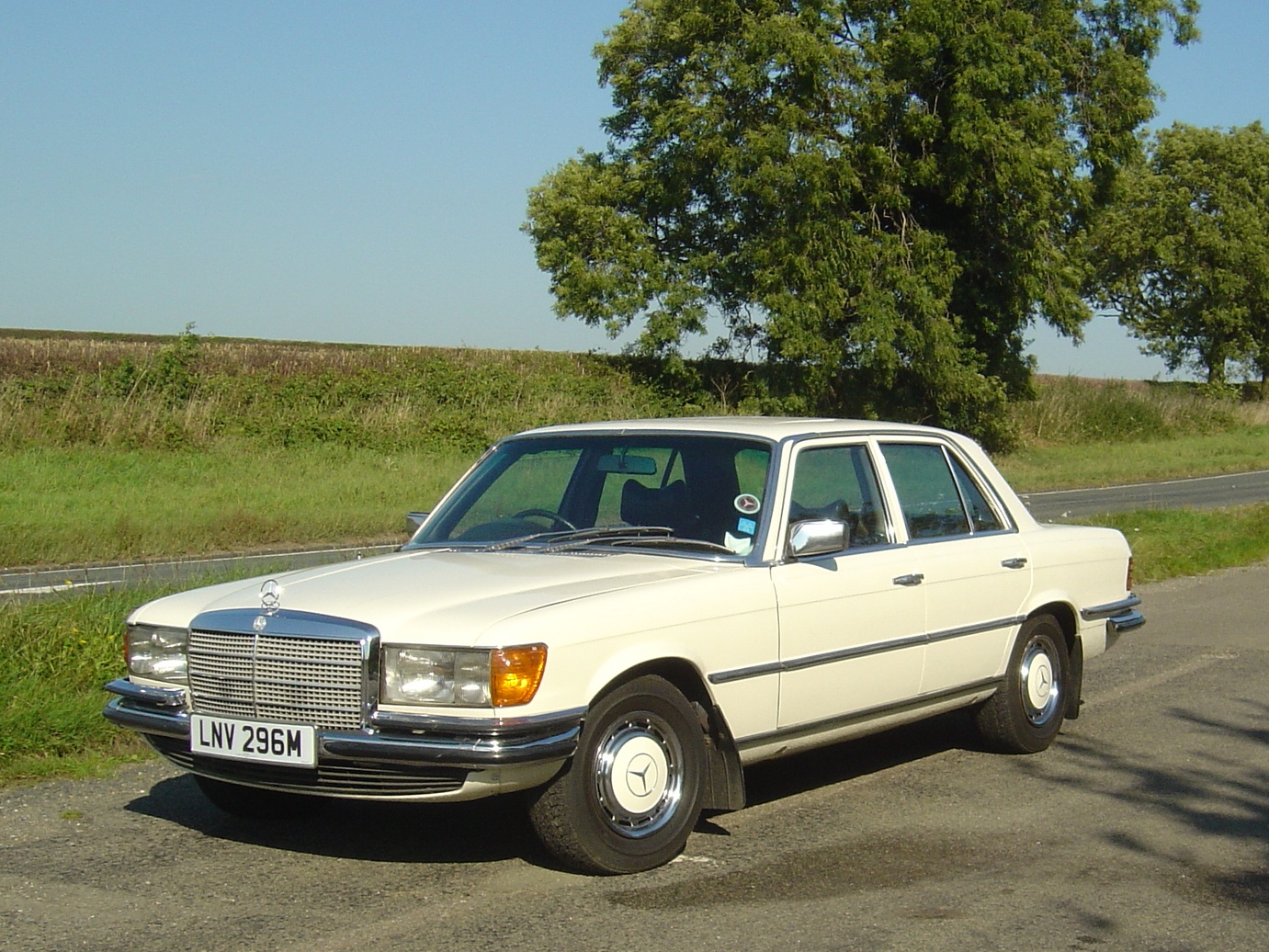
Mercedes W116

My first paid gig. Not a bad start!

You can see why I was quite giddy. A very early Mercedes-Benz W116 350SE in beige! Frankly, it’s a miracle that the picture is in focus – some of the shots I took that day were bloody awful. I had a lot to learn! However, I got the main shot. I do love big Mercs. They waft around in the most wonderful manner. Yet this one also took to sounding meaty and V8-ish when the long-travel throttle pedal was shoved right down. This car arrived just four years after the Rover 3500 P6 but feels even more astonishing to drive. They are broadly similar in their beautifully engineered, V8-powered ways, but the Merc moved the game on by some margin. It even had overhead camshafts. I certainly had my happy hat on. What a start!

I drove three cars that day though, and even my first outing saw me encounter the ubiquitous, front-cover-friendly form of a bright red MGB.

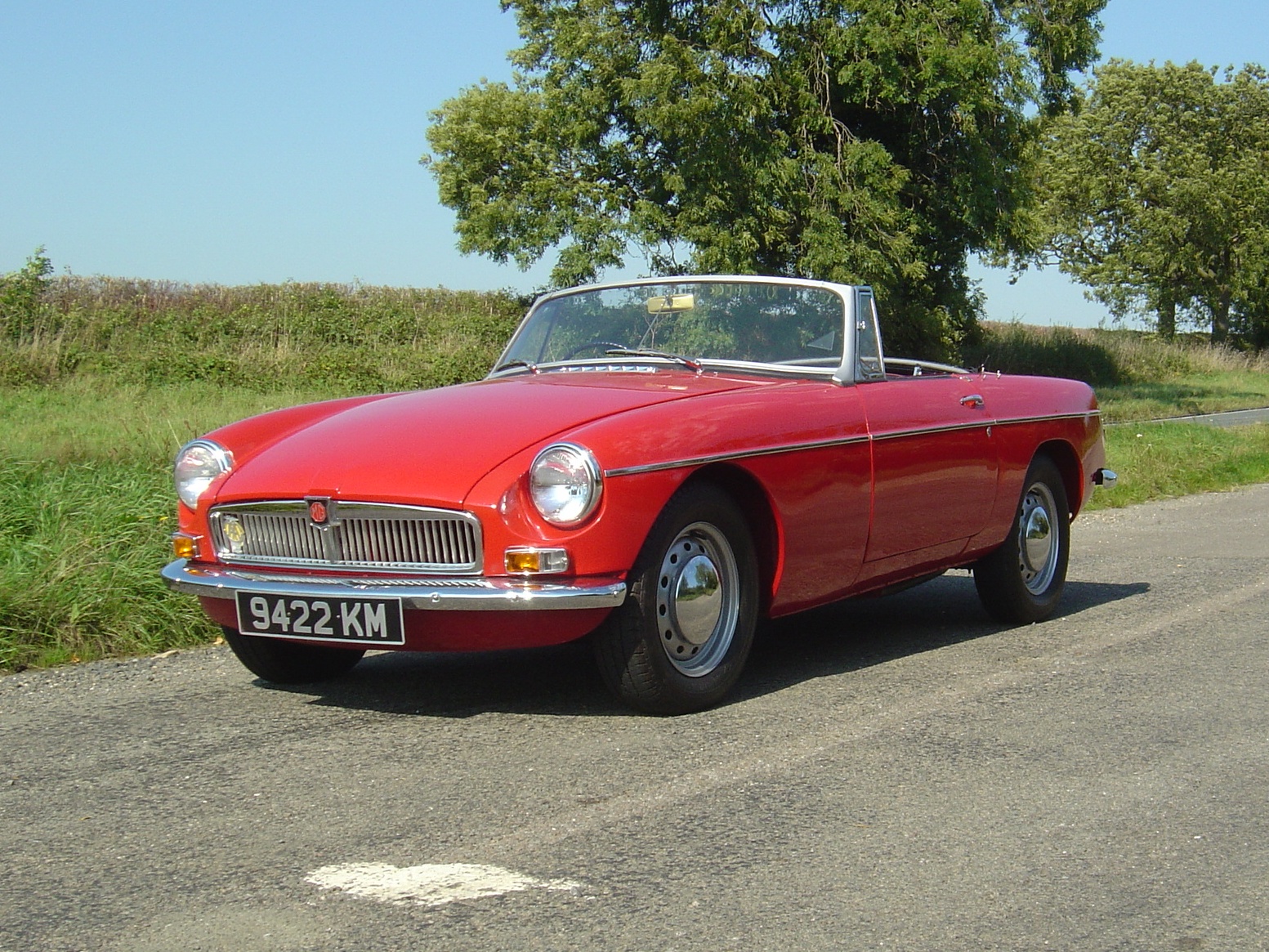
Yes, a red MGB. Big wows. Oh, hold on. It's an early one!

Yes, a red MGB. Big wows. Oh, hold on. It’s an early one!

Not just any MGB. This is a really early one, with the pull-action door handles and wonderful steel wheels with hub caps. Properly smart. It dates somewhere between 1962 and 1965 but like the Merc, no longer appears on the DVLAs systems. Which is a shame. I hope it hasn’t suffered the indignity of having bloody wires or minilites fitted to it, wherever it is now. Being early meant it also had a HUGE steering wheel and a three-synchro gearbox. It made a thoroughly charming noise as I drove along – burbling exhaust magic allied to a delicious transmission whine. Also, the lines were unspoilt by a good – with these early ones, you sort of had to build the hood yourself if it rained. Or get wet.

I was saving the best until last though.

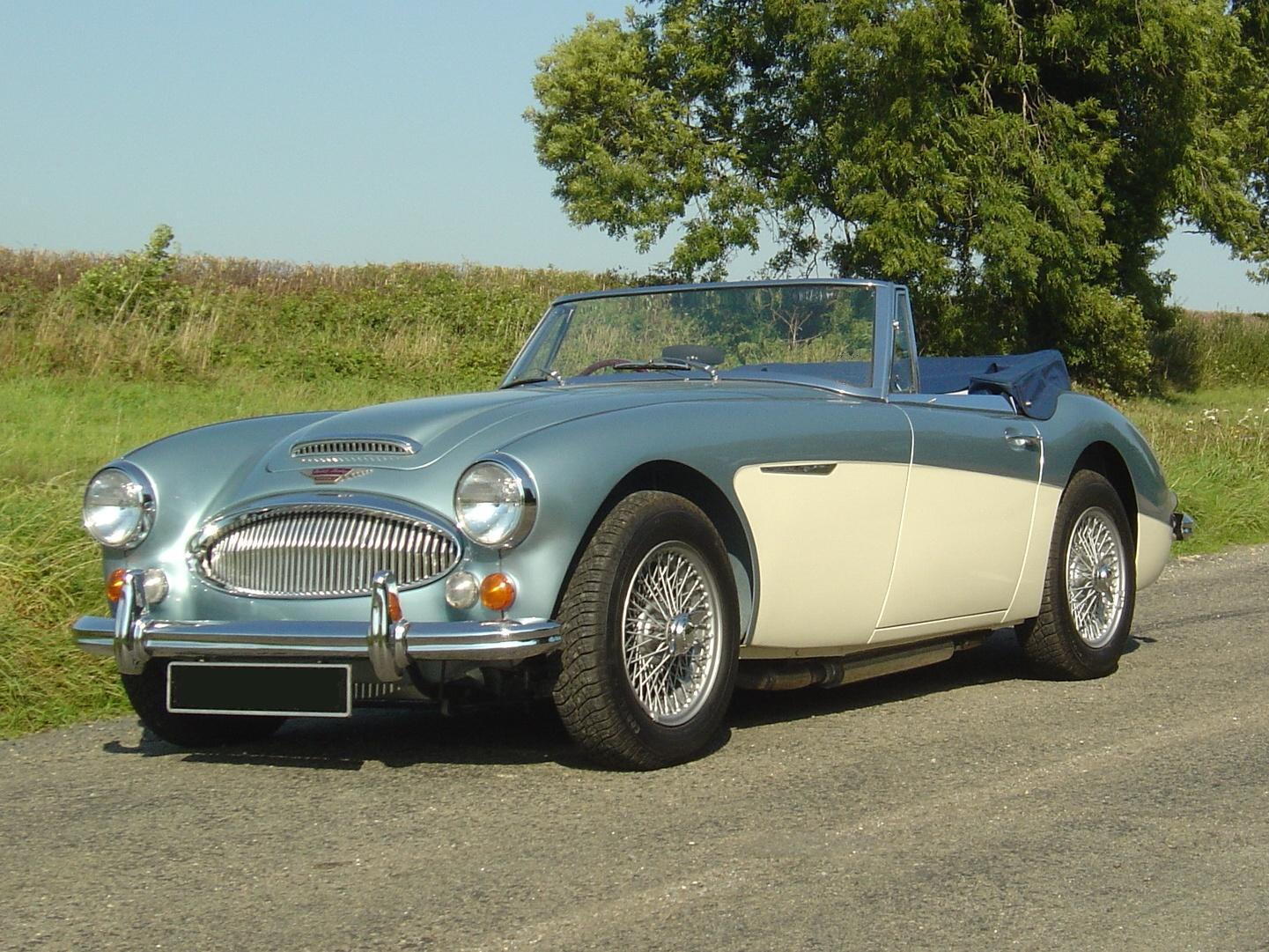
Big Healey

Oh mama! Truly, I had arrived. Gibber, swoon etc

Oh yes. A Big Healey! The car of my dad’s dreams, and one I was particularly fond of myself. Getting the opportunity to drive one – it remains the only Big Healey I’ve ever driven – was just stupendous. The MG made some nice noises, but the Austin-Healey made that soundtrack sound like someone’s personal stereo. The 3000 bellowed in a way that just made me want to accelerate over and over again. So I did. I even overtook someone, blinding them with the sea of decibels from the exhaust. Carried away with that thundering growl and the fierce slurping of the triple carburettors, I felt like king of the world. At which point, my hat blew off. It was on a string, so it then attempted to strangle me. Then the car ran out of fuel. Humble pie was served and I felt I needed a large slice…

What was most astonishing was the fact that Pat Moss-Carlsson, not a large lady by any means, used to rally one! In fact, she did so very successfully, even winning the monstrous Liège-Sofia-Liège rally in 1960. Her co-driver couldn’t place her feet on the floor due to exhaust heat but the main reason for my respect is that a Big Healey is a very heavy car to drive. Just changing gear required vast tracts of my strength. Trying to imagine driving this car at high speed, on public roads, for 3000 miles with only one 1-hour scheduled break was just too much. An incredible lady – and one who I was fortunate enough to meet before her death. She liked my 2CV. Wow.

But anyway, as you can imagine, having driven this trio, I thought I was sorted for life. I quit my boring IT-related day job and sat back ready to become a famed motoring writer. I think I got another two pieces published in the following six months and my new wife found her new husband a bit of a liability. Fortunately, I then secured an actual job writing for Classic Car Weekly. Those six months were pretty difficult, but fortune favours the brave it seems.

But, it certainly isn’t all driving flash cars on sunny days. Far from it. Most of my work is carried out, like right now: With a computer in front of me, a cursor awaiting my instruction and a pile of reference books nearby. I really do enjoy days where I get to drive cars though. And I’m not sure I’ve ever had a day as packed with quality as the above. It doesn’t matter. I’m just as happy driving a Hillman Minx, Bedford CF, Austin Somserset, Nissan Bluebird or BMW Isetta. I outright refuse to become someone who insists only on driving things with lots of power. All cars are enjoyable – even Wartburgs, Nissan LEAFs and Skodas. I may have been shamed by my Big Healey Humble Pie moment at the time, but it probably did me good. I was always an enthusiast of all older and interesting vehicles, and it has remained so. For the better I think. I hope.

2CV fettling moves up a gear

With my 2CV Mojo fully reignited, there has been a flurry of recent work. At the 2CVGB National, I was forced to undertake some exhaust repairs and an examination of the tyres when I got home revealed further issues. Three tyres were borderline illegal and the remaining one was close. That’s pretty serious wear given that one pair of tyres was fitted new two or three years ago, while the other set was probably getting on for 40,000 miles and something like six years. Badly worn inner edges up front suggest a tracking issue, but it must also be pointed out that I do drive my poor 2CV rather briskly. I think the oldest pair of tyres probably saw action at the Haynes Motor Museum test track too.

So, first step – new tyres. I considered Michelins, but cashflow concerns soon put paid to that idea. In my experience, Michelins don’t seem to last all that long compared to cheaper tyres. Toyo offer a thoroughly decent budget option, with ECAS 2CV Parts selling a set of four for just £136.84 plus delivery. They’re rated at only E for wet weather grip, and I must admit that as the tread wore, understeer did begin to creep in when the road surface was damp. They’ll have to do for now though. They’re superb in the dry and a lot cheaper than the £89-each Michelins (125 or 135 – I prefer the latter).

Moduron Hafod Garage fitted the tyres

Moduron Hafod Garage fitted the tyres

While the chaps at my local garage fitted the tyres, I was able to actually put some air in the spare, which was comprehensively flat. It’s very difficult to balance 2CV wheels, as there is no centre hole, but in my experience, balancing is not needed with a 2CV. The tracking remains on the To Do list. Seized adjusters mean that job will not be fun, and angle-grinder action may be needed!

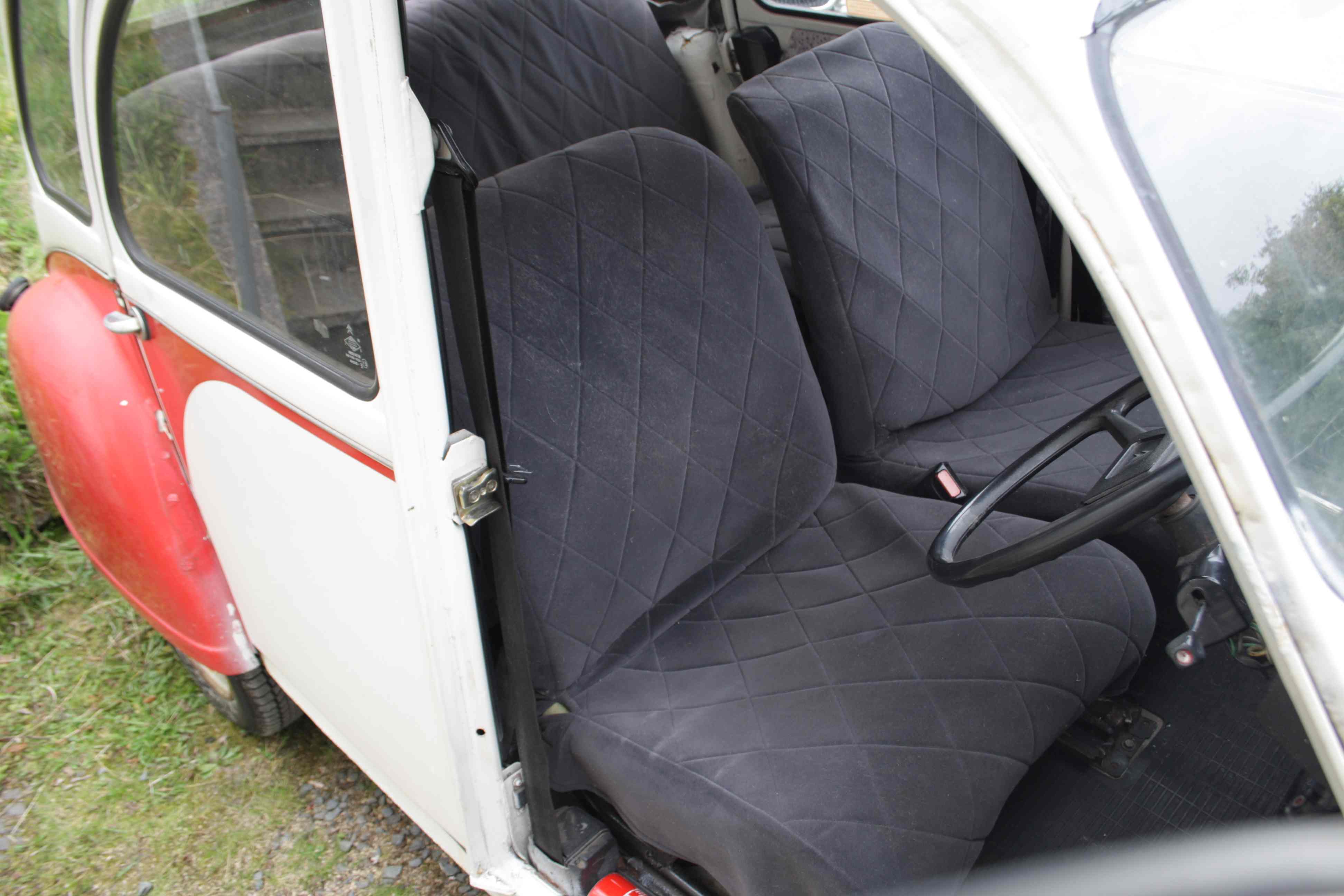
With new tyres fitted, we then drove to Wiltshire and back for a family gathering and a light spot of work research on the way. The only real issue on the trip was that my dear lady wife complained about the sagging front bench seat. I remedied that this week by swapping in a pair of original-type front seats that have been living in the loft for some years.

Bench gone, back to single front seats

Bench gone, back to single front seats

It’s amazing what a difference they make! I now sit a good few inches higher up, with a much better posture. The only downsides are that the near-useless sun visor gets in the way, as does the interior mirror. I did try removing rubber rings – the suspension medium for the seats – but it hasn’t helped much. I’ll see how I get on with them. A popular option is to fit Citroen BX front seats, but these are no longer so plentiful, and they do almost entirely remove rear leg space – though I don’t very often have passengers.

With new seats in place, I had a quick-ish 64-mile drive to my ‘local’ 2CV specialist – Sparrow Automotive. Pete was good enough to give me a few instructions but leave me to crack on with the work myself. This pleased me very much – I’m a journalist who actually does like to get his hands dirty, even if he’s not hugely competent with spanners!

Pete Sparrow instructs Ian on track rod end removal

Pete Sparrow instructs Ian on track rod end removal

Pete also let me use his tools, which is good. One of the reasons I’d made the journey was that I didn’t own the special tool I needed to remove the track rod end. Nor do I own a two-post lift, which really does make life easier! It was a marvellous day. I had the editor of the Citroen Car Club magazine taking photos for me, the current 2CV Racing Club UK champion instructing me and the creator of the 4×4 2CV chassis just happened to be visiting. Louis Barbour, the man behind the 4×4 2CV, is someone I’ve known of for many, many years, but this was the first time we really, properly met. Given he now lives in Croatia, which was quite a chance and we all had a good natter over lunch and I somehow now have an idea lodged in my head for fitting my 2CV with a Quaife limited slip differential. Hmmm.

I must say, I had a thoroughly marvellous time. It was great to have nice folk with tons of knowledge to hand, as well as access to fabulous tools and lift equipment. Rather different to scrabbling around on my driveway and having to dash indoors to use the internet to find a solution to whatever problem I’ve found!

Pulling the track rod ends apart was very easy really. There’s a short arm on each hub on top of which is a ball – this is the track rod arm. This sits in a housing on the end of the track rod – which attaches to the steering rack at its other end. Naturally, the ball wears with time. I know one track rod end was replaced on this car at some point, but I’ve a feeling it was at least 60,000 miles ago. Pete judged the ball and the cups it sits within to be within tolerance, so everything was cleaned well, greased up and reassembled. When retightening the threaded nut, the rule of thumb is to nip it right up, then back off half a turn – or thereabouts as you need to line up holes for a split pin. I also fitted 2CVGB SPOG castle nuts that have a grease nipple fitted (also available from ECAS). Hopefully this will extend the life of the £65+ track rod arms. New gaiters were also fitted, along with new split pins. A warning here – if the track rod ball has worn too much, you can’t simply adjust it. Doing so, when the ball has become oval, can create forces sufficient to snap the ball off the arm completely, with disastrous results. It must be possible to operate the steering with no tight spots during its travel.

I did mention the tracking, but it was decided to order up new track rod adjusters before commencing on that work. It’s likely that the old ones – which haven’t been touched for many years – are entirely seized and will need to be cut off. This work will take place once new adjusters have arrived.

While this work was going on, a split driveshaft gaiter was found, and all the securing clips were replaced due to corrosion. On the drive home, the slight rattle I’d noticed in the steering had gone. Brilliant. It would have been easy to write off such a slight wobble as a wheel balance issue, but 2CVs aren’t like normal cars. In fact, working on the car really did highlight how truly great the engineering is. It’s engineering you can really feel.

I’ve clocked up almost 400 miles in the 2CV in just four days now. Aside from needing earplugs due to the sheer noise, the 2CV has reminded me that it’ll quite happily cover that sort of mileage. The only problem is with my hands. Gripping that skinny steering wheel, on over 400 miles of largely-twisting roads, has left the joints in my fingers quite sore! I may need to consider upgrading to the single-spoke steering wheel fitted to 2CV Clubs and Charlestons. It has a thicker rim, as well as looking wonderfully Citroen-ish!
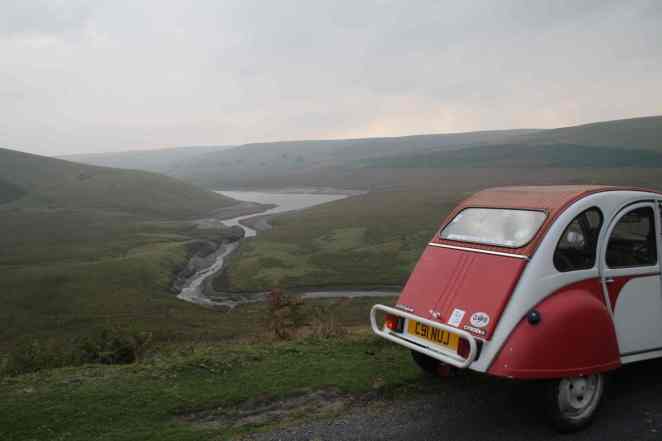
mid-Wales Elan Valley

An Elan Valley view on the drive home. Water levels are low!

Naturally, the perilous state of my 2CV’s bodywork was discussed during my specialist visit. At the moment, I’ve decided I can make no plans about this car’s future, other than sticking to my plan to get her to 200,000 miles before the MOT runs out in April. With the mileage now at almost 198,000, that shouldn’t be too tricky.

Rover 416: Problems

I seem to have a bit of a problem with my Rover 416SLi. It’s not winning me over!

I have a reputation for quickly getting bored with cars – there has been quite a turnover this year, even though I promised myself (yet again) that I’d be more restrained. On the face of it, the Rover seemed the ideal car for settling down with. It’s brisk, not too horrendous on fuel (albeit pretty poor for a 1.6), is in good condition and eats up miles readily.

Lovely scenery and a car that's hard to love

Lovely scenery and a car that’s hard to love

But already, it’s a car I don’t really want to drive. Yes, the steering is delightful. Yes, the new Uniroyal tyres are stupendously grippy. Yes, it starts first turn of the key, every time. But the ride is jiggly. There are some annoying trim rattles. The brakes judder terribly. The gearchange is unpleasantly notchy. The clutch hurts my foot. All is not well. I don’t really understand why the clutch is hurting my foot. It is nicely light. Mind you, I had issues with a later ‘bubble’ Rover 400 we owned a few years ago too. It was absolutely horrific to drive in traffic. Perhaps the long pedal travel is the problem.

Don’t get me wrong – it’s not a bad car to drive by any means. I’m just finding that while it’s an easy car to like, it’s a hard car to love. So, why isn’t it already advertised for sale? Well, two reasons. Firstly, the DVLA have not yet issued me with a new V5C, so selling it is problematic. Secondly, having just had it shod with a set of Uniroyal Rain Sport 3 tyres, I really feel the need to give them more of a test. I’m very interested to see what the wear rate it.

There is also the problem of having just taxed the car, though if I sold it after 1st October, that would automatically be refunded anyway. Perhaps I should offer it up for sale as an increasingly rare opportunity to buy a car with vehicle tax! In just a few weeks, it will no longer be possible. In the meantime, I’ll chase up the DVLA. Where’s my logbook?

Rediscovering that 2CV magic

There was no Goodwood Revival for me this year, other than watching an endless stream of updates via the world of social media. Instead, I attended a family gathering in Wiltshire. I was all set to take the Rover until I decided that’d be boring. Actually, boring might not be the right word. There’s a horrible whining noise from the power steering pump. The brakes are also horribly juddery. Anyway, having enjoyed our trip up to Anglesey – a 210-mile round trip – I fancied another jaunt in the 2CV.

The drive there wasn’t too joyous, but that was mainly due to too much dual-carriageway and motorway, and an accident on the M4 near the Severn Crossing. Everything came to a halt, which was all the more annoying as we were on the side that the accident wasn’t. We were queueing because of rubber neckers looking at an accident that had been cleared up by the time we got there. Eventually, we reached the delightfully pretty town of Bradford-upon-Avon as convenient timing allowed me to research a feature and tick off a car from my dream list. Bizzarely, I visited the home of Hydrolastic and Hydragas suspension to meet a Citroen.

Citroen C6 and 2CV

Citroens compared. Very different Citroens

Sadly, the suspension side of things was wound down long ago, with Dr Alex Moulton himself sadly passing away in 2012. However, his other ingenious idea was bicycles with small wheels and suspension – applying similar logic to that which he displayed when designing the Mini’s suspension and radically small wheels. The bicycles have endured, and are still hand-built at the factory in Bradford-upon-Avon. It was a true pleasure to visit such a historic and beautiful site.

You may find it odd that I’d be investigating Citroens at the home of hydragas, but Moulton himself was always a big fan of Citroens. The technical director of The Moulton Bicycle Company confirmed that Moulton had owned several GSs and had even discussed building a hydragas Visa! This shouldn’t be a surprise really. After all, Hydragas is very similar in many ways to the hydropneumatic suspension of a Citroen – it is even inter-linked front-to-rear like the coil springs of a 2CV. I was definitely in the correct car! A full report on the C6 will be compiled before too long. You’ll have to wait for that.

With that done, we spent a couple of days with family before heading home. By the time we arrived back in mid-Wales, the 2CV had clocked up another 260 miles and to maximise enjoyment, the return journey was conducted on smaller roads. Our pretty route took us via Castle Combe (not just a racetrack), Chipping Sodbury, Gloucester, Hereford and Rhayader. It was a useful reminder that wimping out and taking a more modern car really isn’t actually saving much hardship! Noise aside (resolved with ear filters that reduce the sound levels), the 2CV will quite happily take us wherever we want to go and will do some comfortably and without issue.

A beautiful pause on the way home. Mid-Wales, near Kington

A beautiful pause on the way home. Mid-Wales, near Kington

Really, it’s a fine reminder of why the 2CV remains the one car I could never consider living without. I’ve owned over 60 vehicles, 45 or so of which have not been 2CVs. That 45 includes a huge range of different vehicles, from Bond Equipe to Range Rover, Daihatsu Sirion, Saab 9000 and Reliant Scimitar. I’ve driven a great many more different vehicles, yet the 2CV remains a must-own vehicle. There’s a reason for that. They’re bloody marvellous.

Welcome to Diesel’s Death Knell

It seems that diesel is finished. For years, it was promoted as the greenest of engines, but now Boris Johnson, London’s mayor, is pushing for government to go ahead with a diesel scrappage scheme – where drivers of older diesels are given a cash sum to scrap their old car and get a new petrol-engined car.

I hate scrappage schemes. They’re so wasteful. I know London has serious pollution issues, and diesel is a large part of that – but I can’t see Transport for London replacing its entire fleet of buses anytime soon, can you? Instead, the tax payer will once again be footing the bill for perfectly usable cars to be crushed. It boggles the mind that this could happen for a second time.

Peugeot 504 family estate diesel

Peugeot truly nailed the diesel engine – but diesel is now dead

The first scheme was bad enough. A surprisingly large number of classic cars were traded in, along with an awful lot of low-mileage motors that had plenty of life left in them. I recall a Volvo 740 being scrapped with just 14,000 miles on the clock. Where’s the sense in that? With such low mileage, it was hardly contributing to pollution levels was it? One cow was probably more lethal to the environment.

But to be honest, diesel has been awaiting the executioners axe for some time now. In the olden days, diesels were deliciously simple. That was part of the appeal. But to improve emissions and try to compete with more efficient petrol engines, ever-more technology was forced upon them, and the engines themselves were put under greater strain. There’s no way that I would buy a brand new diesel if faced with the choice. For some years now, petrol has made a lot more sense – especially in an urban environment. Focusing purely on MPG figures ignores the fact that diesels are becoming more unreliable, and are fitted with expensive-to-replace things such as particulate filters, dual-mass flywheels, injectors and ECUs. A diesel shouldn’t need an ECU! Proper diesels can run without any electrical input whatsoever (if you remove the stop solenoid that is). But it’s nitrogen dioxide that’s the problem. If anything, all the kit to lower carbon emissions seems to make this even worse. So, Boris wants the cars that cause most problem to be scrapped!

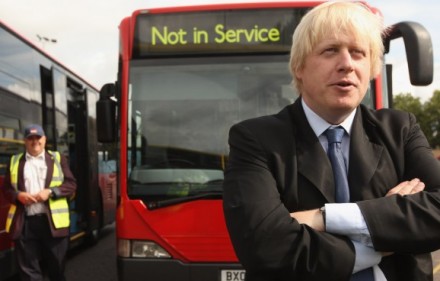
A twit and a diesel-burning bus

But paying people to change cars seems a bloody stupid way of dealing with the pollution problem. Surely the problem is that people still insist on driving fossil-fuel burning vehicles in a crowded city? Why on earth they keep doing this is utterly beyond me. Even I, a confirmed petrolhead, would rather sit on a bus than travel around London in a car. City driving is to motoring what wasps are to a picnic. Horrible. The car is meant to be about freedom, not being endlessly stuck in traffic.

But, while my anger at scrappage schemes remains unabated, I will take time to doff my cap to Rudolf Diesel’s compression-ignition engines. The theory was great, but sadly diesel’s time has come to an end. I guess the next question is, will petrol follow suit?