Reliant cherry popped

Yesterday was a very important day for me. I popped my Reliant three-wheeler cherry! And how.

Thanks to Joe Mason at Reliant Spares, I finally experienced the slightly-unbalanced world of plastic Staffordshire motor cars. I enjoyed the experience very much indeed.

Regal three-wheeler

Perhaps Del Boy chose well...

We began with a Reliant Regal. Makes sense. This car was an enormous leap forward for Reliant, with pretty Ogle-designed plastic bodywork and Reliant’s own four-cylinder, all-alloy engine. The engine was necessary so that Reliant could finally move on from using licence-built Austin Seven side-valve units. Knowing that low weight was essential, the company bravely decided to opt for an all-alloy construction – very brave at a time when most other British car manufacturers were nervous about using even just an aluminium cylinder head.

What struck me about the Regal was how iffy the build quality was – the doors banged on every bump – but also how perky and stable it was. With such light weight, power just isn’t necessary. It was also very noisy – the result of the engine effectively sitting in the cabin. The rear-ward mounting of the engine is one thing that helps keep the car stable.

We then moved up to a Robin, which felt very different indeed. Quality was definitely improved and the tiny steering wheel made it feel somewhat like a dodgem. It was much quicker too and thankfully also quieter. I was entirely charmed. Within a mile, you forget that you’re in a ‘different’ car, well apart from the expressions on the faces of people coming the other way. You don’t have to constantly worry that the car might fall over though. They really are stable and capable of cornering much more quickly than you expect.

The only problem seems to be that Reliants aren’t cheap anymore. I should have bought one years ago!

An Oxford Six nearly kills me

To be a classic motoring journalist, you need driving skills like no-one else. You must be able to jump from one classic to the next and quickly adjust – well, you can’t go around pranging people’s lovely classics because you didn’t know where the brake was.

Ergonomics were yet to be discovered even as late as the 1950s. Take a Citroen DS, Ford Zodiac Mk2, Daimler Conquest and Austin Westminster A90 for example. All were in production in 1956 and the differences are staggering. Sure, the DS was quite unlike anything else at all, but let’s focus for the time being on gearchanges.

DS semi-automatic

Baffling controls an everyday challenge for the motoring journalist

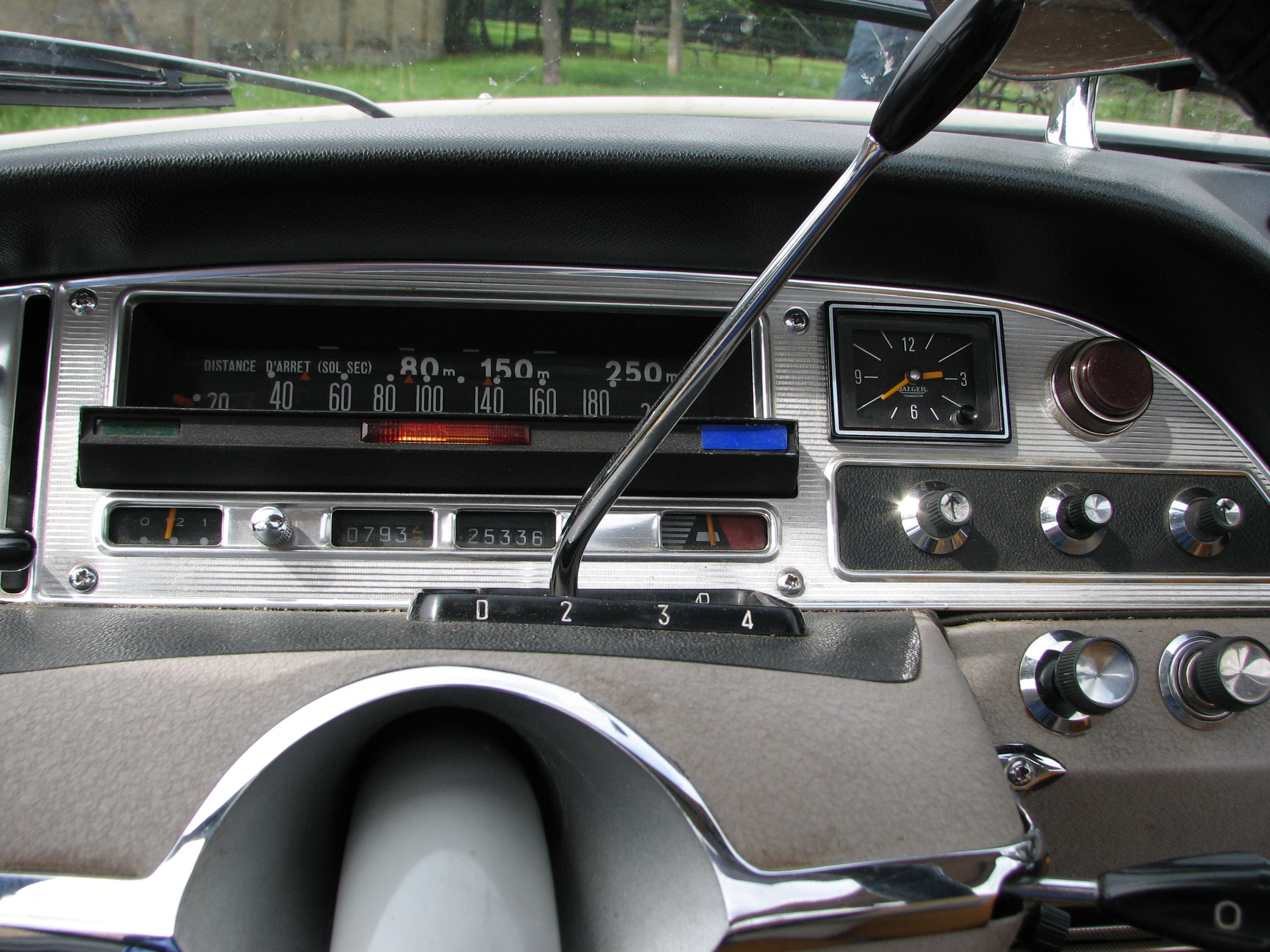
On the DS, you move a small arm that sprouts from the top of the steering column in its own quadrant. The car looks after the gearchange and clutch operation for you – you just tell it what gear to be in. The Daimler uses a pre-select gearbox, so while there is a ‘clutch’ pedal, you don’t use it as one. To move away, just select first and raise the revs – the fluid flywheel transmit the power. Select  the next gear using the column change and operate the pedal when you want it to engage.

In theory, the Ford and Austin are much closer. Both have a column gearchange to a conventional gearbox – the Ford packs three cogs while the Austin manages four. But consider how you select first. On the Ford, you push the lever away and down, the Austin away and up. Second? Towards and up on the Zodiac, but straight down from first on the Westie.

It’s learning to adjust to these differences that enables us to do our jobs quickly and without breaking stuff. Yet there’s always one that nearly catches you out.

Austin Sevens I always find hard work. The clutch is a button with about an inch of travel, the steering is exceedingly vague and the brakes – especially on earlier uncoupled versions – are horrifically poor. I always return with a smile on my face though, even when one recalcitrant Ruby conked out on my test drive and only came back to life after vigorous hand-cranking. A journey in a Seven is never dull.

But it was a Morris Oxford Six, dating from 1933, in which I almost came a cropper.

1933 Morris Oxford Six

This 1933 Morris Oxford Six proved a challenge! A beautiful car however

For a start, the pedals are in the ‘wrong’ order. The throttle is in the middle, the brake where the throttle would normally be. The gearbox thankfully had synchromesh – I had driven an earlier Oxford without it and found coming down the gearbox a real challenge. What I didn’t know is that it had a freewheel! You can picture the scene as I come down a hill towards a red traffic light. I’m already focussing my mind on the pedals, so I don’t accidentally accelerate. My foot is right down and not a lot is happening  – brakes weren’t very good in the 1930s. To make matters worse, there is no engine braking as the car is now freewheeling down the hill!

My heart was truly in my mouth as I sailed just past the stop line. I’m very glad brakes have improved since then! While it may have scared me, it was a beautiful car. It had a top speed of barely 60 miles an hour, but sounded absolutely beautiful. While it came close to killing me, I still did rather like it!

Van Damned

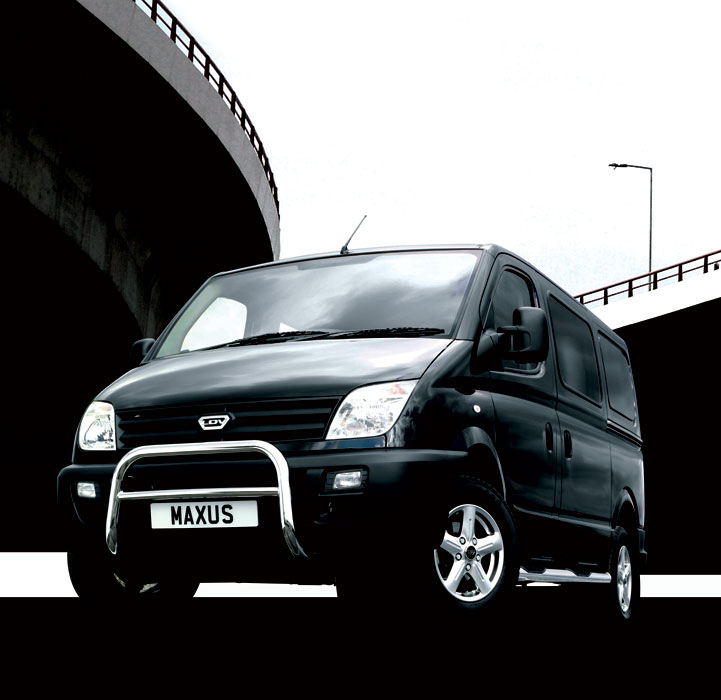
A press shot of an LDV Maxus because Ian's own shots are rubbish

Just closing the door told me all I needed to know about the potential of this machine. The clang instantly told me that yes, this vehicle was a pared down Korean design, nailed together using the thinnest metal possible in Washwood Heath, Birmingham.

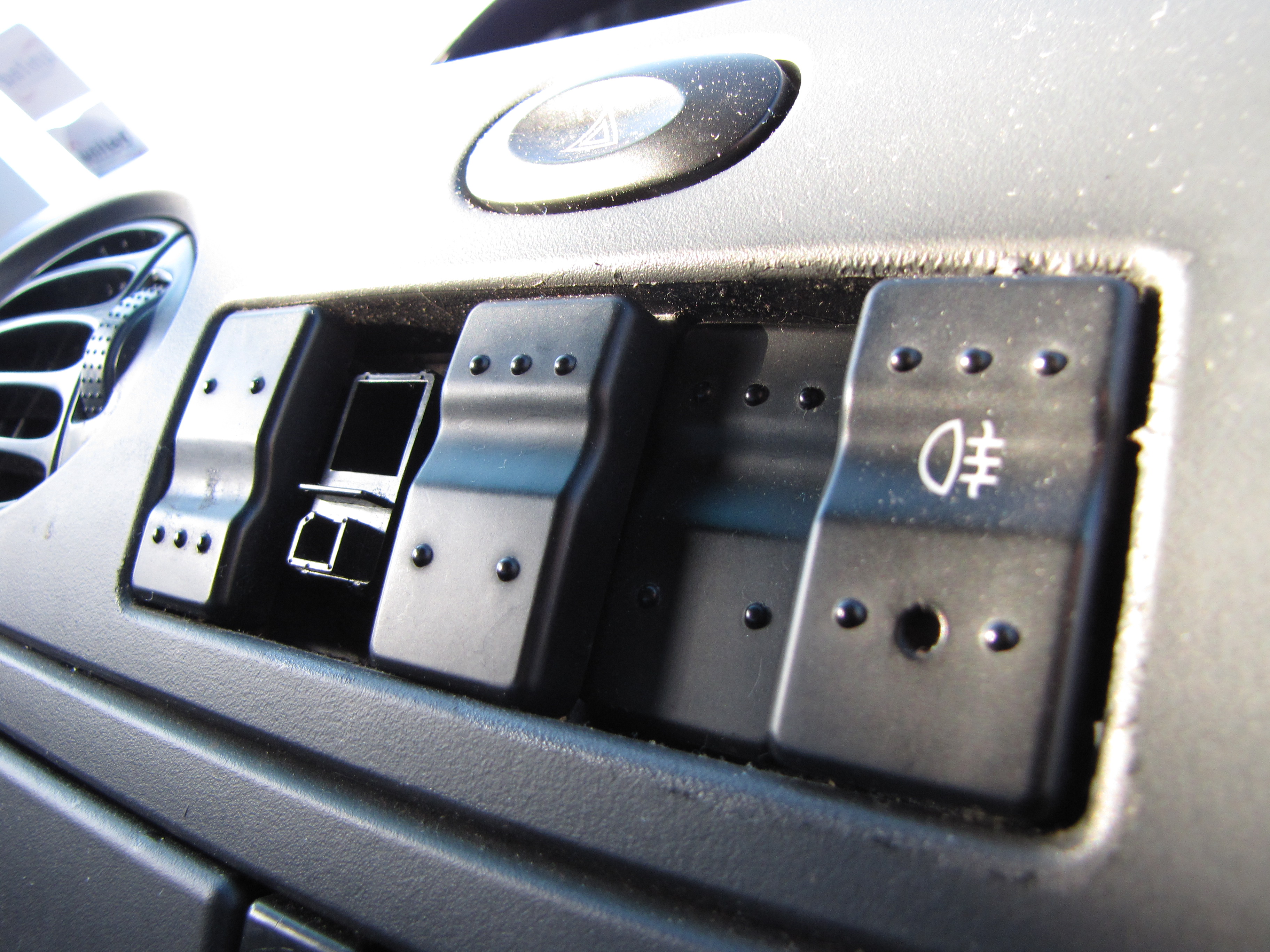
The dashboard, with its many missing blanking plates ticked boxes in my head. Those boxes were cheap, nasty and beyond-basic. After being warned not to lean too hard on panels for fear of denting them, I was nervous as I reversed my steed out of a tight space, not helped by the warning that I should avoid using too much strength when changing gear for fear of ripping the delicate linkage apart. Well, yes, that might be nice but this gearchange has all the smoothness and ease of progress as that of an Austin-Healey 3000. At least I didn’t have to use two hands.

It didn’t seem a very good van, but then I guess it didn’t need to be. After all, in 2004, this model replaced both the Pilot and Convoy. The Convoy was a derivation and enlargement of the basic Sherpa theme, launched in the early 1980s as the Freight-Rover 300. The Pilot was effectively a Sherpa, first launched in 1974. The cutting edge these vehicles were not, despite a sporty engine line-up that included the MGB engine (Sherpa) and Rover’s V8 (optional on the 300).

I once owned a Leyland-Daf 400 (a tidied up 300) Beavertail, with the Peugeot turbo diesel engine, and it was a fine old beast – slogging on despite the exhaust falling off and a geyser-like oil leak. It didn’t have power steering, so was rather hard work, but you didn’t mind, as sticking to 70mph seemed like rather hard work for the poor truck. A few years later, I drove a Convoy (a tidied up 400 but with an even cheaper interior and a Transit engine) and it was dreadful, with such wear in the kingpins (yes, a vehicle built after 2000 with kingpins) that the steering wheel threatened to give me vibration white finger.

I digress. The point is, the Maxus didn’t have to be good. The thing is though, I was fast discovering that this failed Daewoo (well, technically, Daewoo failed the Maxus by going into receivership – the joint project with LDV was taken over fully by the British firm) was actually not a bad old thing. The Italian VM engine produced a wonderful wall of low-down torque that made acquiring a naughty amount of speed almost Merc Sprinter easy. It handled too, thanks to front-wheel drive.

Switchgear leaves a lot to be desired

I wasn’t the only one impressed either. The Maxus really didn’t sell too badly at all, with Royal Mail buying up hundreds of them. It even won awards! Sadly, it wasn’t enough for LDV, a troubled company dogged by funding issues from the very first Sherpa. In 2009, administration beckoned, though it’s likely that the Maxus will be reborn in China. Can then make it even more tinny?

Back to the drive. A 200 mile trip from Wales to Cambridgeshire to collect the last of our belongings beckoned. Yet, it was remarkably pleasurable. At motorway speeds, the van tears along quite happily. You might even call it refined. At least you don’t have to change gear much on motorways, so that’s one weakness temporarily banished from my mind.

Loaded up for the return trip the following day, the gutsy engine barely noticed the payload. Even in the ‘mild’ 95bhp form here, there’s a stonking 250Nm of torque available at a mere 2000rpm. Handling was still assured and I had to be careful not to destroy a completely unnecessary amount of flowerpots through the bends.

You know what? I was actually a bit sad to take the van back to the rental centre after our 400 miles together. It was very capable, sipped fuel like a child sipping mummy’s wine and despite a rather bland appearance, I think it actually had some character.

And that ties it in with all the other commercial vehicle products of Washwood Heath, Birmingham. It could very easily be argued that this factory didn’t build one good one. Yet there’s a willingness to deliver that shines through, just as the monotonous accent hides the willingness of Birmingham itself to please.

Victor Victor!

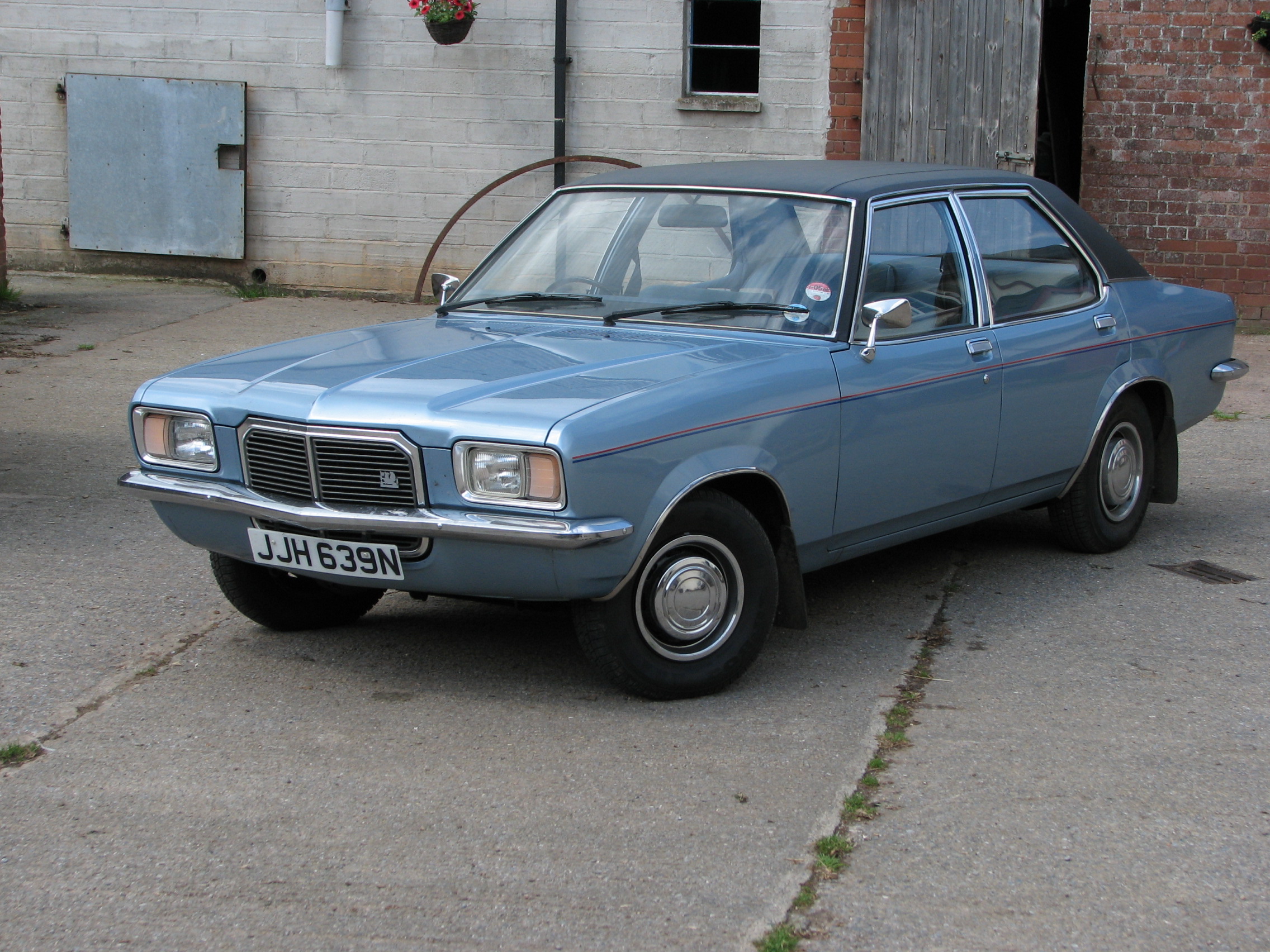
The Vauxhall Victor FE. A bit like a weak cup of tea

The Vauxhall Victor FE represents the last slice of hope for Vauxhall as an independent entity within General Motors. Sure, the basic structure was shared with the Opel Rekord, but Vauxhall still had an opportunity to style its own nose and use its own running gear.

Sadly, the nose they chose was frankly, a bit hideous – rescued only by the quad-lamp attractiveness of the hotter VX4/90. Sales were not a huge success – even when the ageing victor name was tossed aside for the much more exciting VX1800 and VX2300 – and it proved the final nail in the coffin of Vauxhall’s independence. Well, unless you include the Chevette, which was just an Opel Kadett with an ancient Viva engine stuffed in.

Compared to other European express arrivals during the 1970s, such as the formidable Citroën CX, Lancia’s wacky Gamma, Rover’s SD1, Ford’s Granada and the futuristic Princess, the Victor really did look a bit lame and very much of another, older era.

Still, an opportunity to take a 1975 Victor 2300S on a trip to Devon was not to be missed, especially when said car belonged to Vauxhall itself – part of the impressive Heritage Collection housed in Luton. Sadly, by this stage, the overdrive option had been removed. Did Vauxhall up the gearing to compensate? Well, no. They didn’t really.

But we jump ahead of ourselves. The Victor is sitting all shiny and beautiful on my driveway – let’s take a closer look.

With only 12,000 miles on the clock, it’s every bit as immaculate and tidy as you’d expect. Already, fear was starting to mount. I lived in East Anglia at the time and had to drive this beautiful machine to Devon and back – a round trip of some 500 miles. I may have said ‘eep’ when this struck my mind.

The metallic blue paintwork is rather fetching, allowing the eye to almost ignore the slab-like snout and rather feeble grille. Stepping inside was a wise move, with delightful seats finished in that fake cloth that was everywhere during the Seventies. Finished in blue, the seat trim is matched by blue wooly carpet smeared all over the centre console, why a slab of fablon fake-wood stretches across the dashboard.

At rest in Devon, during a 500 mile roadtrip

There’s plenty of space, front and rear, and the driver sits low, which gives a surprisingly sporty feel. Mind you, this is a 2300S which means there are twin-carburettors bolted to that familiar 2247cc four-cylinder engine. This unit is a touch raucous perhaps, but has oodles of grunt, making progress rather effortless. All of which shows up the low gearing even more alarmingly. Motorway progress is hard work, because the engine is spinning so frequently that any attempt at relaxation is met with the same success as trying to sleep upon a washing machine.

Head off the motorway, and things improve. The rack-and-pinion steering was not shared with the Rekord and is light and accurate, if a touch devoid of feel. The suspension is soft though, and this car doesn’t really beg you to enjoy the corners, rather it just eases you through them. The low gearing is a positive boon on twisty roads as due to the torquey engine, downchanges are rarely required. That’s a good thing as the long lever, angled towards the driver, is not particularly pleasant to use.

Yet the car made the 500 mile journey without issue and certainly without causing its driver to break out in a sweat. Ventilation is good and the weather was horrible – mind you, this was British summertime.

Overall then, this is a car that doesn’t excite, but at the same time is a very acceptable way to travel. It certainly doesn’t disgrace itself, but nor does it make the driver eager to head back outside for another drive once the destination has been reached. In other words, it’s like a cup of weak tea – does the job, but rather forgettable and a little disappointing.



All aboard!

Daimler Fleetline ex-Swindon

A bus that I have driven. Not the first.

I’d hate for you to think that this Blog is dedicated to classic cars. My love of older vehicles runs far deeper than that.

For instance, I have driven the ex-Swindon Leyland Fleetline (following Daimler’s absorption into British Leyland) owned by renowned classic car writer Nick Larkin and pictured above..

I grew up in Birmingham, where Daimler Fleetlines and the later Leyland Atlanteans were an everyday part of my childhood. Their thundering Gardner 6LXB engines, the wonderful epicyclic gearchange and the crash of panels and cash machine every time they went over a bump were all experiences to savour. When these buses began to be replaced by MCW Metrobuses, the young Ian became frustrated – the driver no longer had to change gear!

Thankfully, Nick’s Fleetline retains its semi-automatic transmission, and I was very grateful to get an opportunity to pilot a Fleetline, albeit only around a field. The cabin is rather sparse, but the key instruments fall nicely to hand. A huge throttle pedal controls the rear-mounted engine and once moving, it’s easy to flick the lever into second – easing off the throttle for a smooth change. Power assisted steering makes light work of the bulk, and the turning circle is impressive given the length.

Air brakes need a delicate shove to bring things to a halt, but I thoroughly enjoyed the experience. Given that the bus is over 30 years old, and therefore can be driven on a car licence, I could have carried out a full road test – but I’m not sure Nick would have appreciated that…

Imp-ressive!

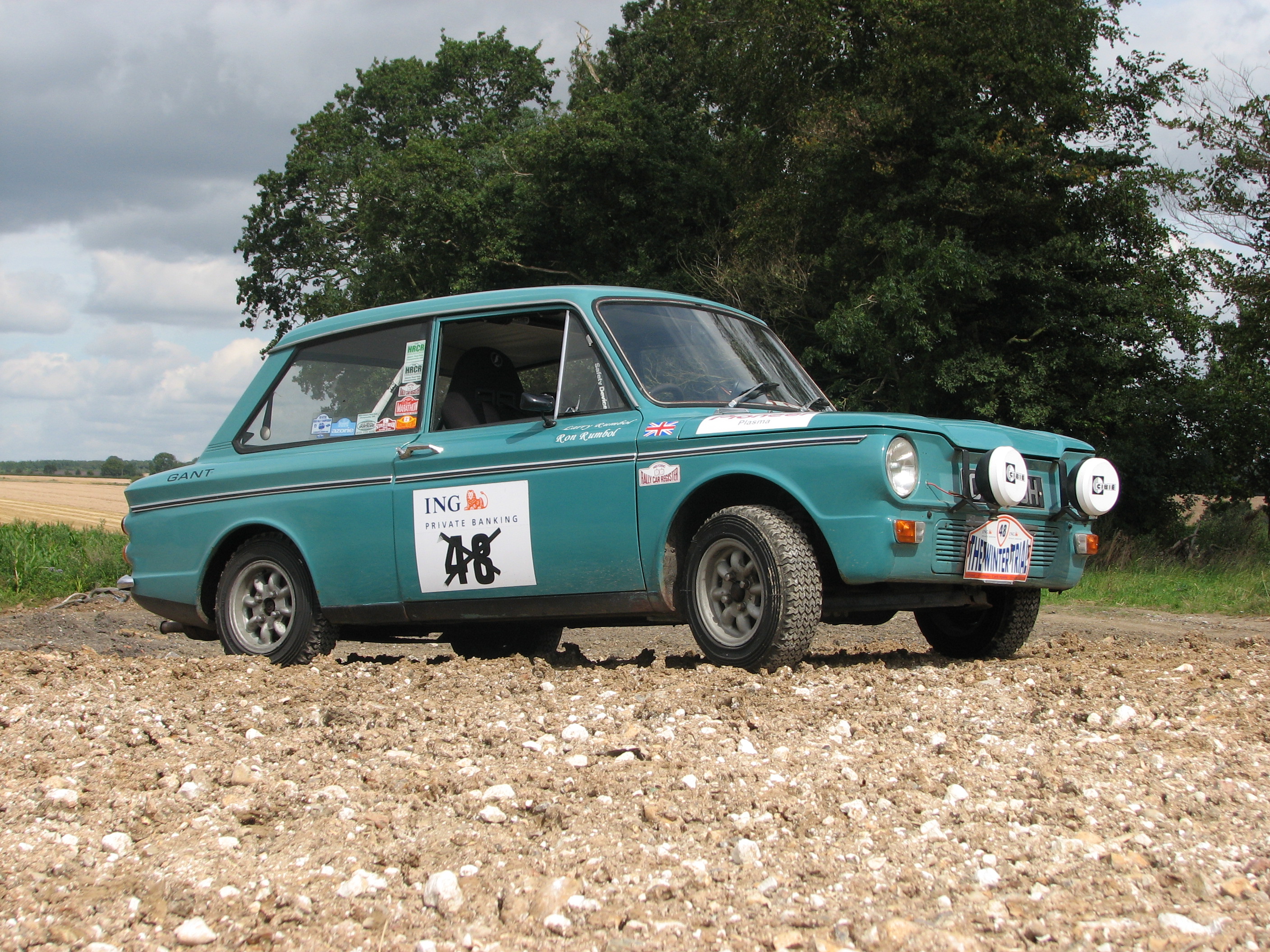
Ian reveals the Imp that won him over

Sometimes, you leap behind the wheel of a classic and quickly search for the door handle, wanting to escape as quickly as possible. Some classics are really not that pleasant to drive. Others take time to win you over – you need to travel at least 100 miles in most Citroëns before you get ‘it.’

The Imp was one of those classics that had me falling head over heels in love. Yes, I liked the Porsche 928 a great deal, and a day spent with a TVR Chimaera was utterly joyous, but then you expect a sports car to deliver. The downside is that they often have far too much power to use on the road – a 440bhp Lola T70 replica I once drove in the depths of winter was absolutely terrifying. And cold as it didn’t have a roof…

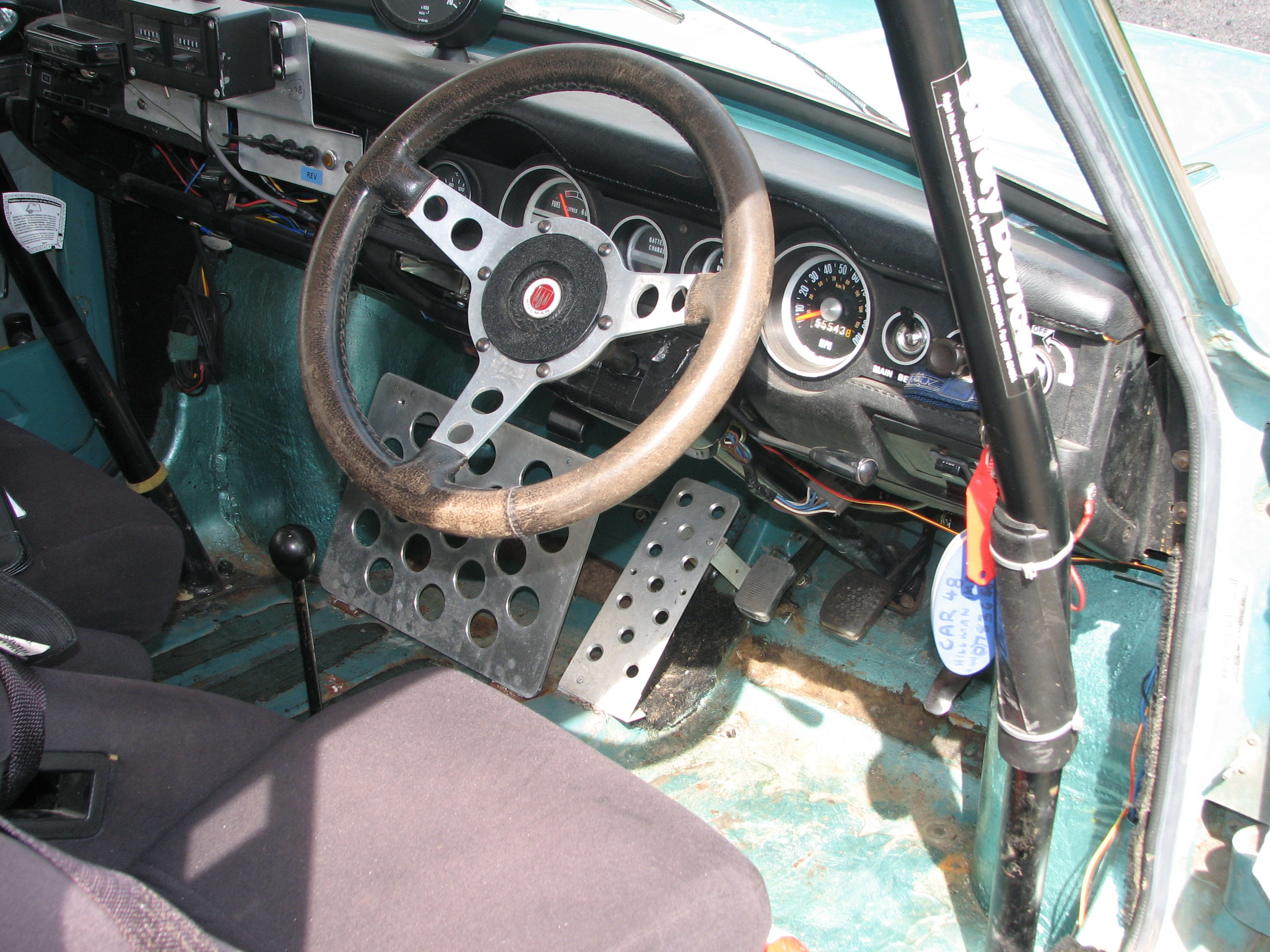
Where the Imp really delivered is that despite only a short time behind its tiny steering wheel, I could explore the perky engine on the public highway without risking the wrath of PC Plod. Sure, it had considerably more than a standard Imp, but we’re talking of only 39bhp to start with. Exact figures for this ‘hot’ Imp were not available, but I’d estimate it was somewhere around the 55bhp of the sporty Stiletto sibling. With my foot right down, the Coventry-Climax-inspired engine barked its desire to the world as we hurtled along – feeling much faster than the speedometer was telling me. Quick, communicative steering left me in no doubt about its cornering ability, and with that engine slung out at the back, once I’d steered into a bend, all I could do was balance the throttle to stop the pendulum effect from hurling me into the weeds.

Being a stripped out rally car, the experience was noisy but thoroughly dramatic, despite the lowly spec. The quick gearchange was a delight and time and again I’d ease off and drop a couple of cogs so I could begin the exciting rush of acceleration all over again. The ride was a revelation however – surprisingly comfortable, despite being firmed up over standard. Thankfully, it had not been lowered too much, in anticipation of forest rally stages.

Too soon, it was time to head back, but the car’s deed was done. I loved it. The Imp may have been something of a failed Mini rival when new, but right now? Sorry Mr Cooper but I’d rather take this cheeky little Imp.

Oil cooler hints at tuned-up engine

Rally spec clear to see here - note passenger foot rest